

3RD JUNE –> 2ND JULY 2026
Camino del Norte what to expect:
A Guide to Walking Spain’s Northern Way
So, this is MY experience of our 29 day / 828km hike along the beautiful Northern Atlantic Coast of Spain from Irun -> Santiago de Compostella!
34 stages of elevation, changing daily, mostly mountainous and coastal farmlands, beautiful white sandy beaches (we jumped in and swam!) and sometimes walking under the cool shade of the Spanish woodlands, along mountain paths, gravel pathways, tarmac roads, motorways and main streets, hiking paths through the woods, it was always different every day with every type of path… we hiked up and down through 6 Provinces:
Guipúzcoa / Vizcaya / Cantabria / Asturias / Lugo / La Coruña
And 4 autonomous communities:
Basque Country / Cantabria / Asturias / Galicia
Passing through 135 towns… with the final approach leading us into Santiago De Compostela and the magical Cathedral and the old town waiting for us and greeting us with an official Pilgrim certificate with our Passports full of 100’s of stamps we picked up at hostels, cafes, hotels, cathedrals, shops and other random places
⁉️ MY BRAIN… 🤔 Which hostel am I staying at & will there be space there? / how many blisters do I have today? / Am I wearing the right socks? / what am I going to eat today and do I have to carry food with me tomorrow? / laundry, is there a place to wash & hang my clothes? Will there be enough pegs? / is the weather going to be good tomorrow? / where am I sleeping tonight!? / Who will I meet today? / Will I get enough quality sleep? / How many KM’s am I walking tomorrow?
—–> THIS is your reality on the Camino, day in day out again and again until you finish…The basics… Basic survival
Every single persons experience on the Camino is absolutely TOTALLY different. We met people speeding through, some had to fly back home due to injuries and they couldnt continue, some walked and then caught trains, buses or taxis to the next stage, some taxi’d their bags ahead of them from hotel to hotel, each and every person has their own story and unique way of walking the Camino, there is no right or wrong
THE ROUTE

Camino Del Norte was the Pilgrimage path we chose as this was meant to be a REALLY pretty and amazingly mountainous and coastal walk with plenty of Spanish sea side towns and rural farm lands further in, it was much harder than the Camino Frances (which I did last year) but having a bit more experience of how the camino works was really good to have as we navigated this one with much more ease
So, before we begin our journey, noting down the full map below and the stages itself
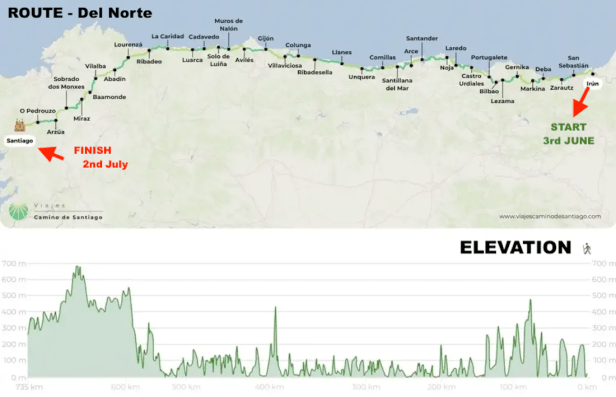
NOTE: There are tried and tested stages which are on all apps and camino maps and they are SUGGESTED only but they have all been planned according to the accommodation and services for pilgrims along the way, so note, if you want to do your own stages (which we did) meaning, not ending the day in the town they suggest, you will need to be prepared with pre-booked accommodation and may have to carry your own food due to lack of services, so just make sure you pre-plan and know where you will be staying (basically)
The Northern Way is much less travelled compared to some of the more popular Caminos (i.e. Camino Frances) so it makes it more expensive and a bit harder to navigate as there are less services along the way, like Albergues (hostels) and Donativos (Hostels where you leave a $ donation of your choice) which means we had to book more expensive accommodations like Hotels & Pensions – also less bars and restaurants due to the lower demands in the smaller towns
What I also loved about the Northern Way is that there were many times you could make a choice to take a different route than the offical route and plan your own way, and usually that path is less traveled
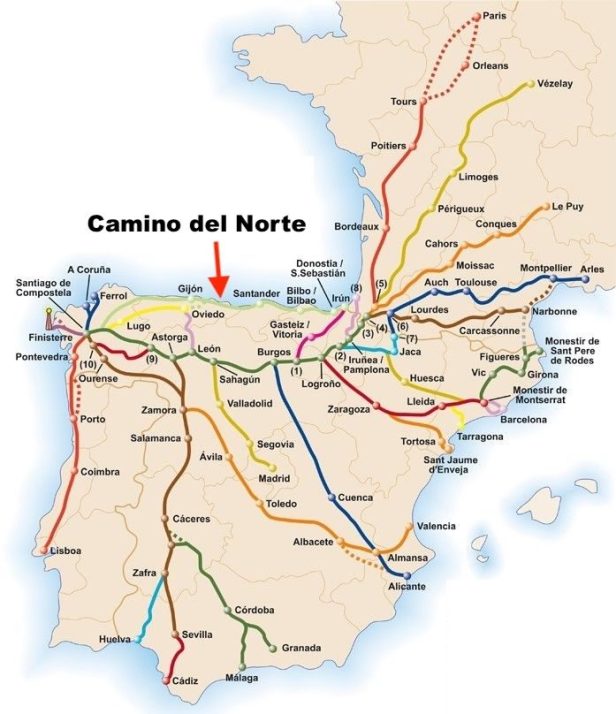
At the last 100km, the Camino Del Norte runs into the more popular Camino Frances and you walk along with MANY more people than when originally started – so dont be shocked when this happens, YOU MUST walk the last 100km to be able to receive your Pilgrim certificate
WEATHER
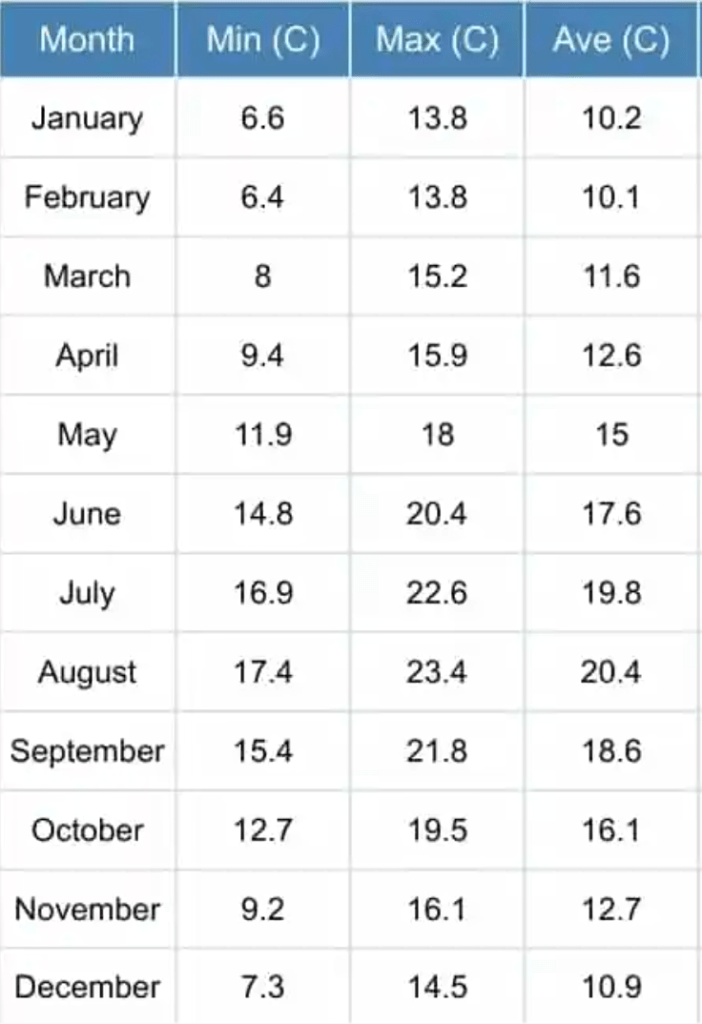
We were there in June and it was perfect weather! We only got 1 full day of rain and the rest was great temp – only 1 day of absolutely hot heat which was very tough to walk in but other than those 2 days it was perfect weather we were so grateful – what type of weather do you like walking in? decide and go with that month (remembering that its Spanish holiday season July and August)
THE CAMINO TRAIL
Below are just some of my collection of random photos from the whole 29 days on the camino to give an overview of what the camino looks / might feel like :
Below are some of the paths we walked daily on the Camino – all different types of tracks including motorway walking alongside cars which felt so dangerous but seems to be accepted in Spain! Went with the flow… we also walked along the beach and got our shoes and socks all wet!
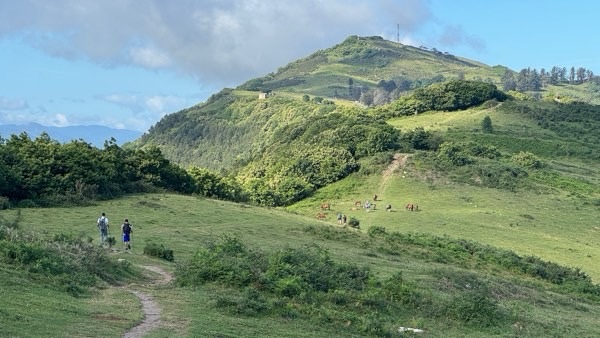
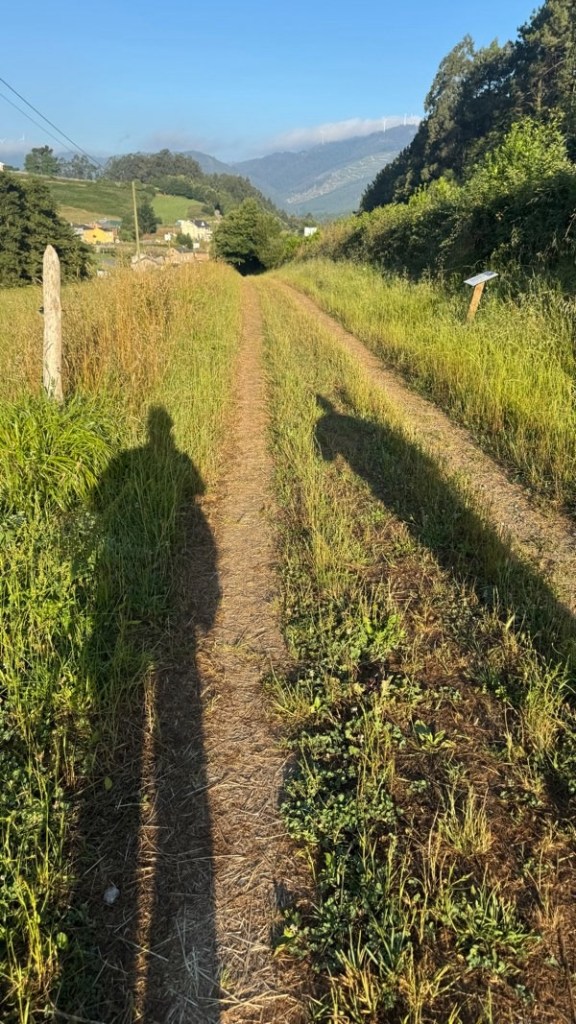
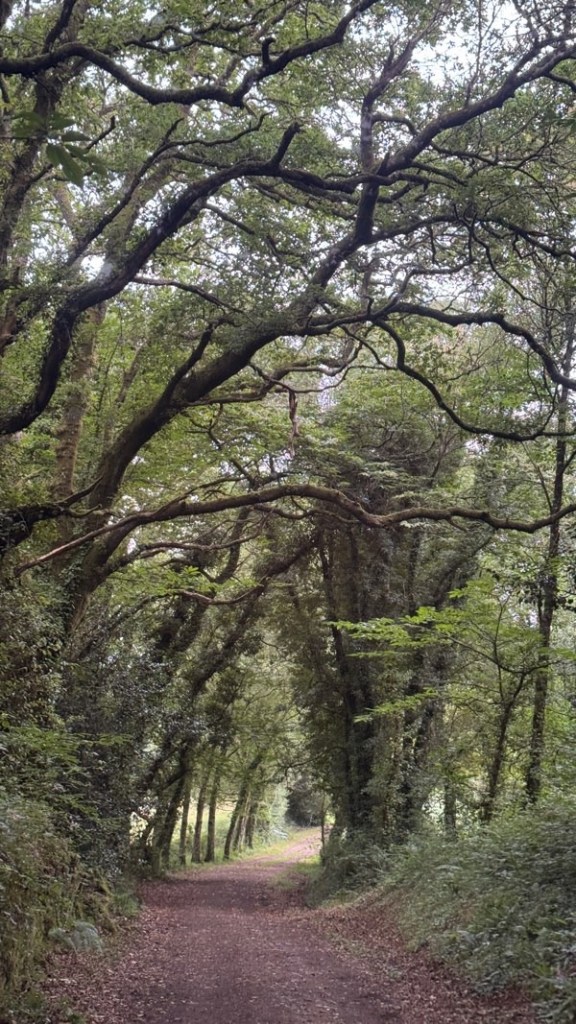
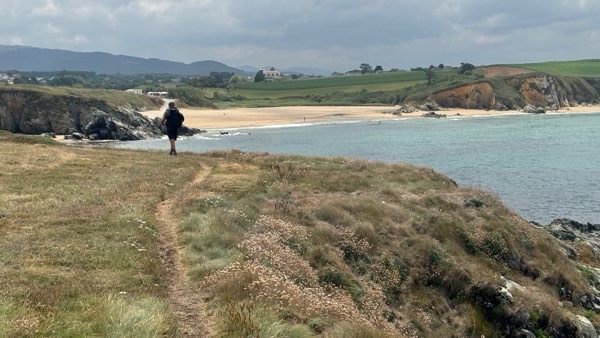
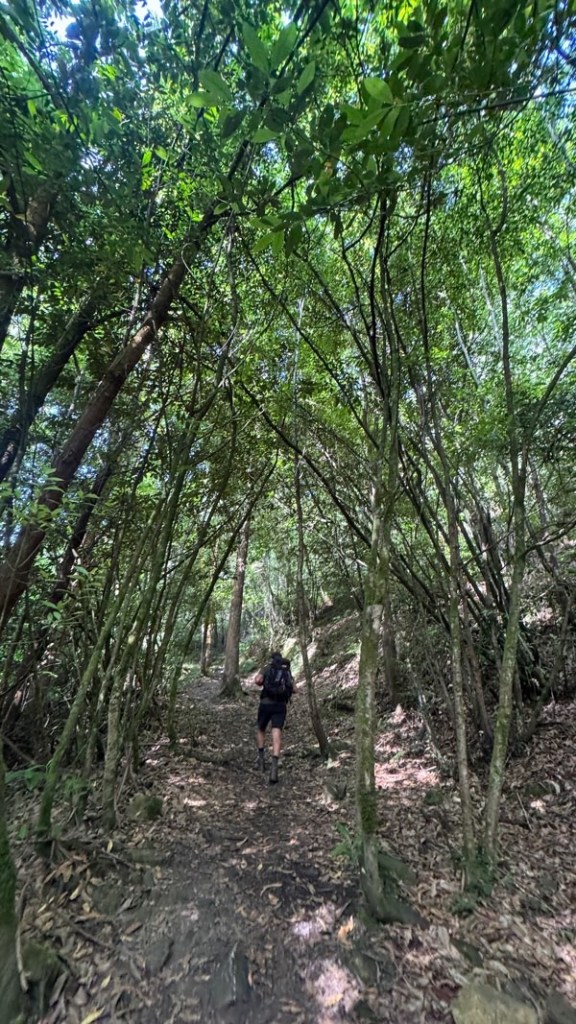

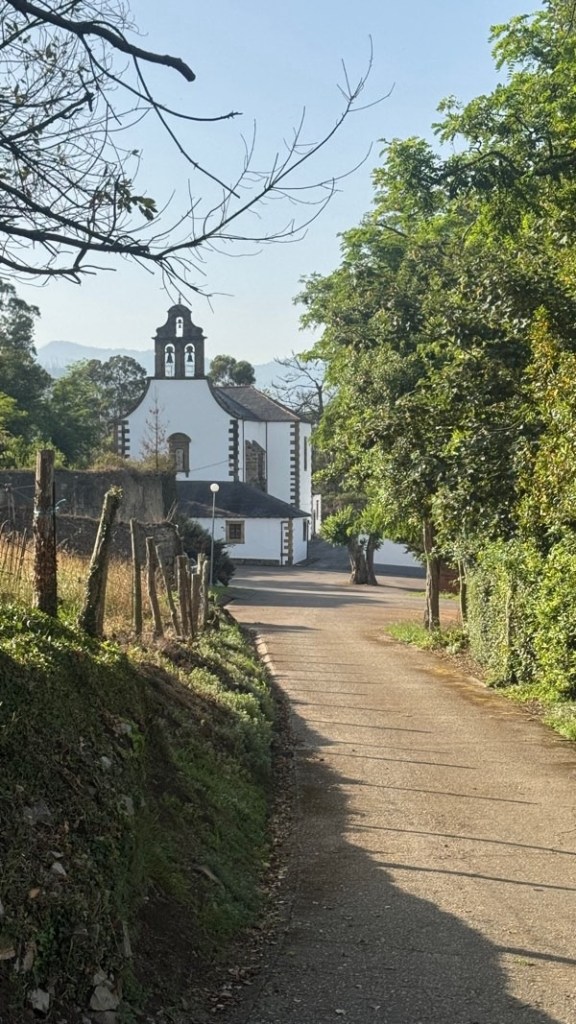
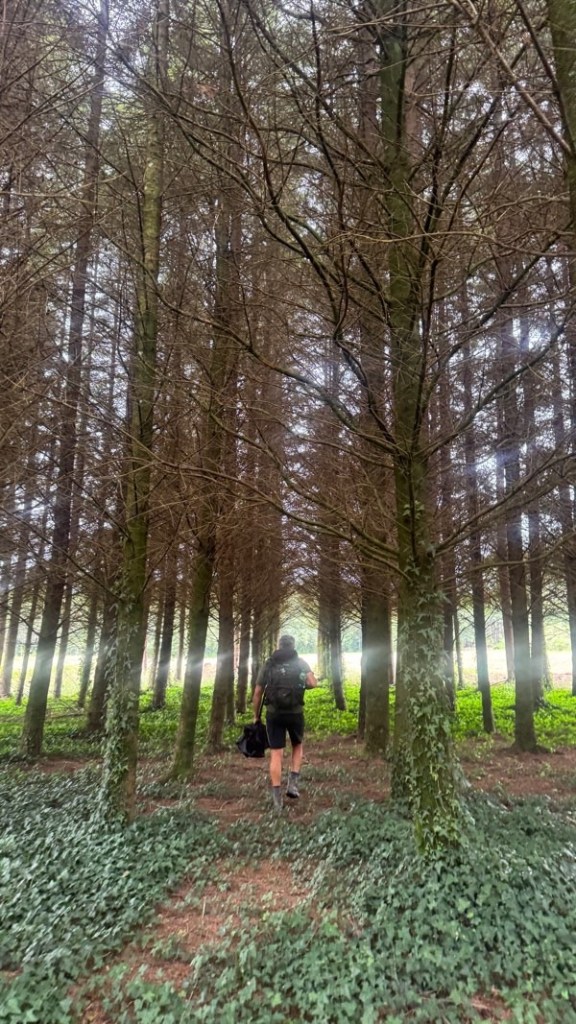
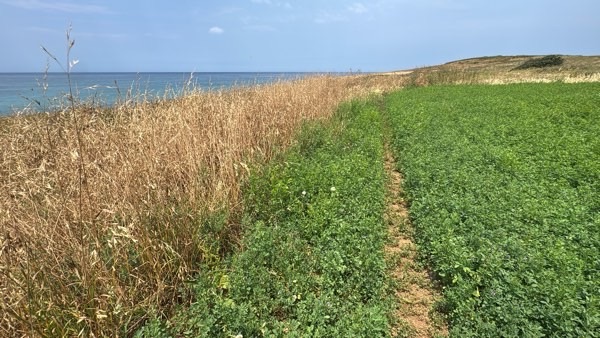
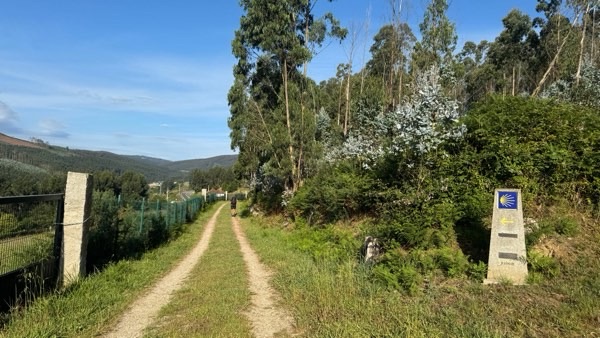
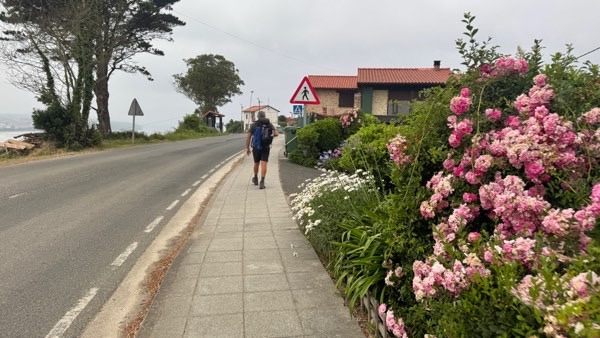
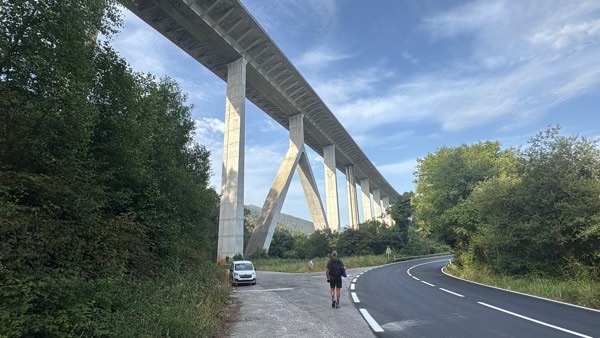
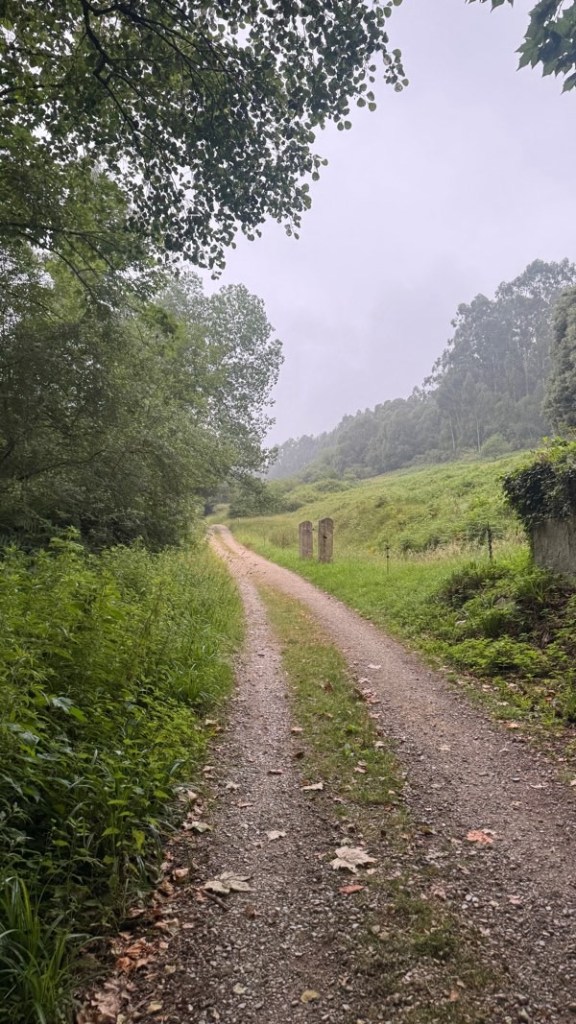
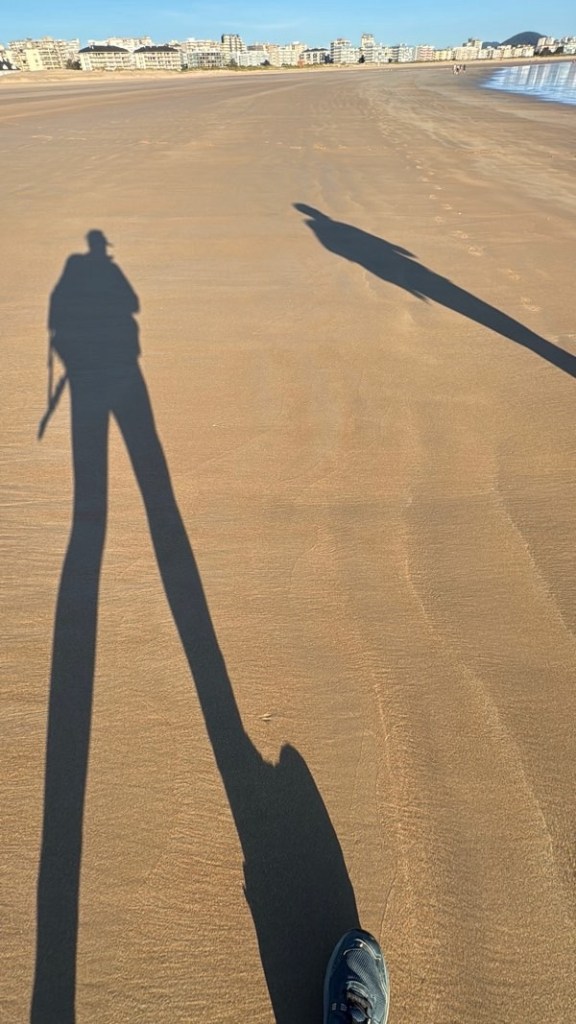
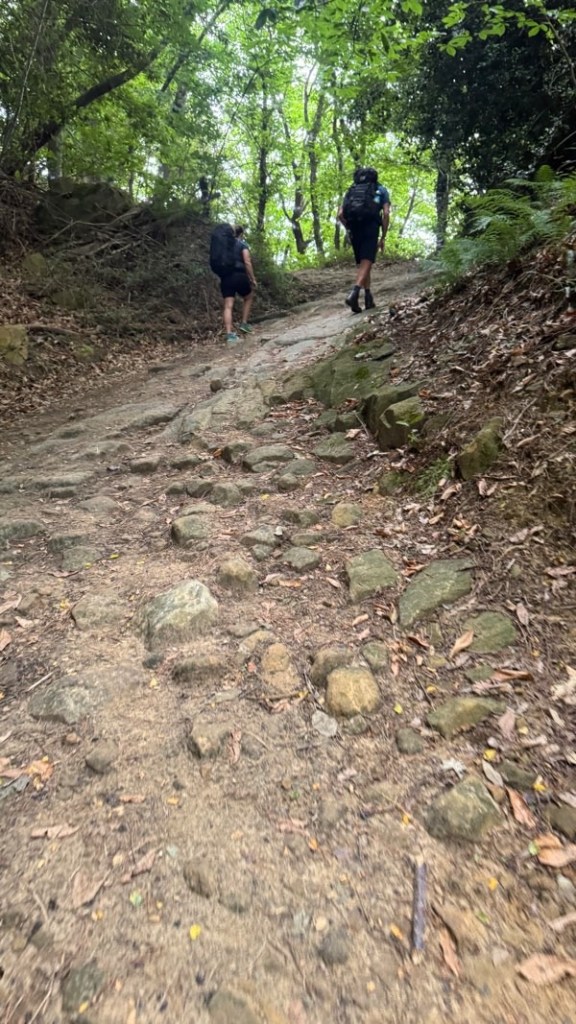
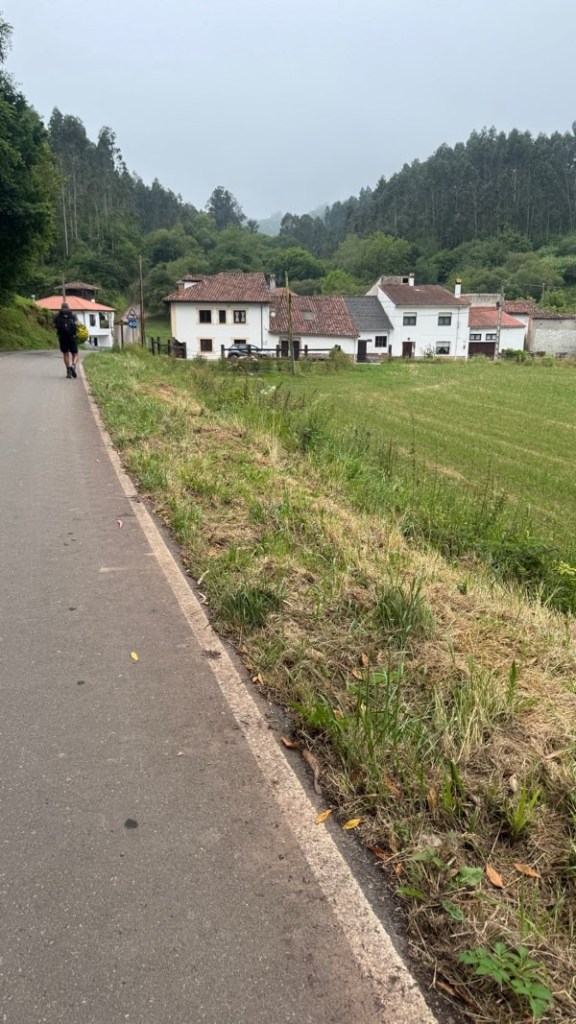
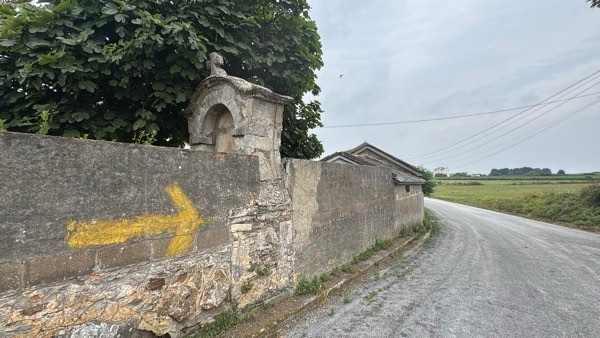
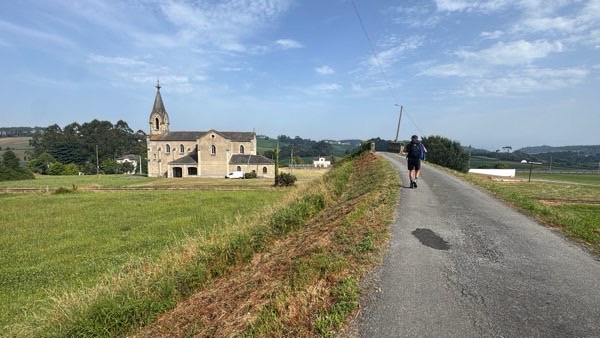
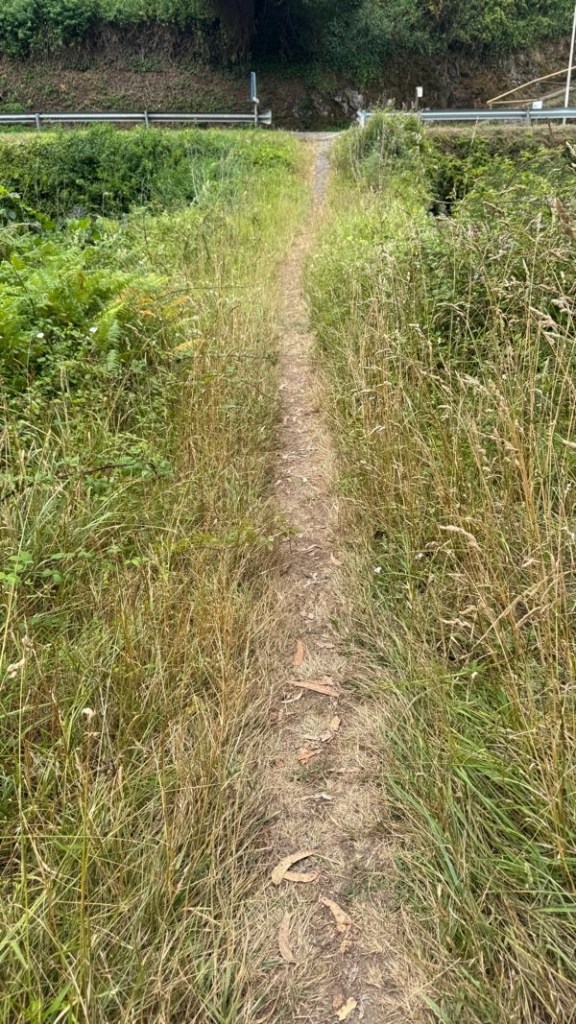
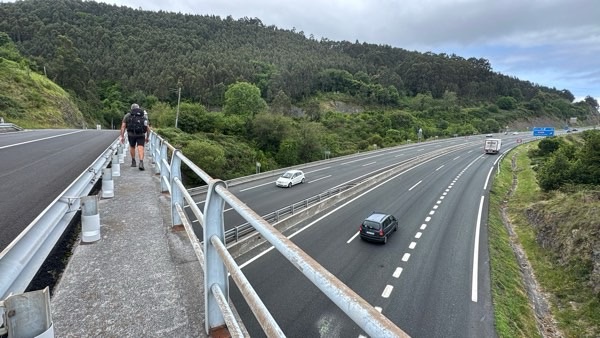
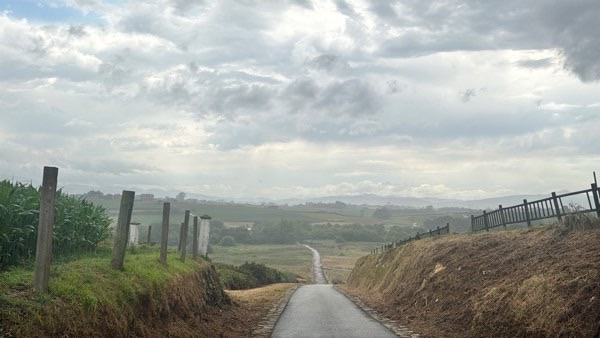
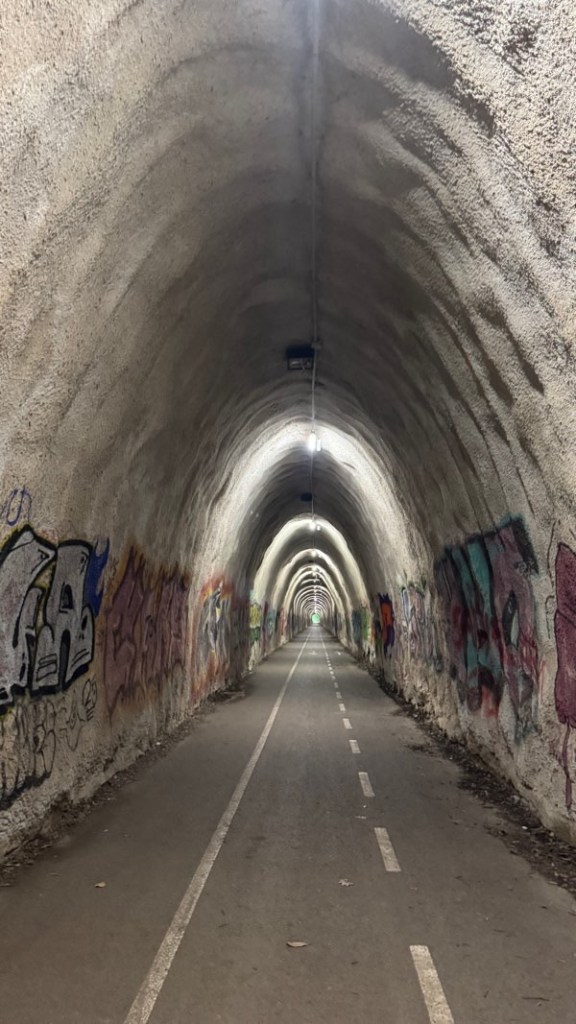

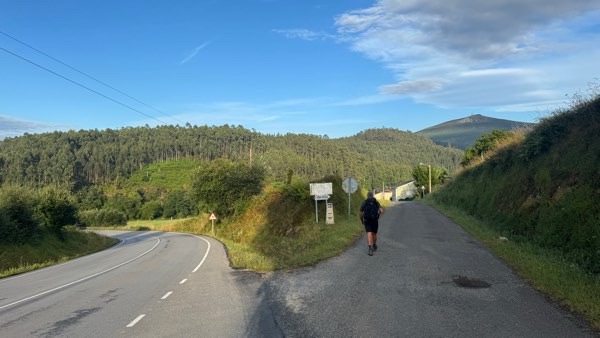
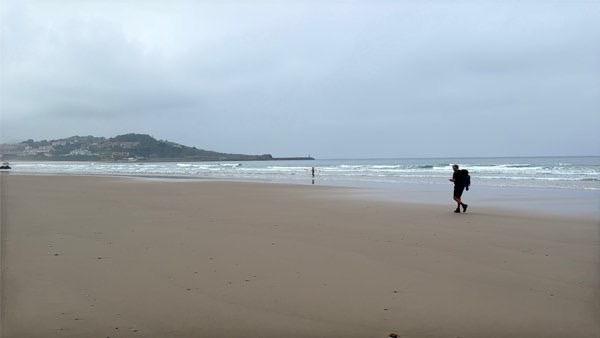
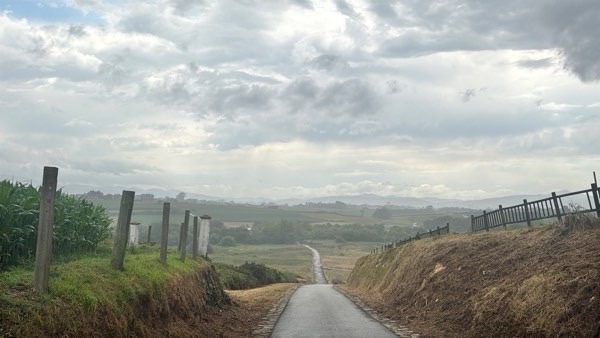
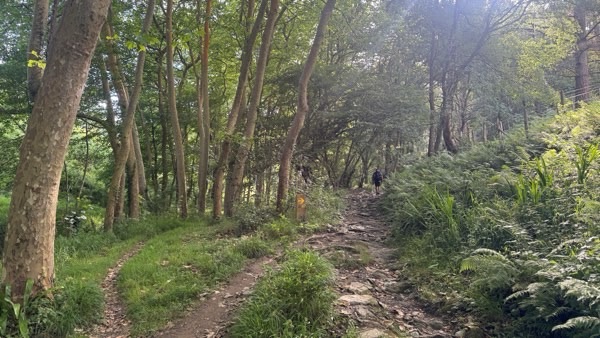
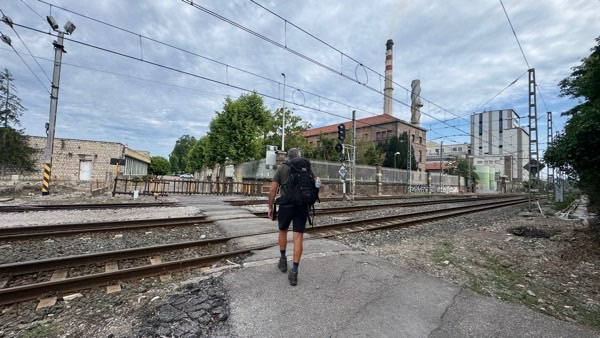
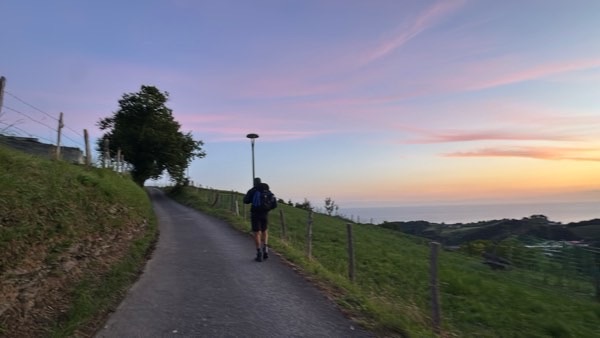
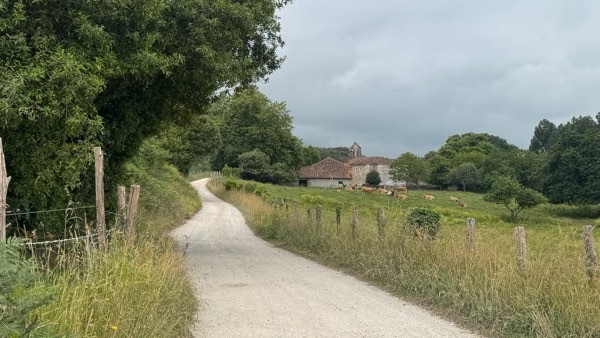
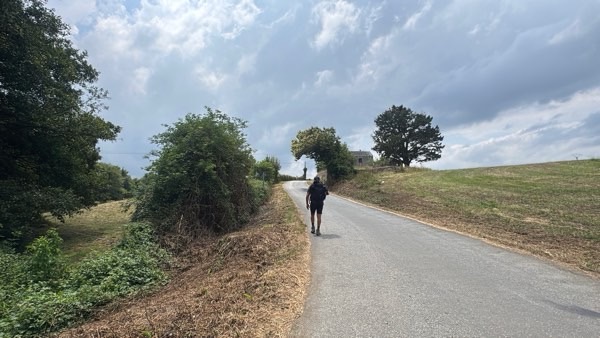
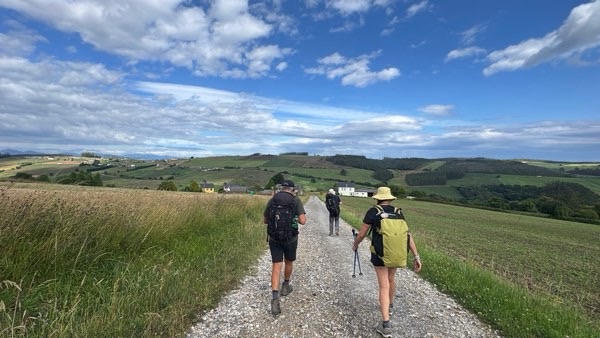

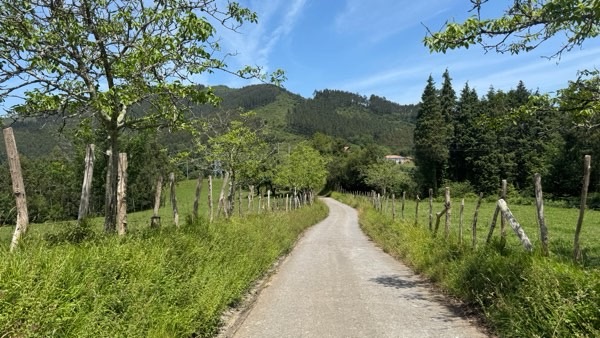
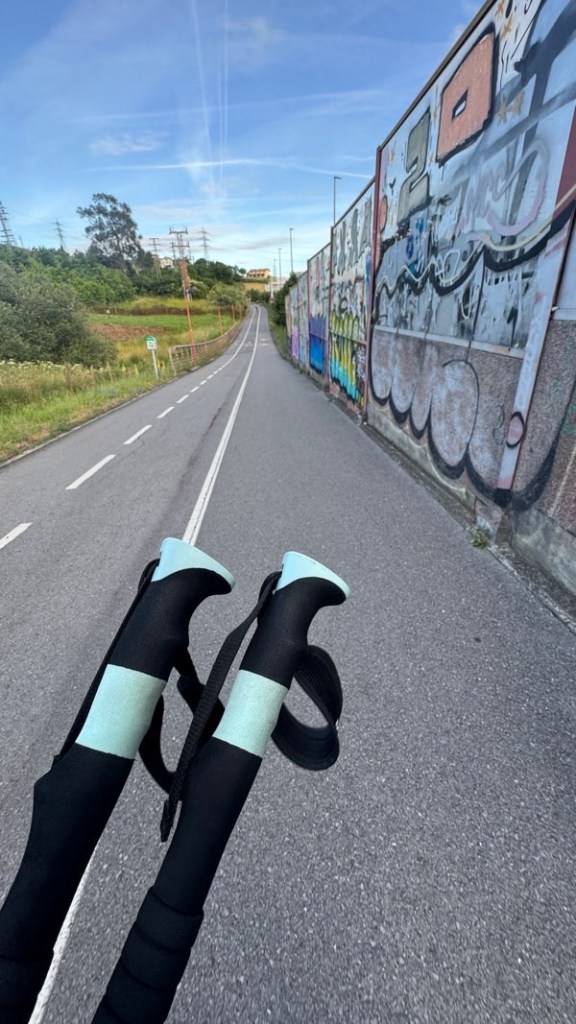
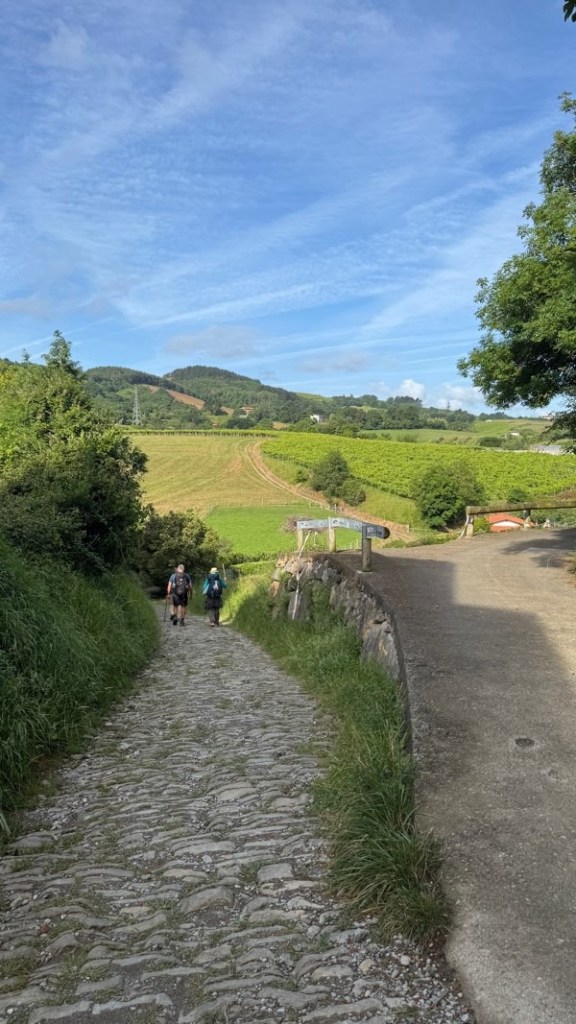
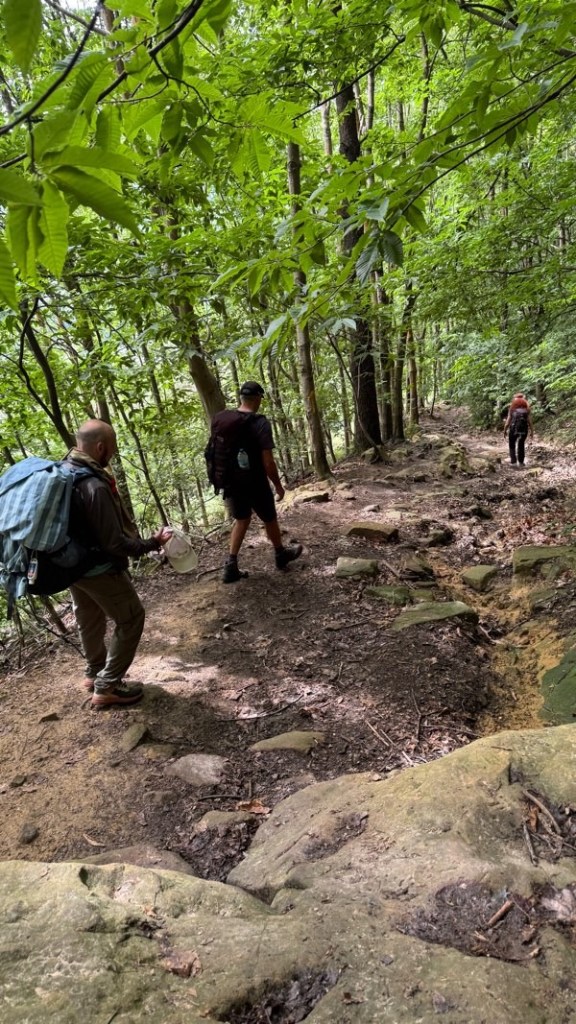

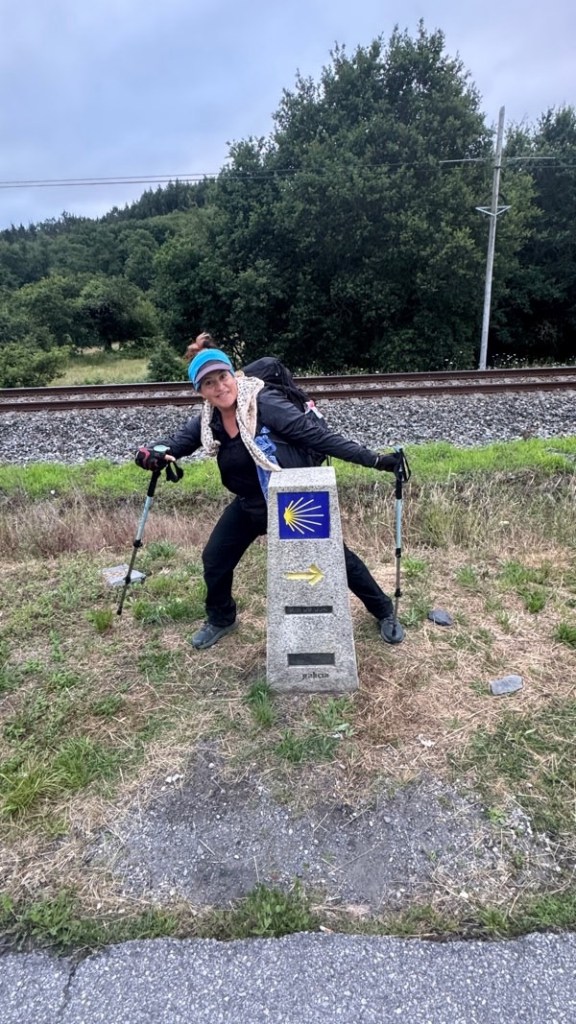
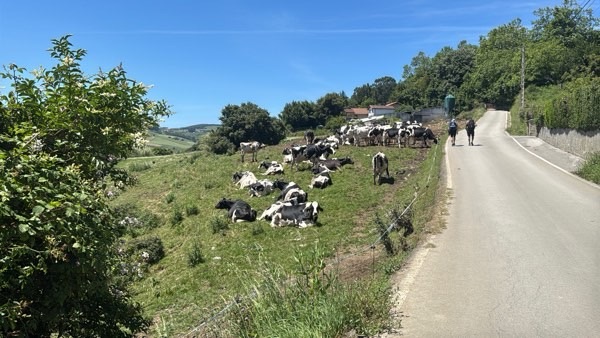
The beauty of the changing scenery was gorgeous and we loved every stage for its own personality and beauty
Animals and picking fruit from trees was a normal thing to do daily and we were so excited to see what new things we would experience that day
THE SCENERY
The types of gorgeous scenery to expect along the way….
The Camino del Norte offers a dramatic, ever-changing landscape that blends the Atlantic Ocean with rugged inland terrain, often described as Spain’s “Green Coast.” Unlike the flat Camino Francés, this route is known for its beautiful rolling hills, steep coastal climbs, and muddy forest paths, and it would be best to work on your physical conditioning before beginning this journey so you can really enjoy it without becoming overwhelmed
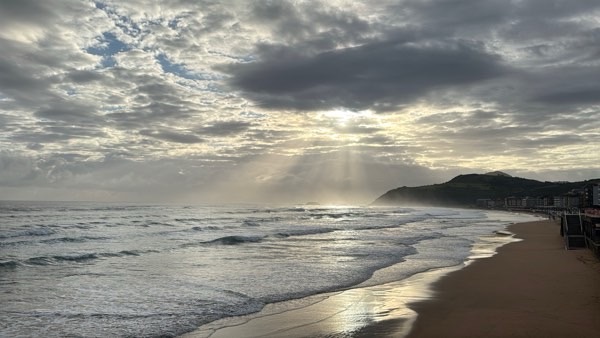
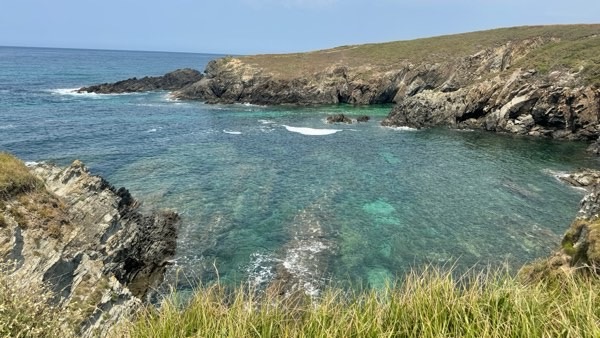
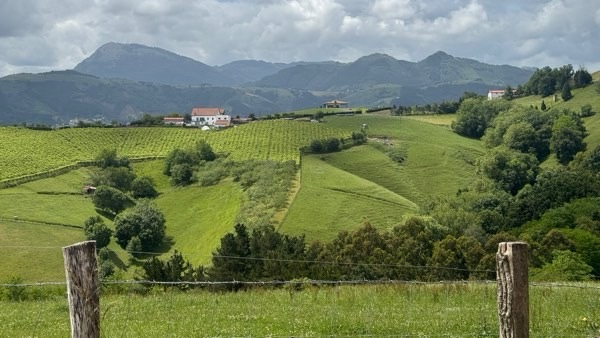
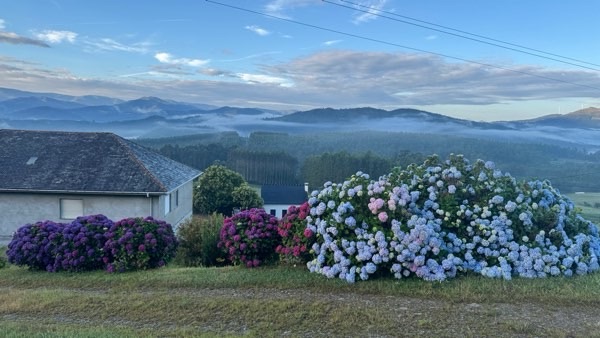
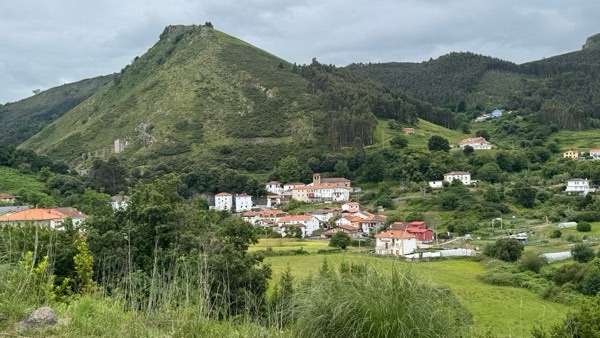
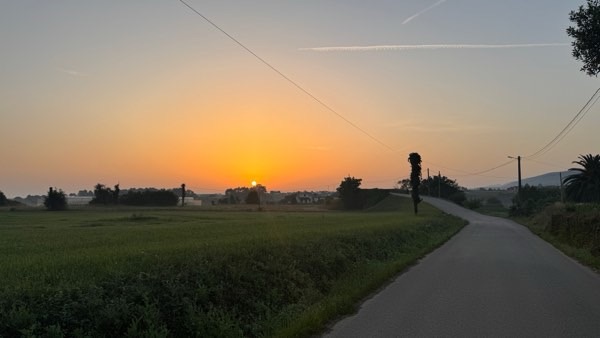
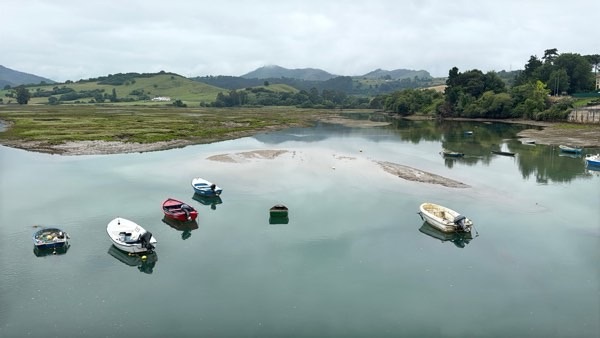

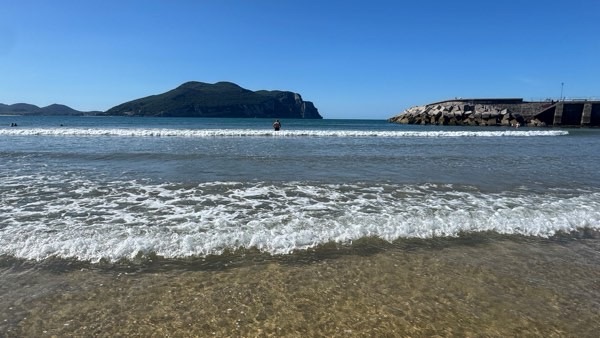
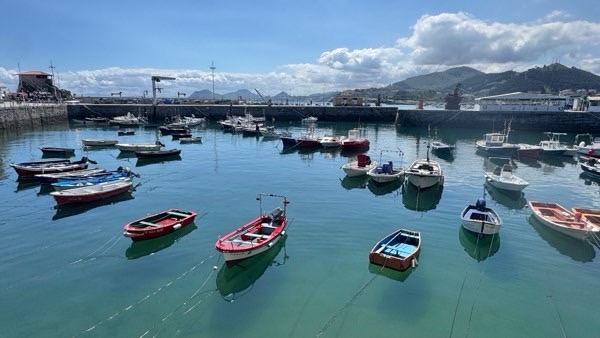
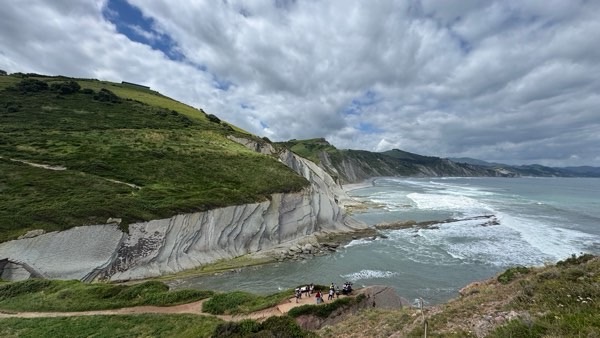
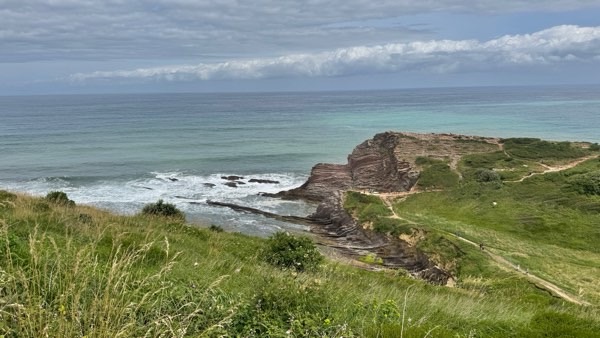
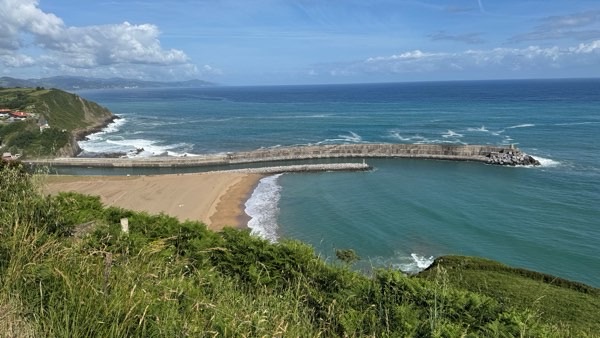
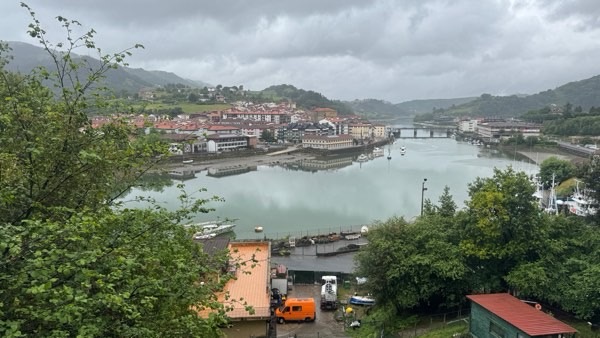
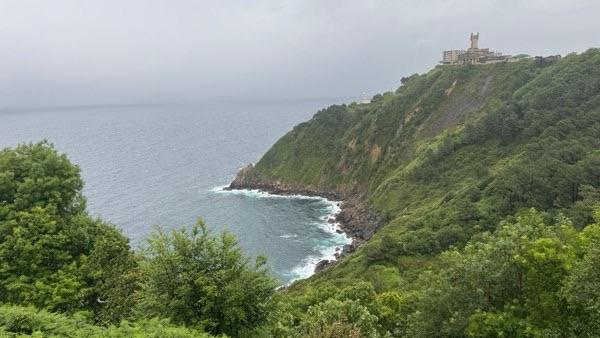
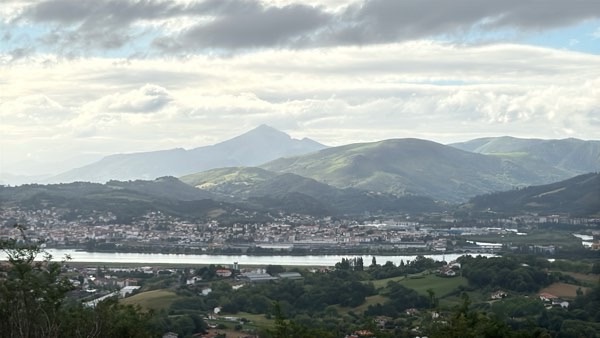
There are beautiful beaches, coastal views that go on for miles, working farmland, low lying clouds floating around the tips of the mountains, amazing sunrises and sunsets, lakes and ports with cute little colourful boats and so much more
Walking into towns and villages is dramatic as well due to the undulating path and sometimes those views leave you breathless!
Expect rain due to the coastal location, one of the days we had rain ALLLL day and it never stopped! It was still an awesome walk and memorable in its own way – the only thing is drying out your clothes and shoes that night which can be tough depending where you are staying!)
SHELLS
As you walk along the camino, you can choose to buy a scallop shell and hang from your bag
It is like a badge or proof of completion and historically shells from the Galician coast hung from the bag distinguished those who had not completed the pilgrimage – today, its sort of worn to signal that the wearer is a pilgrim and to invite hospitality from the locals, also some wear it as a souvenir to take home later
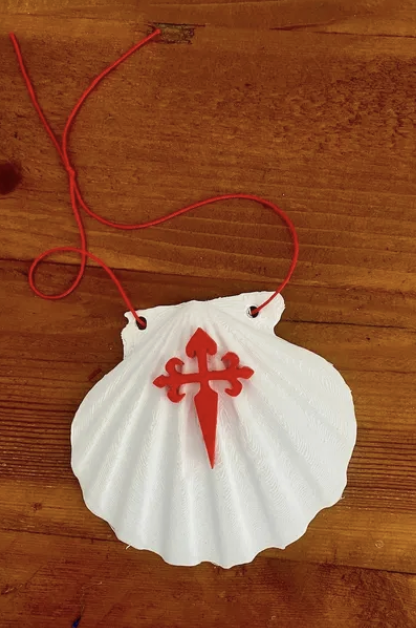
The red colour – represents the blood of Saint James who was beheaded by the sword
The white background – symbolises purity
Historically, the cross is the emblem of the knights of Santiago a medieval military order founded to protect pilgrims
It also holds a symbolic meaning representing the unity of the journey
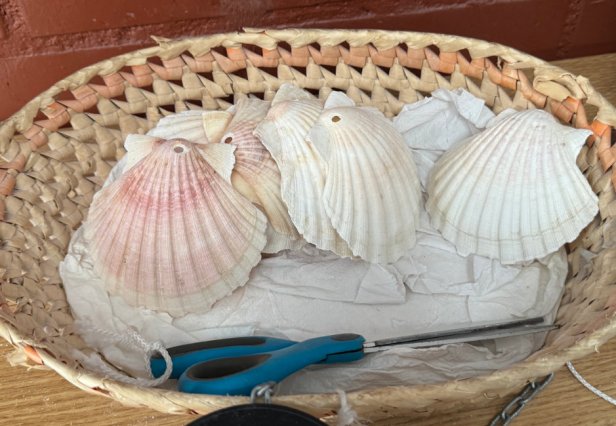
I bought mine along the way but never hung it from my backpack as I knew I would fling it around and would probably break it at some point lol – its now hanging from my wall bringing back awesome memories!
ACCOMMODATION
So, where to stay? this is always the question on each camino and each is different… what we found was the best way to do it in June is to book a day ahead, on the Camino Frances, we would just walk and get to a destination, find a hostel and see if they had space, but the Norte was a bit different in that there are less cheaper hostels along the way and many people got there really early and the hostels would be booked out by the evening, and because we were enjoying the journey along the way and having long lunches sometimes, sometimes a swim in the beach, we found we got to the accommodation rather later than others and we made the decision that instead of just walking fast all day non stop that we would pre book our hostel and show uo whenever we did, this worked for us and I enjoyed doing this
The prices to expect (2026 June) are around:
Hostels €10-15 / Albergue €15-25 / Pension €40-55 / Hotel €70-120
We stayed in a mix of hostels and pensions mostly pensions due to late arrival and wanted the security of having a place late – also the donativo and public hostels you are not able to pre book, its first come first serve
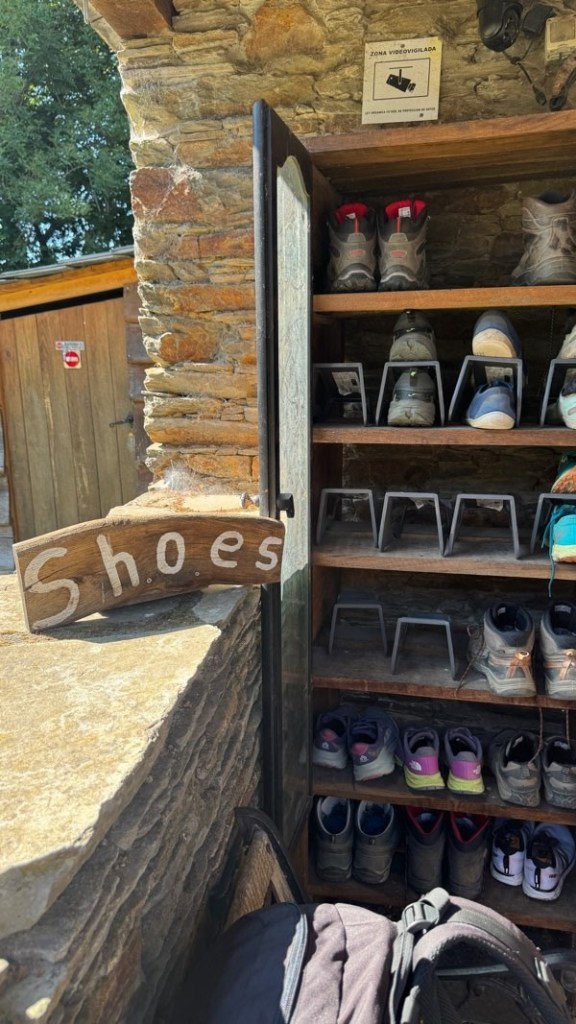
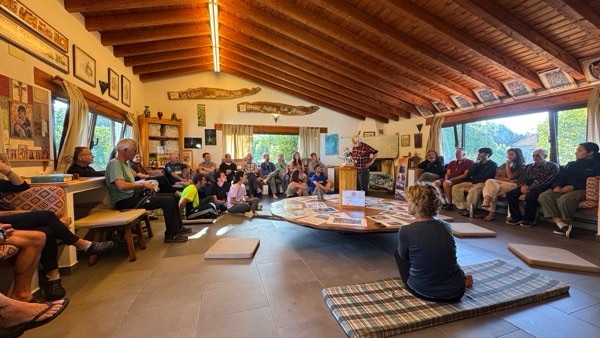
HOSTELS – we found the hostels on the Norte Camino were much more “grander” also cleaner and better facilitated than the Hostels on the Camino Frances, most had their own cotton bedsheets and pillow cases (I used my silk sheet minimally on this pilgrimage) and proper mattresses (not the cheap blue plastic covered foam ones)
Generally, hostels close their doors and lock them at 10pm, so you cant go out OR in – this is actually quite good because its secure and you dont have to worry about your things and also everyone sleeps before 10pm usually anyways
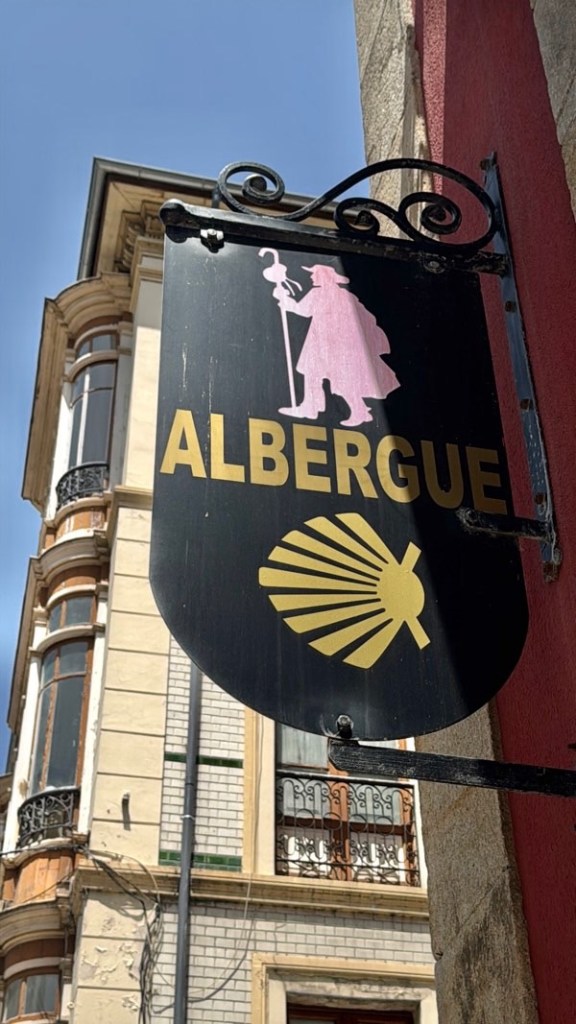
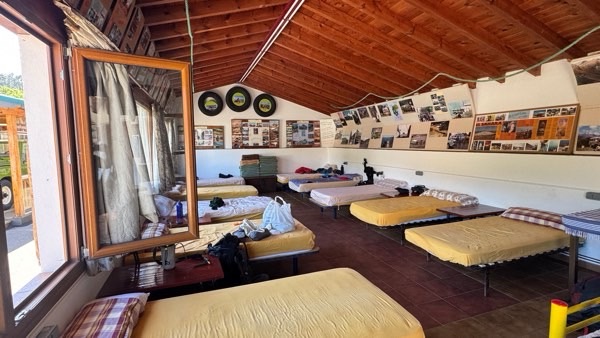
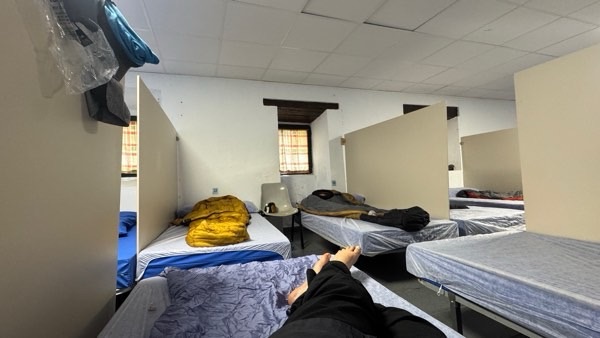
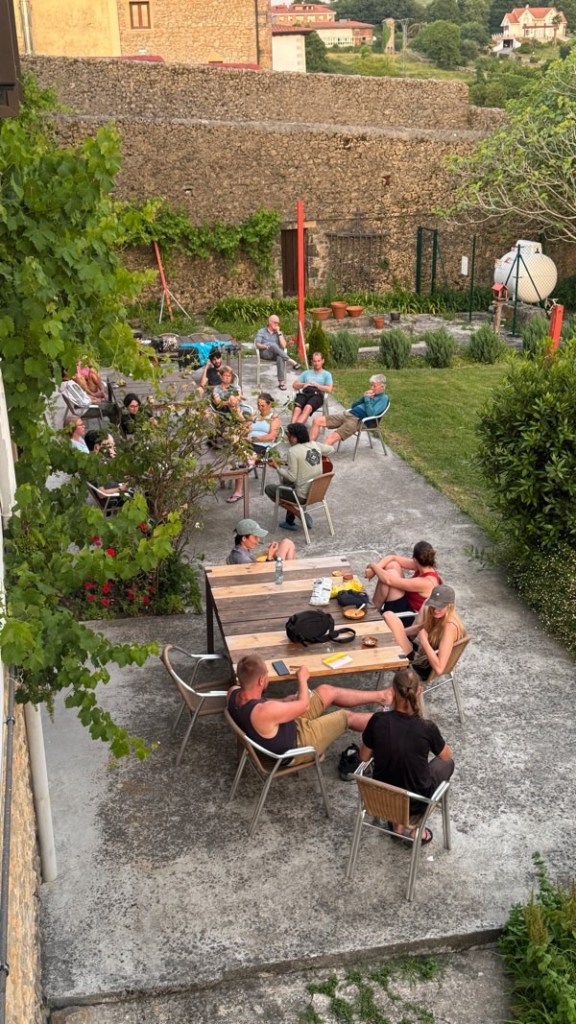

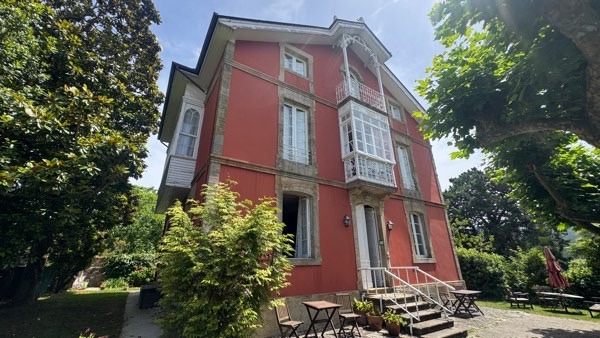
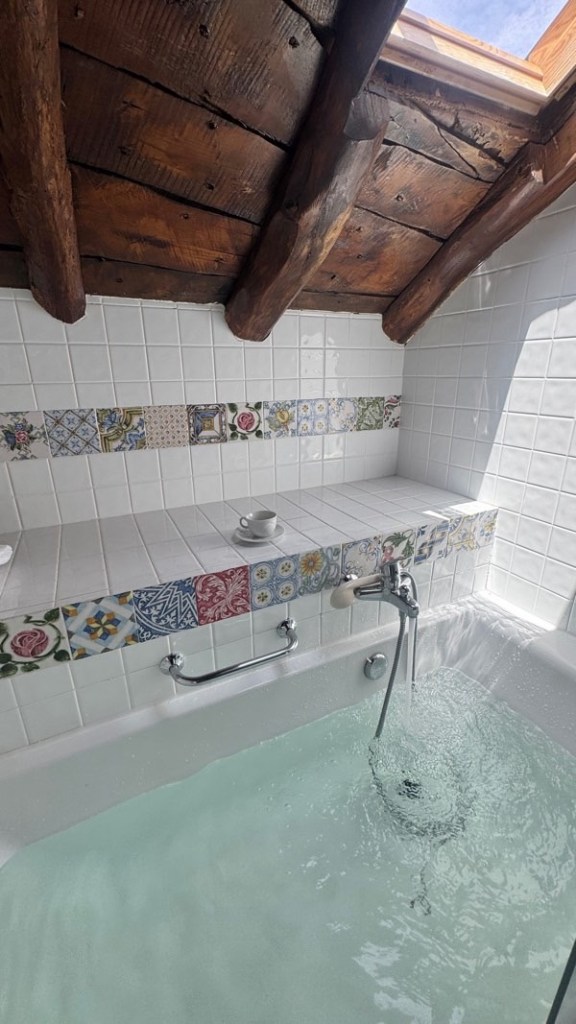
You also have the choice to upgrade your accommodation whenever you want! We chose this beautiful manor house and got the top loft room which included a bath, now THAT was a good addition especially when on the Camino
The pricing isnt too bad if you book at least a day before – also depending on the season and if its school holidays or not
LAUNDRY
OK, lets talk laundry! usually what you get on the camino is people pack with 2 sets of clothing, so 2 shirts and 2 pants (bottoms) and rotate between the sets daily – making sure to wash the one that was worn on the day – this became its own religion…
It seemed to work for us as many people arrived earlier than us and had already washed their clothes and showered and were sitting around relaxing, so we never had any issues washing our clothes and we never lined up for a shower either
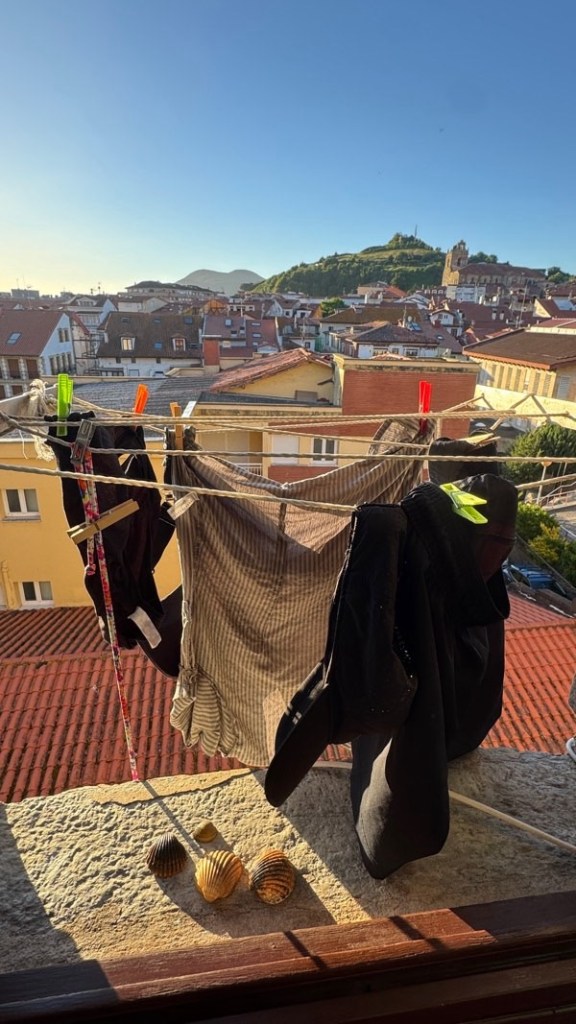
Its important to do the washing as soon as you arrive because you need to take advantage of the sunshine and the hours you have left for drying, most of the sunny spots are taken (and the pegs!) so make sure to 1) bring your own pegs or washing line if its bad weather you will need to hang inside) 2. Wash your clothes either in the shower or the laundry room if there is one, squeeze out the clothes in a towel to get as much water out and hang them up (not in the shower or bathrooms)
WATER FOUNTAINS
Water fountains along the camino are abundant and provide safe and yummy water to drink (they are connected to the municipal mains supply)
Look for the sign “Agua potable” to be able to drink
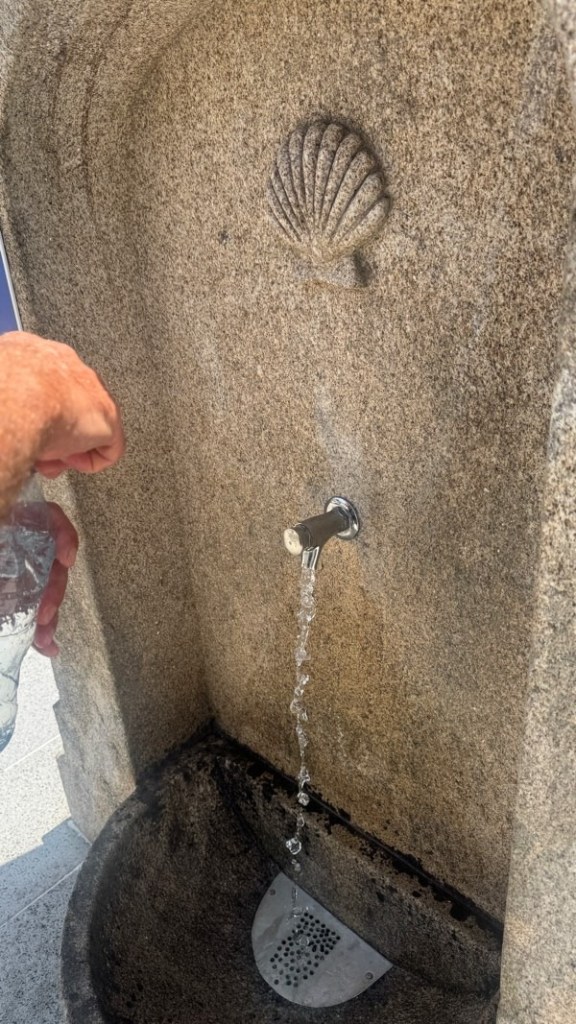
I found on the Norte Camino that the fountains were not as available on the trail that were in the mountains and more quieter areas, for example there was a 33km stretch where we only had a couple of fountains along the way so I would suggest if its a long walk to check and read up about the water situation
You will find water and public fountains in ALL towns villages cities, its more just the rural areas and long stretches of farmland
FOOD & DRINK
YUM! Spanish food and their supermarkets are the best, we mainly made our own food daily bought from supermarkets
We bought sandwich supplies and carried it with us on those days when the supermarkets were closed (sundays)
We saved A LOT of money making our own food and buying our own wine and beers from the supermarkets
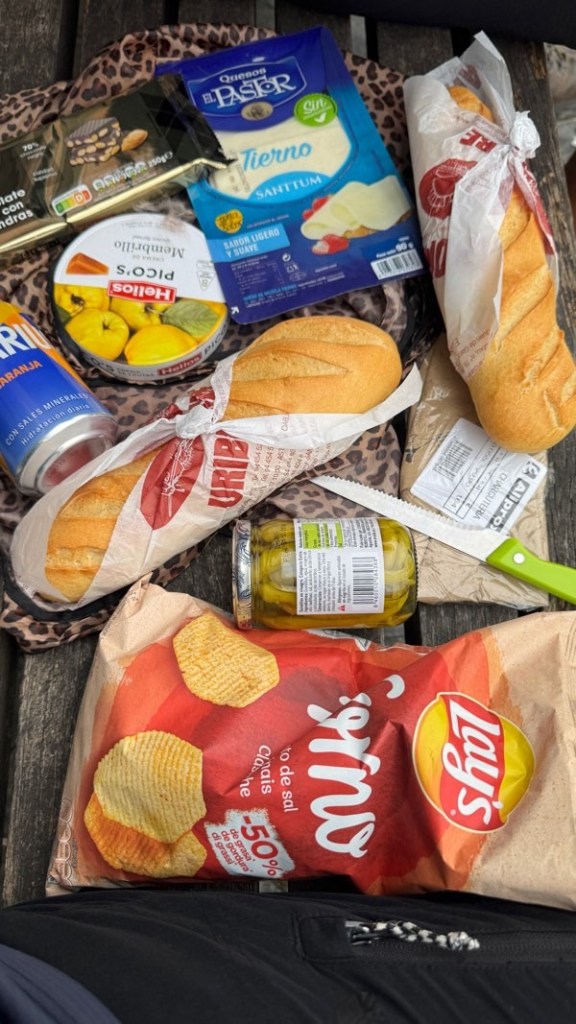
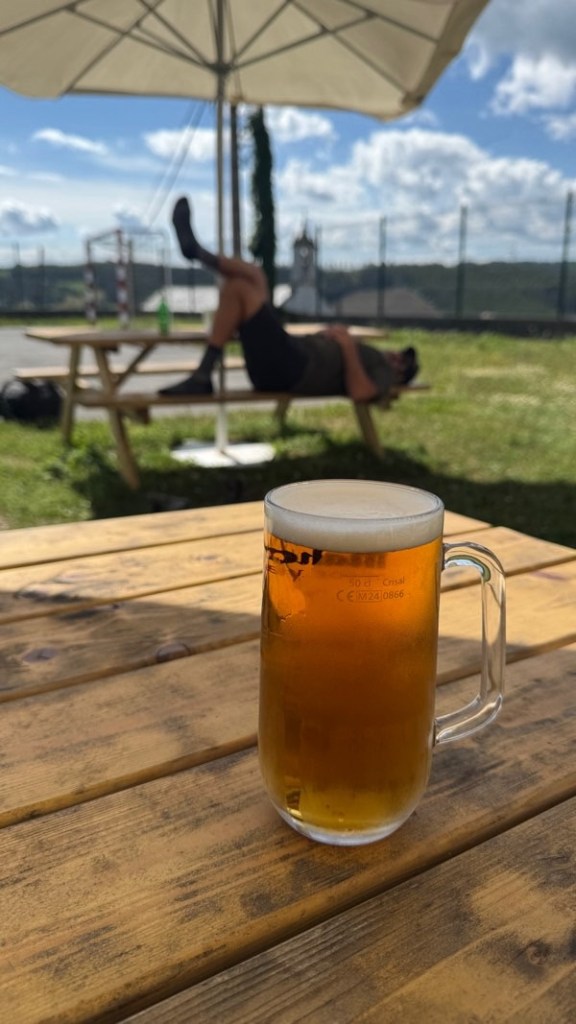
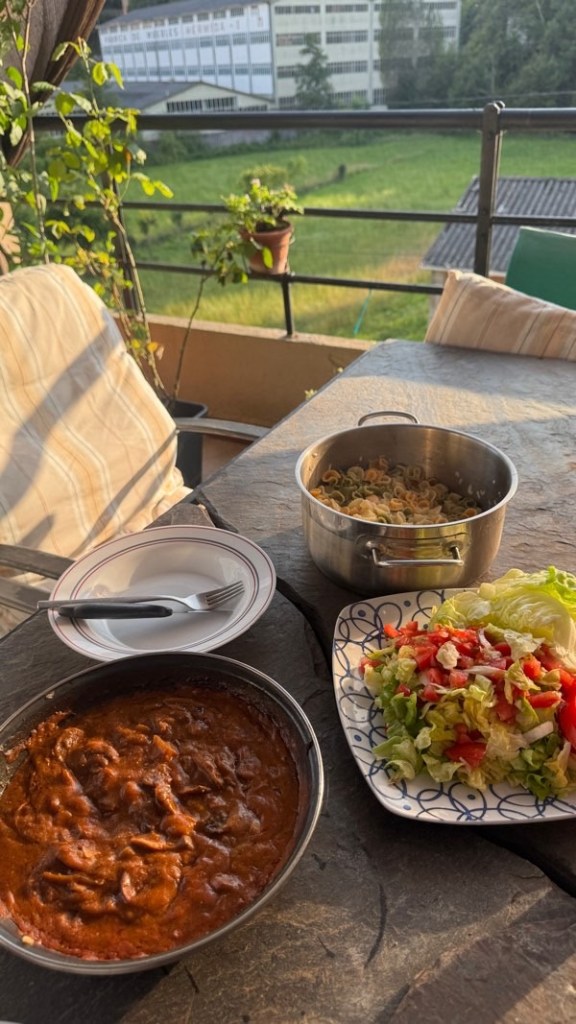
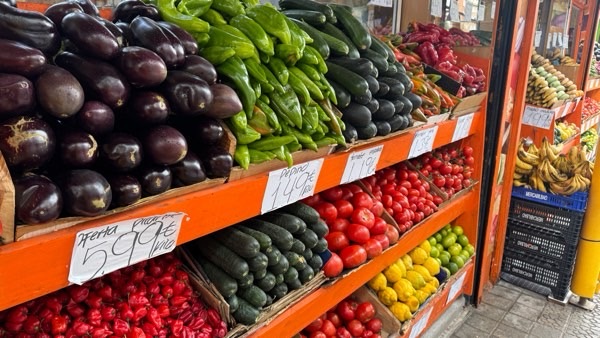
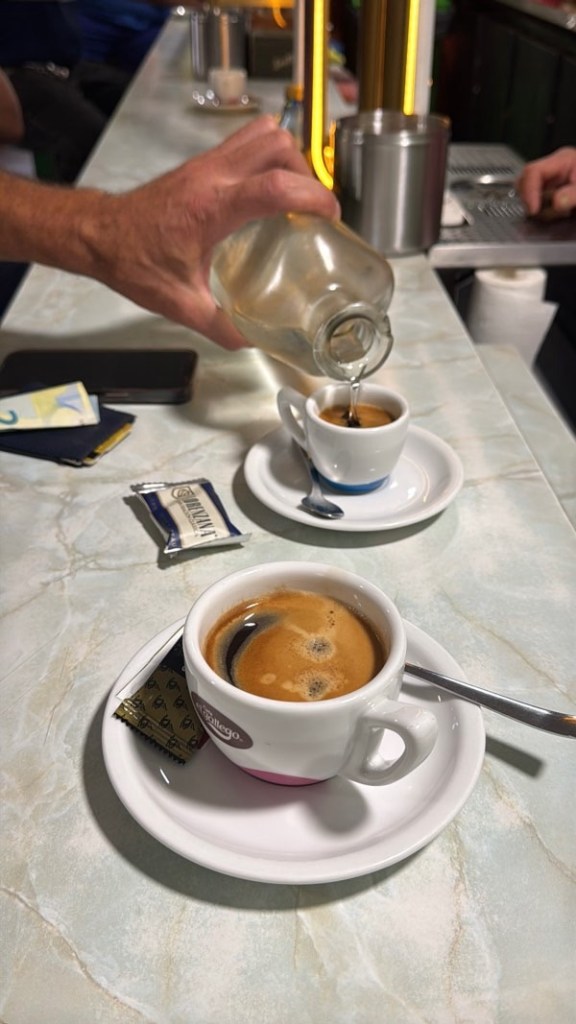
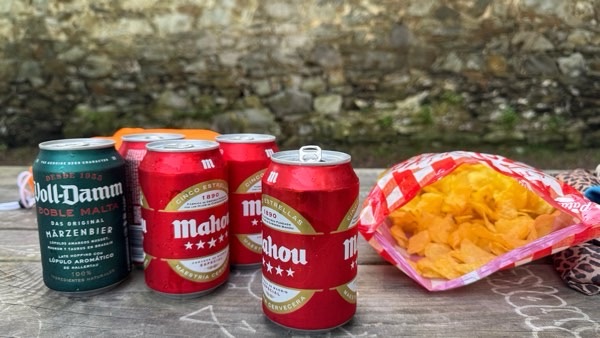
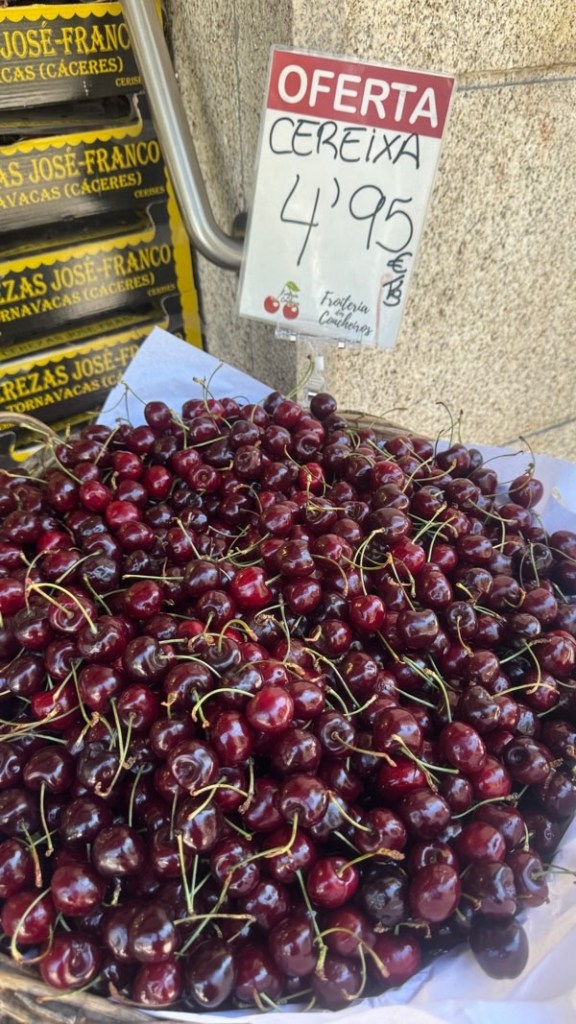
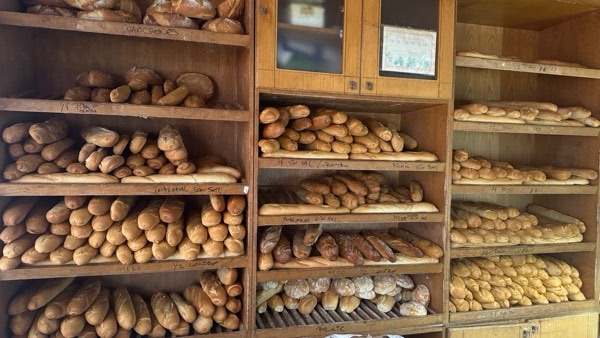
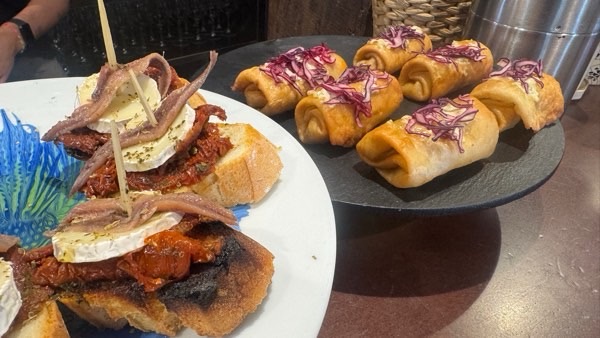
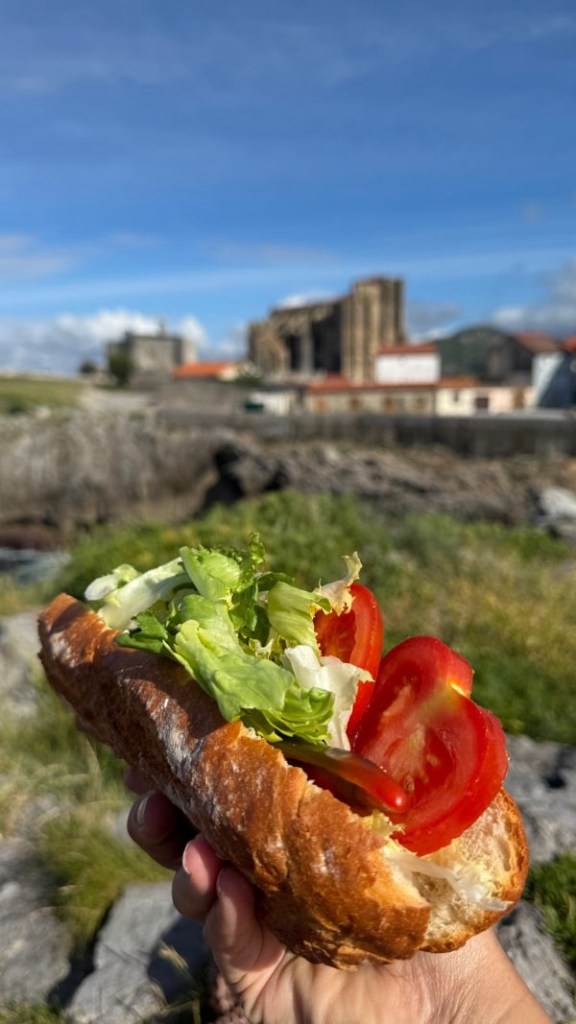
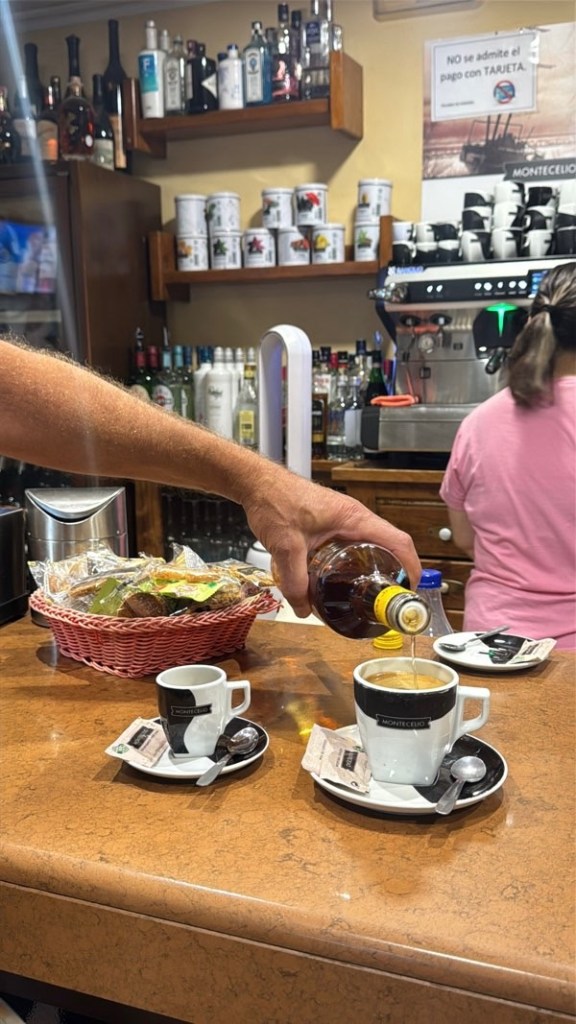
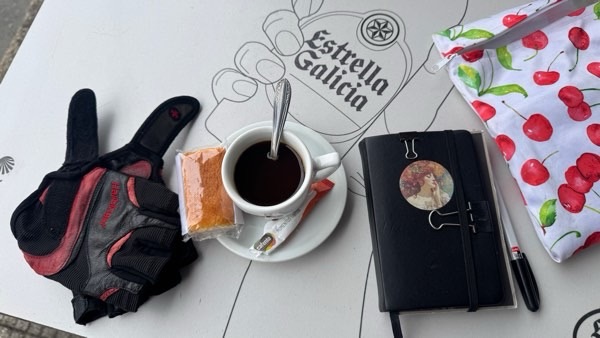
We did splurge on coffees and pastries, this was one of our fav things to do in the mornings when we started walking
Restaurants are a plenty along the way (except rural areas and long walks through km’s of farm land – again make sure to check the map and see which village and town is where along the way and how many restaurants are along the way the day before so you can be prepared – one of the days we werent prepared (not our fault) as it was a Spanish festival holiday and the supermarkets were closed and we had no choice but to eat at a restaurant and instead of spending 1euro on a cold beer from the supermarket, we spent close to 5euro for the same size and more than double the money on a fast food type meal which didnt even have fresh greens and salads that we liked (which is what we mainly packed into our sandwiches daily) wasnt worth it for us and the way we like to travel
YELLOW MARKERS
The waymarks along the way add such charm and obviously a necessity to find your way along the way
The idea of this was created in 1984 by a parish priest who revived the modern pilgrimage
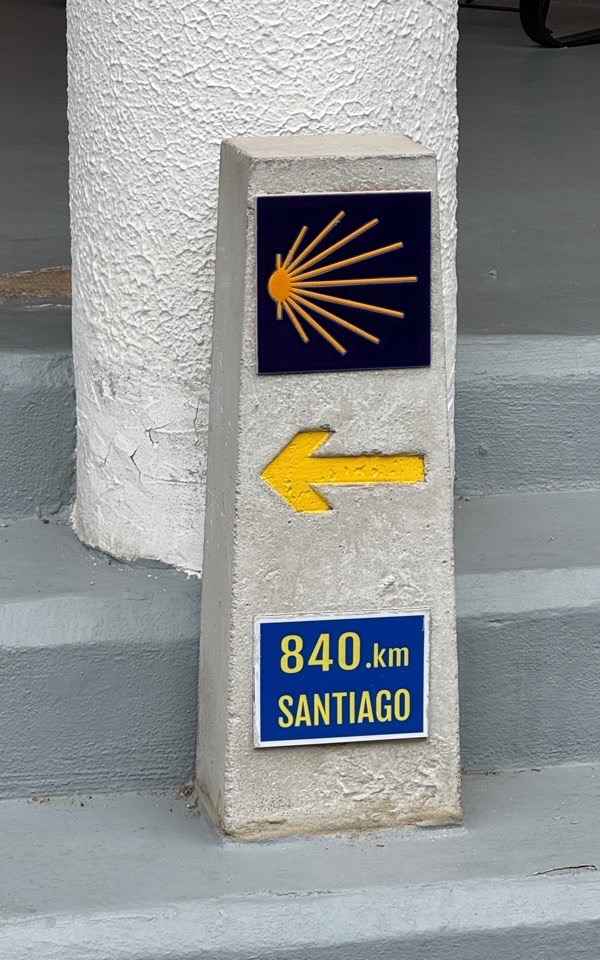
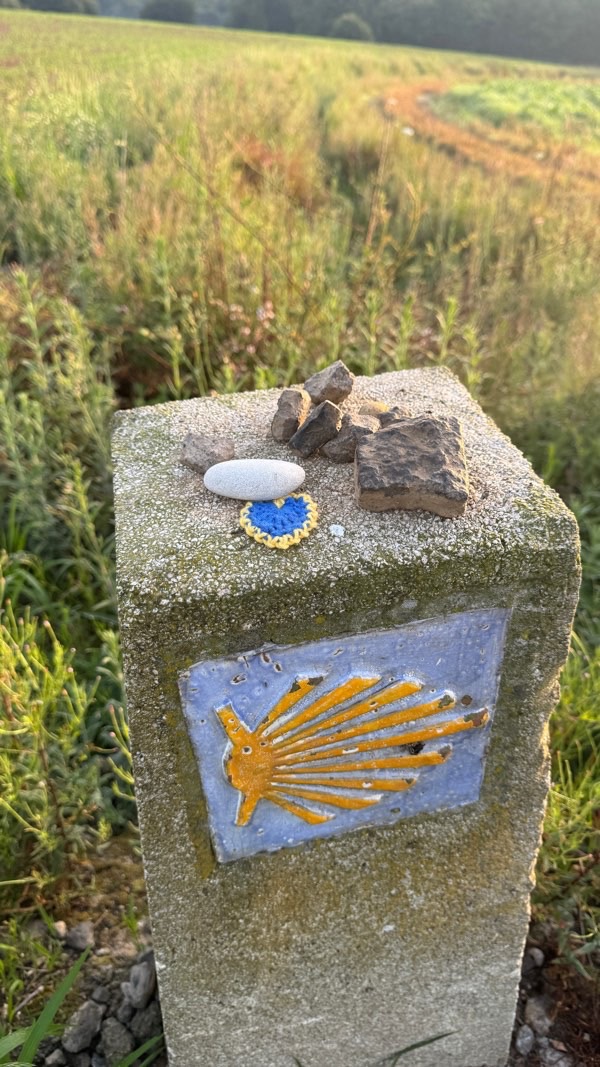
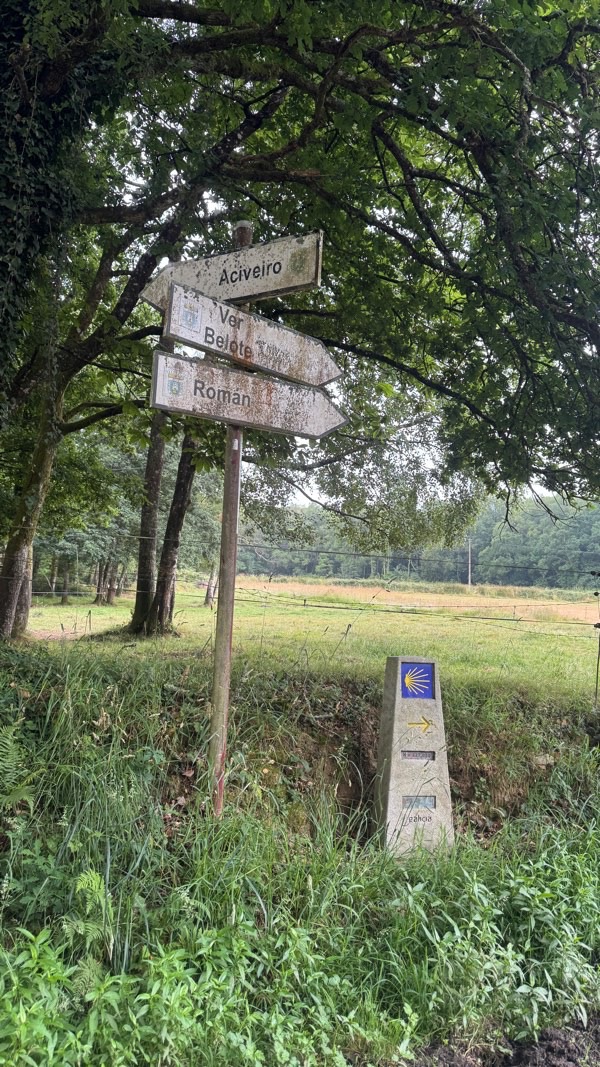
These arrows are painted on trees, poles, houses, buildings, the ground, everywhere and anywhere! and its accepted by the locals and they also have signs on their fences and gates to help pilgrims
GUIDEBOOK / APP
Definitely have an app or guidebook as a 2nd option as we found some of the signs in different regions, some signs were worn out or hidden and we did get off track a few times, the Frances is much better marked than the Norte we noticed
The yellow arrow was chosen as its highly visible and remains the universal symbol for the correct path and its also accompanied by the scallop shell which is a symbol of the official pilgrimage route – always follow the yellow arrow
THE CITIES & TOWNS
WoW! the towns along the way of the north were amazing! truely breathtaking and absolutely out of this world!
The route follows the Cantabrian coastline with dramatic cliffs and emerald meadows and unique fishing villages and port towns that are still operating and is one of the harder routes due to its hilly terrain, we always seemed to be adding 1-2 hours more of walking a day compared to what the apps were telling us!
Irun being the official starting point, joins by a bridge france and spain and is awesome to explore having its own unique basque style which you dont see in the middle of spain so was a treat to wander around
The major cities along this route were:
- San Sebastián (Donostia): A stylish seaside city in the Basque Country known for its beaches and Michelin-starred gastronomy.
- Bilbao: The capital of the Basque Country, famous for the Guggenheim Museum and its historic old town.
- Santander: The capital of Cantabria, featuring golden beaches, the Royal Palace of the Magdalena, and a vibrant promenade.
- Gijón: A major city in Asturias with a mix of industrial and historic architecture, known for its cider culture.
- Oviedo: The regional capital of Asturias, where pilgrims can optionally switch to the Camino Primitivo
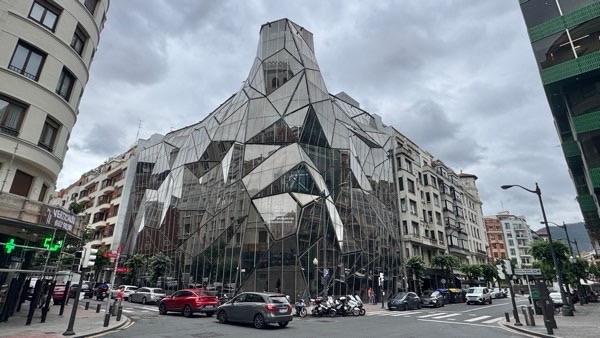
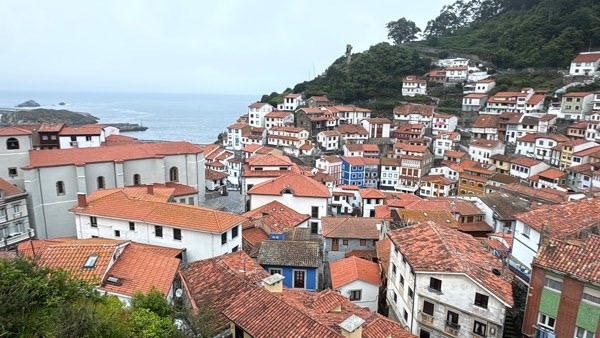
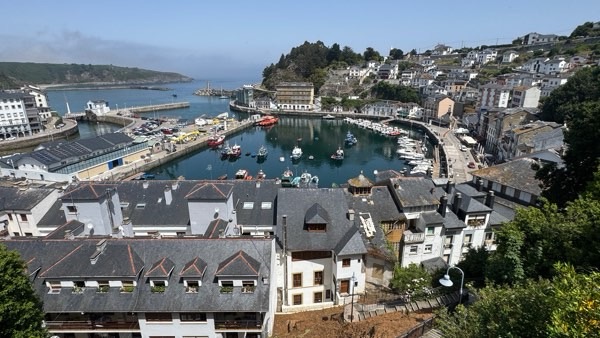
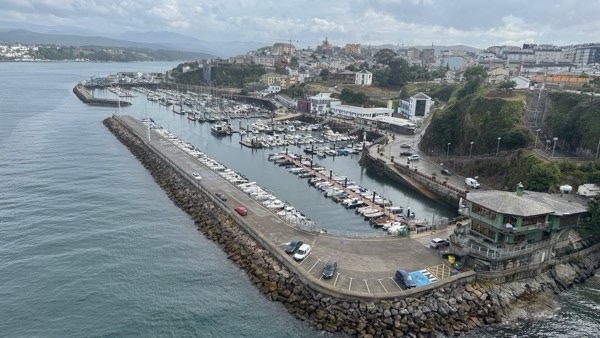

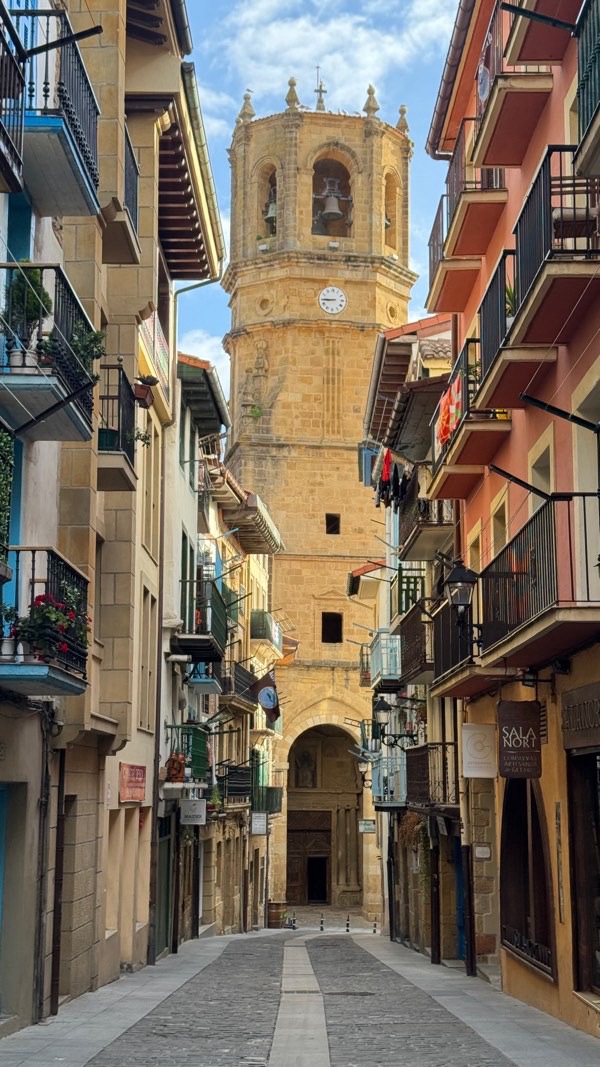
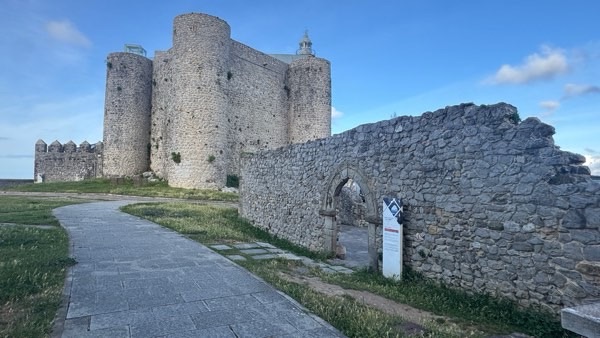
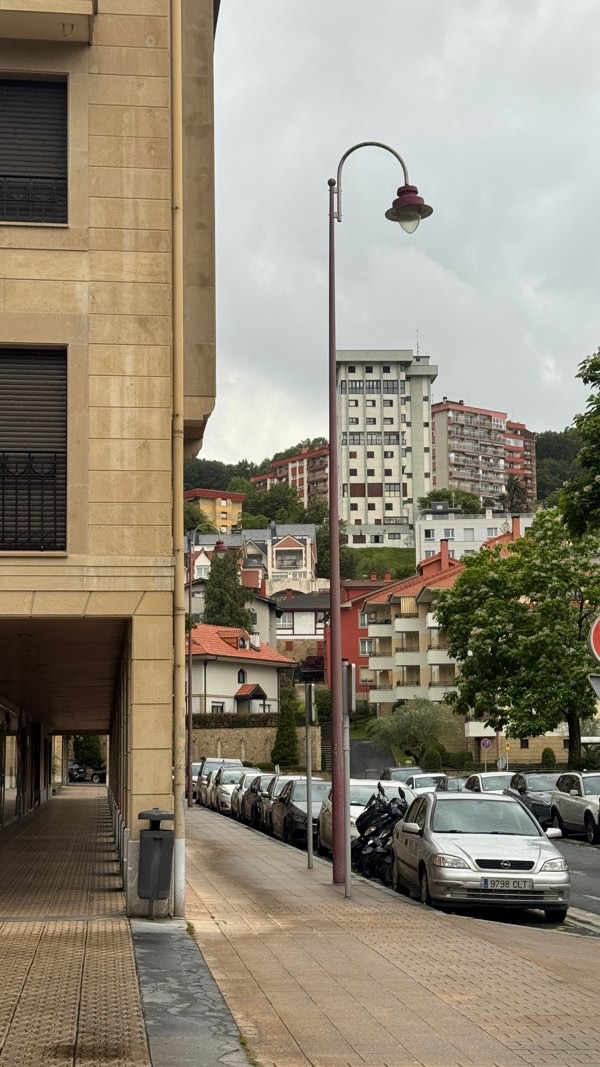
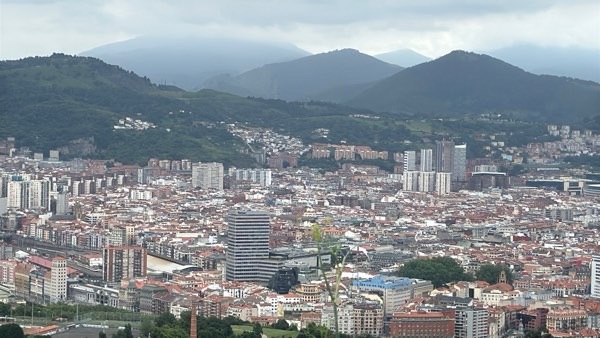
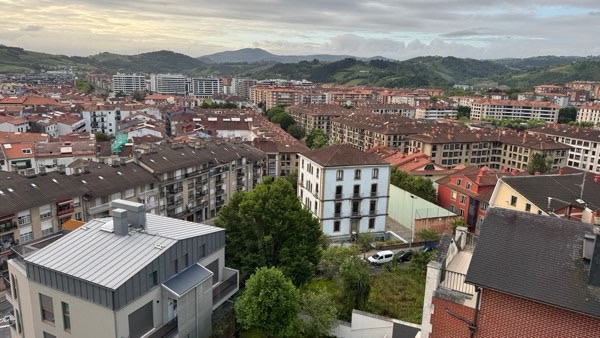
Every village, town, city had its own unique beauty and architecture and kept us in awe, I always was wondering what the next place would look like and couldnt wait to explore and take photos even being SO tired
TRANSPORT
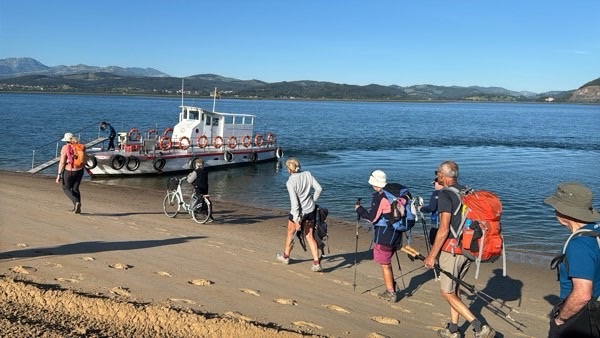
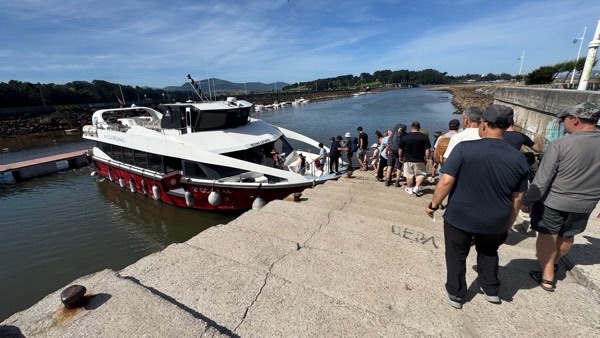
The Camino Del Norte is a unique camino as it had 2 sections which included a ferry!
We were shocked and excited and had to ask around to see exactly what this meant, well, lucky we did because you MUST check the ferry timeable online and check when the first boat is, and being Spain and where everyone is happy living their lives and not wanting to work (LOL!) the first ferry is like, 10am!
We learnt the hard way as one of the days we thought we would leave before 6am and when we got up no one was awake, lucky one of our french friends was and he told us that the first boat is at 10am and there was no point leaving now! we were pissed cos we could have had 1.5hrs extra sleep! so always check the day before
TRANSPORT BETWEEN THE ROUTE
What I love about the Camino is that you can do whatever you want on your own trip – if you want to catch a train or bus or taxi you have this option
All towns and villages are connected by some form of transport and taxis can be called from any shop bar restaurant or accom
Due to having an injury, at the beginning of the walk for one of the longer sections, I decided to catch a bus and spend some time in 2 villages before heading to the hostel, I loved that I could do that and I did it another time using the train and it saved some time instead of walking through the industrial area out of Bilbao and we could walk further, so you have MANY options – just be aware that in the smaller farm villages there are less options, for example I found only 1 or 2 buses a day – and once a bus never even showed up so had to share a taxi with a french couple! but however you want to organise your camino, you are free to using the public transport options if you choose throughout your walk
THE PILGRIM PASSPORT
The Pilgrim Passport (or Credencial) is a mandatory document for the Camino del Norte, serving as proof of pilgrimage to obtain the Compostela certificate and granting access to pilgrim hostels (albergues)
It is a valid passport for all camino routes and requires stamps daily from churches hostels cafes etc and you must have walked at least 100KM to be able to get your certificate at the end
You can get the pilgrim passport from different places
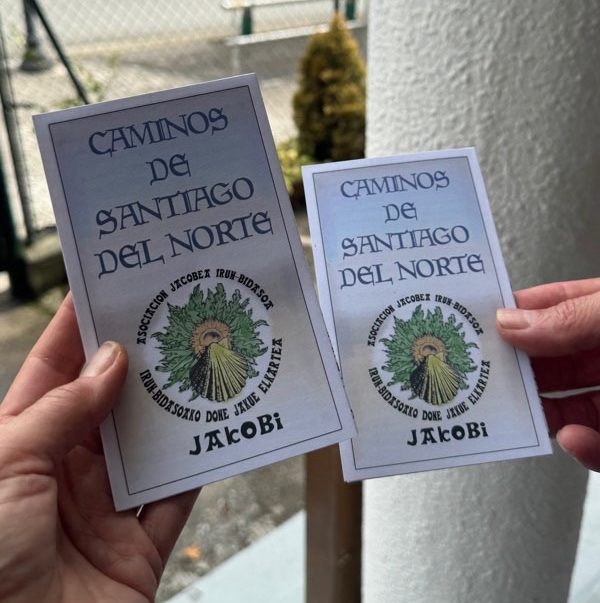
For the Norte Camino – the usual place to start the Camino is in Irun and there are a few places where you can get your passport, one being the Jakobi Hostel and the Passionist Fathers church as well as the local police station or Tourist office – you can give a small donation to the place where you get it from

APPS
Which Apps to use for the Camino? I noticed on the camino that everyone had their own favourite, I tried out these ones and used them simultaneously and they all worked well, I deleted the other ones I didnt like
These are my recommendations:
NO. 1 GRONZE
NO. 2 CAMINO NINJA
NO. 3 BUENCAMINO
Make sure to download these before you go and try using them and getting to know them before you get there so you know how to use them when you are there
If this has been in your mind to do.. PLEASE DO THIS… its so worth it even if its tough, you get used to walking and your body adjusts and you get to know what you have to do daily and its so safe and enjoyable as you meet other pilgrims and locals who all yell out “buen camino” and encouraging words – you dont need to be super fit, you just need to have the drive to want to get up early and walk, book accom, wash clothes, eat randomly and do it over and over again!
When the end comes, trust me… you feel like you dont want it to end! a lot of people say this because its like being in another world… basic survival and on a level higher than just working and surviving paying bills
please leave a comment or reach out if any questions, i would love to help and answer for you 🙂
BUEN CAMINO!
3JUNE-2JUL 2026


Thanks for your summary and beautiful photos. I had thought I would walk this route one day and now it is bumped a little further up the list. Buen camino to you. Mel
LikeLiked by 1 person
Yay! 🥳☀️ I love to hear that! It really is such an amazing experience, really… so worth the toughness of it any day – i hope you do do it one day soon! 😀 buen camino to you too!
LikeLiked by 1 person