
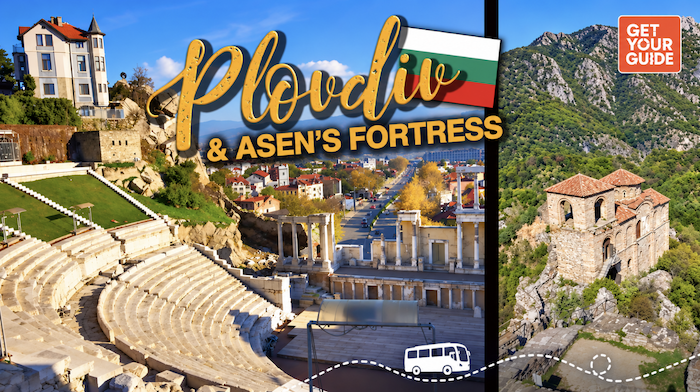
GetYourGuide Day Trip from Sofia.
Plovdiv & Asen’s Fortress, exploring Roman History, Armenian Heritage & a Fortress in the Mountains!
GENERAL INFO
🇧🇬 COUNTRY: Bulgaria
📍 DESTINATIONS: Plovdiv & Asen’s Fortress
🌍 REGION: Plovdiv Province, Southern Bulgaria
🏙️ STARTING POINT: Sofia, Bulgaria
🚐 TOUR TYPE: Guided day trip with free time for independent sightseeing
🎟️ TOUR PROVIDER: Booked through GetYourGuide
⏰ DEPARTURE: Approximately 8:45 AM from Sofia
📍 MEETING POINT: Near Serdika Metro Station
🚗 SOFIA TO PLOVDIV: Approximately 1.5–2 hours by road, depending on traffic
🕒 TIME IN PLOVDIV: Approximately 3 hours, including a one-hour guided walking tour
🏰 ASEN’S FORTRESS: Medieval fortress near Asenovgrad
🥾 WALKING DIFFICULTY: Moderate – cobblestone streets, uneven paths, hills and steps at the fortress
💶 CURRENCY: Euro (EUR) – Bulgaria adopted the euro in January 2026; Bulgarian lev (BGN) was used during my 2025 visit
I did a lot of research into what tours to do because I definitely heard about Plovdiv and that I need to do so I decided to stay a few extra days mainly because I wanted to get to Plovdiv and surrounds
Getyourguide is my go to company for tours when Im in a new country, I’ve had only the best experiences with them!
Please read on and if you like the sound of this tour, the below is the link…
Link to this tour via Getyourguide: –> THIS TOUR DETAILS
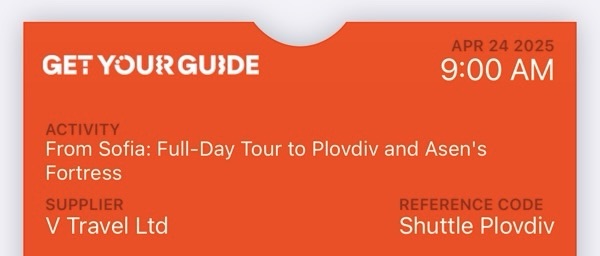
On the day it sends reminders of the time and place where to meet, I really enjoy using this app, also I feel good knowing that the tour guides on this app are checked so if anything happens you can get in touch with Getyourguide customer service
MEETING POINT
Perfectly located as easy to find meeting point right at Serdika ruins near the metro station up on the main Street right across from McDonalds
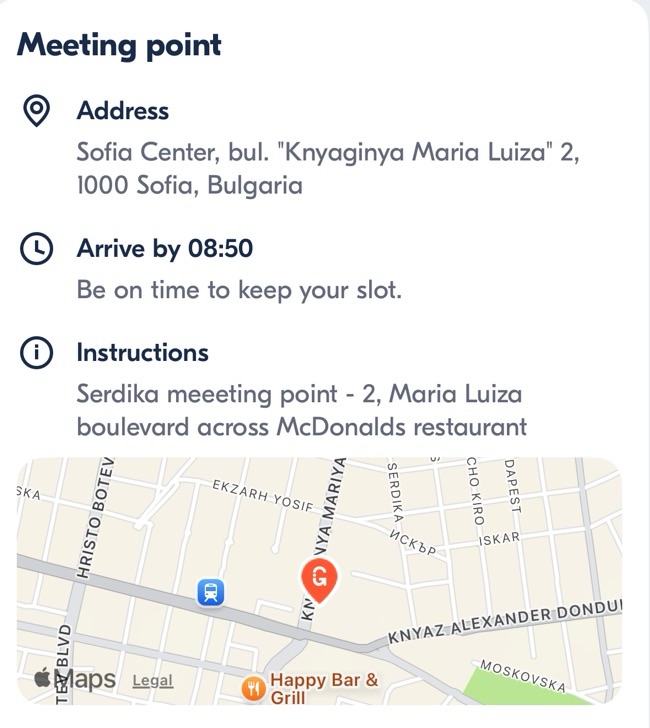
Directions are nice and clear on the Getyourguide app and you can connect it to Google maps and it helps to direct you to where you need to be
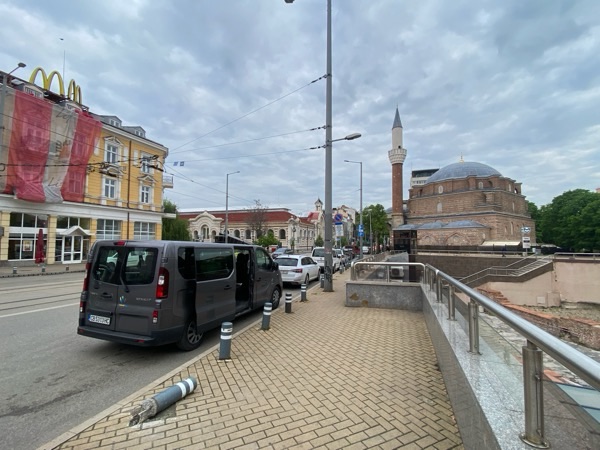
The van was nicely marked with the company logo so was easy to find
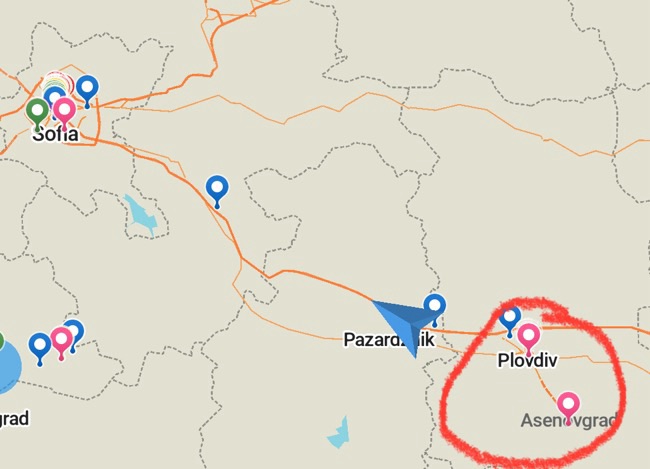
The overall trip from Sofia to Plovdiv
GETTING TO PLOVDIV
The drive was around 1.5hrs direct to Plovdiv
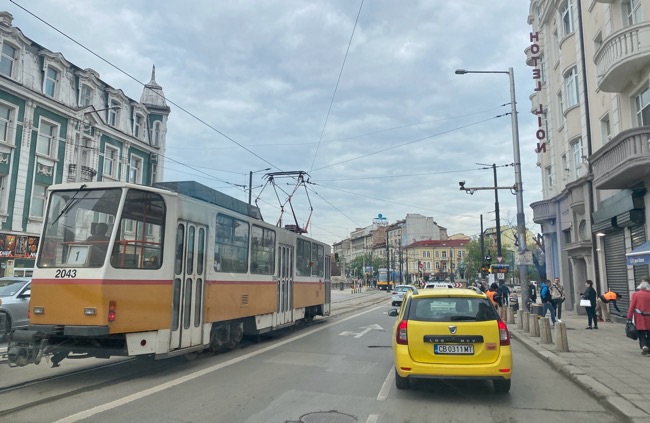
Sofia was busy busy at 8:45am people walking around the city on a mission
The tram system seems to be really good here in Sofia, trams coming and going all the time
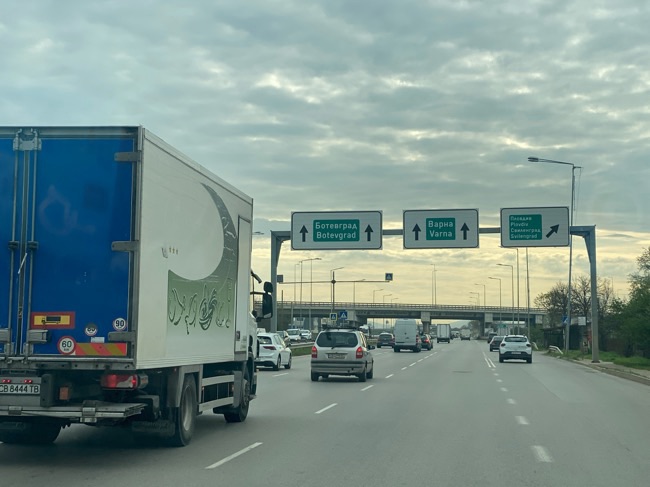
The motorway was crowded and there was quite a lot of traffic especially on the way back. But I enjoyed relaxing in the car and enjoying the scenery and taking a snooze every now and again
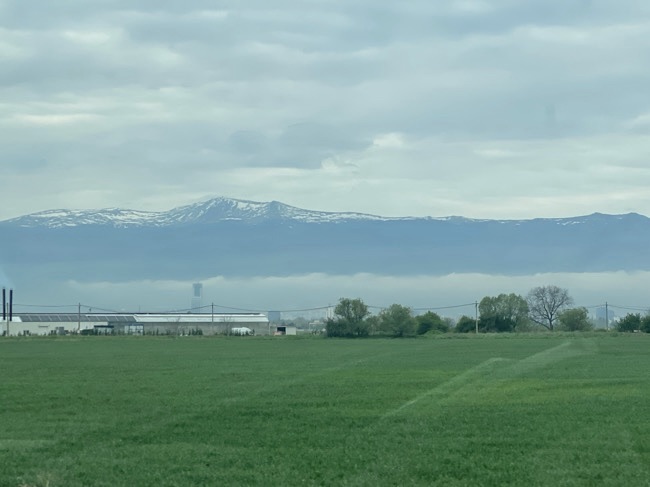
The drive was really nice, the views of the snow tipped mountain poking out of the mist was magical
PLOVDIV
Is a Plovdiv day trip from Sofia worth it?
Plovdiv is an interesting city! Its built on layers, Thracians, Macedonians, romans, Byzantines, Ottomans and Bulgarians have called it their home
There are so many ancient architecture left behind in layers, theatres, cobblestones, mosques, merchant houses and other interesting sites! Its all buried under modern Plovdiv
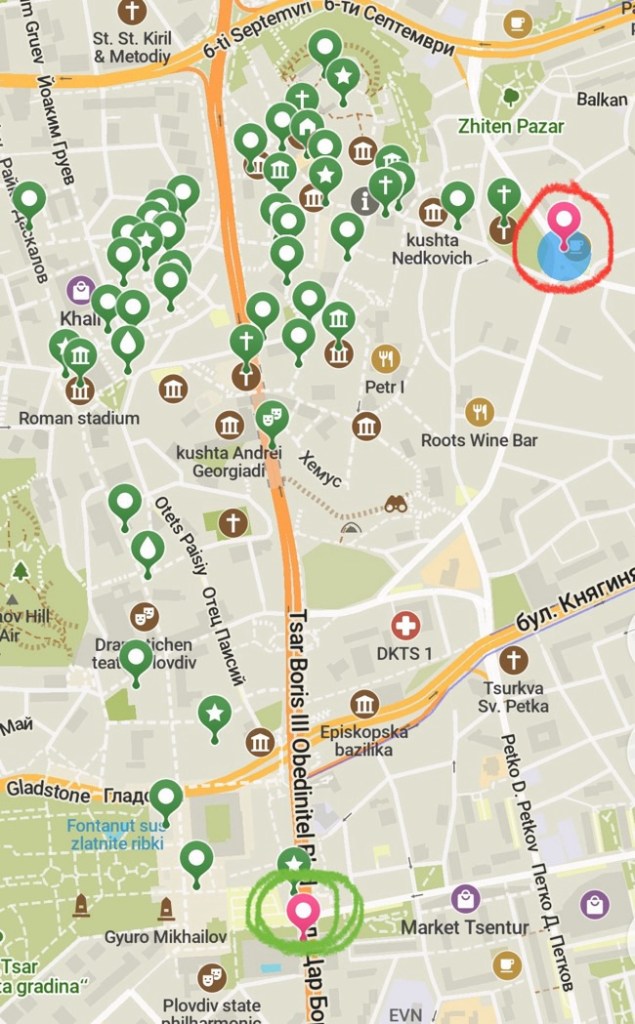
We met our guide there and he took us on a 1 hour walking tour around Plovdiv’s Old Town, giving us a bit of history along the way
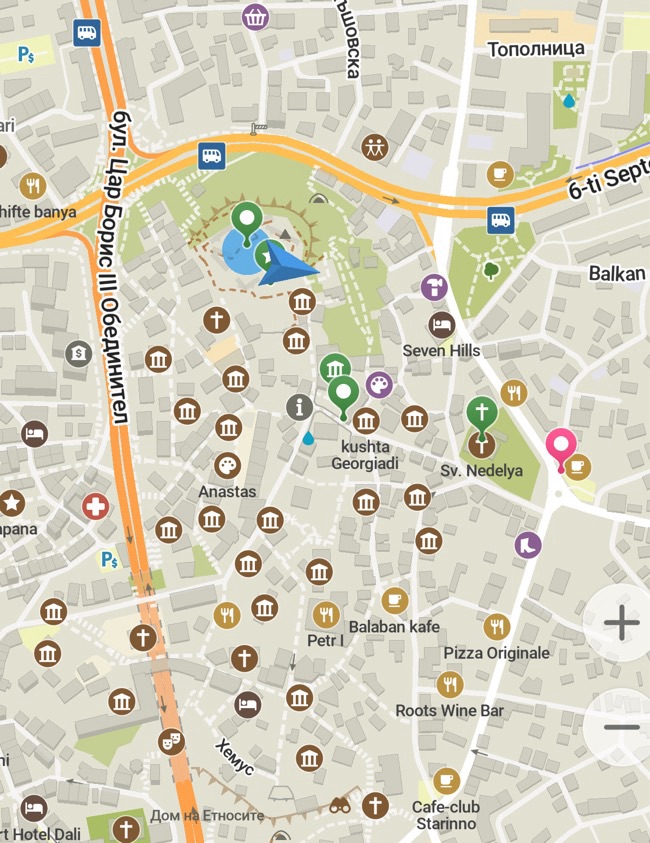
The green circle on the above map is the pick-up point, in front of the Ramada Hotel at 3pm.
Altogether I had around 3 hours in Plovdiv, which honestly wasn’t enough for me! I could have easily spent another hour just sitting in a café with a coffee, people watching and staring at all the gorgeous old buildings! so much history!!!
Plovdiv is seriously OLD! There has been settlement around here for thousands of years, and it’s often described as one of the oldest continuously inhabited cities in Europe
A lot of what you see in the beautiful Old Town today dates from the 19th c. when Plovdiv was an important trading city within the Ottoman Empire. The Ottomans ruled the area for almost 5 centuries, and Plovdiv became a busy stop on the trade routes connecting Asia and Europe through the Balkans. With all that trade came some seriously wealthy merchants! and this totally explains some of those incredible houses!
Plovdiv has also had an interesting Armenian connection. Armenians had been settling in the region for centuries, including during the Byzantine period, with further Armenian refugees arriving much later following the Armenian Genocide. By the 19th c. Bulgarians, Greeks, Turks and Armenians were among the communities living and trading in the city
One thing I found really interesting was the churches! During the Ottoman period, Christian churches could sometimes be quite discreet from the street, hidden behind high walls and large gates, while the beautiful decoration was waiting for you once you stepped inside
Basically, Plovdiv is one of those places where every corner seems to have another layer of history hiding underneath it!
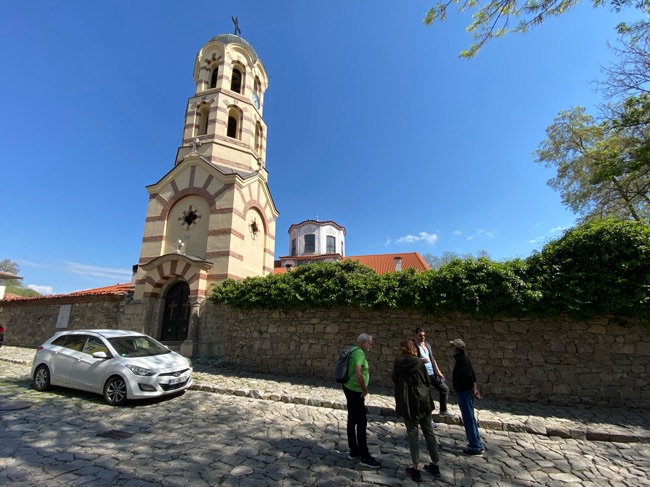
This church is a beautiful 19th c. Orthodox church tucked into Plovdiv’s Old Town, with its distinctive bell tower added later in 1905
THE CASTLE GATE (HISPAR KAPIA)
A medieval stone archway in the times of the Knights of the 3rd crusades
Gate is original gate with crossbow shooters from the top
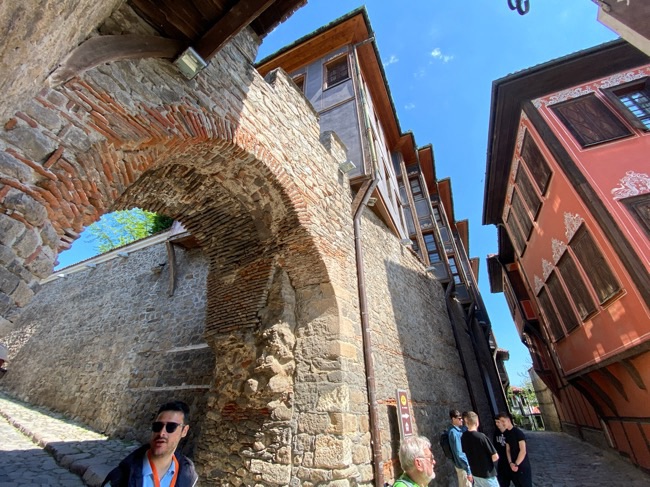
The style of the city gate is layered with different historical eras, you can see the different types of stones and how it was layered on top of each other
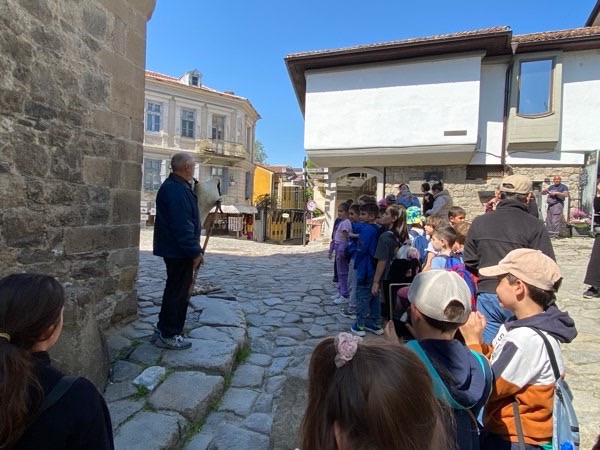
This was really sweet 🤗 the man was playing traditional Bulgarian bagpipes then the kids stopped and watched him a bit and then they all softly started singing along to the traditional song the man was playing 🥺 it was so cute!
I think the man got a bit emotional as well – this really showed me and encouraged me that we havent lost touch to humanity and community ❤️
REGIONAL ETHNOGRAPHIC MUSEUM ~ Inside a Merchant’s Mansion
Built for Argir (means silver in greek) Kuyuromgioglu the silver goldsmith making jewellery and gemstones, and was called “Kuyumdzhioglu House“
If these walls could talk! Built 1847 and they had another house in front – they abandoned the house and left to go to turkey – it was meant to be destroyed and a tobacco factory in its place, the mayor convinced the owner to keep it and not to knock it down
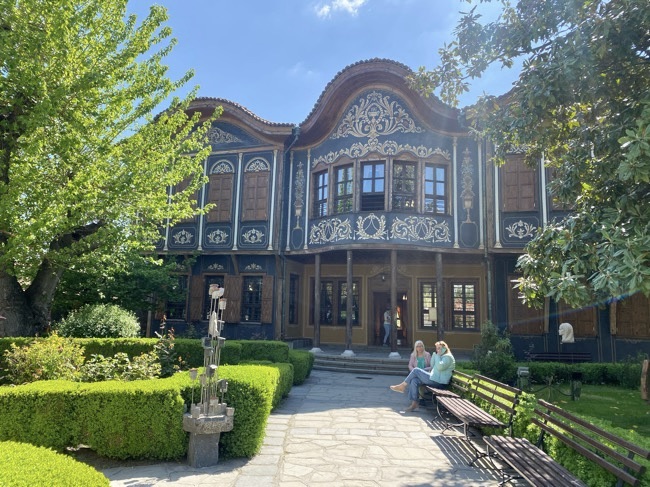
Bulgarian revival and the decorations is inspired in this Baroque style facade
The museum was established in 1917 and a cultural monument of national significance
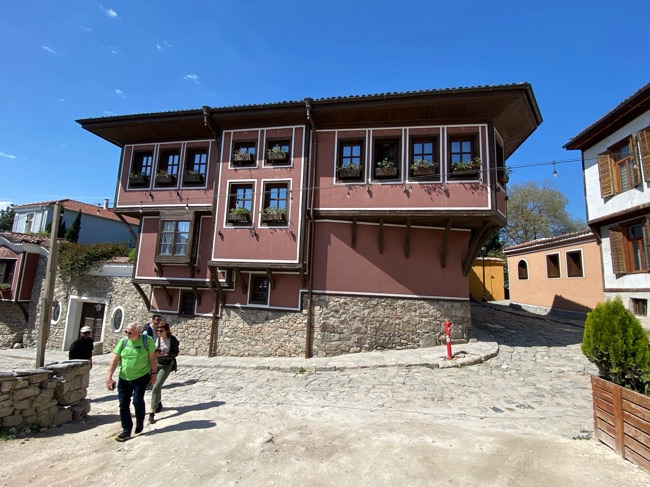
Its really interesting, in the old town, the new houses have to be built in the old style, its because its an architectural and historical reserve, so new construction and alterations need to preserve the character of the neighbourhood, IM SOOO glad they think about this
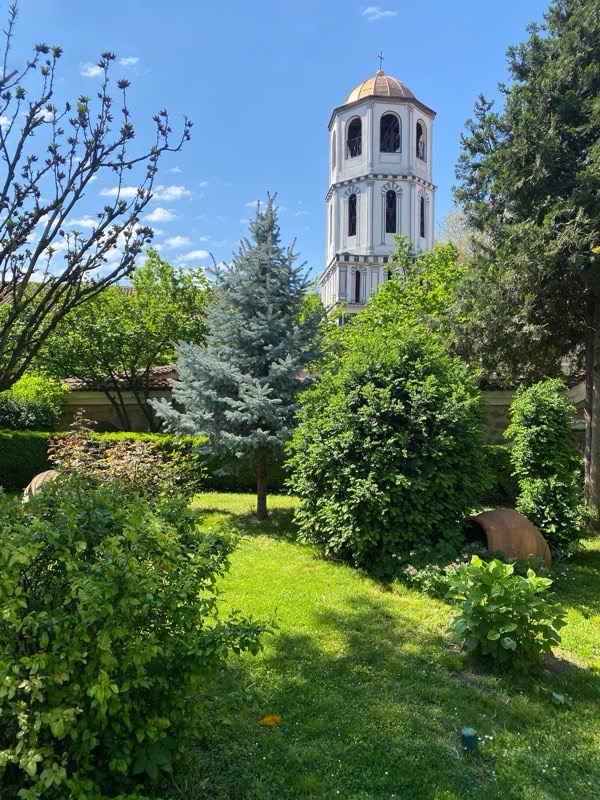
Scattered through the old and new city and beautiful green parks and sitting areas with shady trees and beautiful places to relax under the shade
🏰 PULDIN FORTRESS / NEBET TEPE ~ Plovdiv’s Ancient Hilltop Ruins
Yep… It’s Worth Climbing All Those Steps to the ancient ruins of Plovdiv! 😅
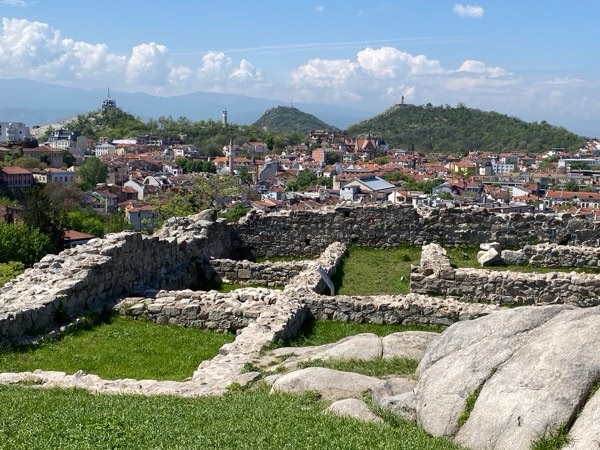
1 of 5 fortresses around Plovdiv and what you see here isnt just 1 building, its a whole load of layers built on top of each other layer upon layer over more than 2000 years!
Located in the old town area, its hard to miss this beauty sitting on top of the hill!
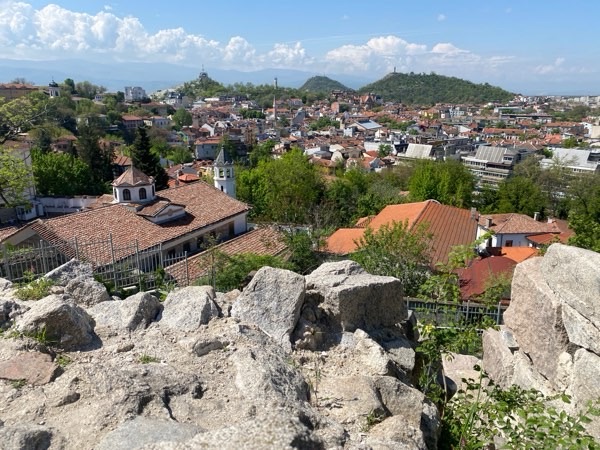
The view from the top was just fantastic over the old town and also the new town
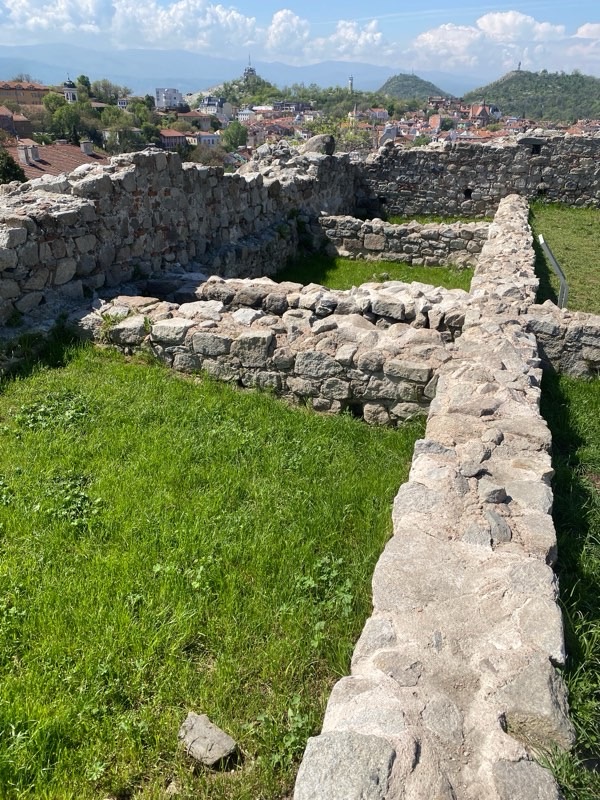
People were living around the hill 1000’s of years before the surviving fortress walls appeared
The first dated fortifications come from the 2nd half of the 4th c. – I dont know how they built these things back then because it was using huge stone blocks sourced locally and some sections were built without mortar!
The the Roman’s arrived – they expanded out and up and built the fortress and the streets and water storage and the huge granary, they created a defensive wall around the city
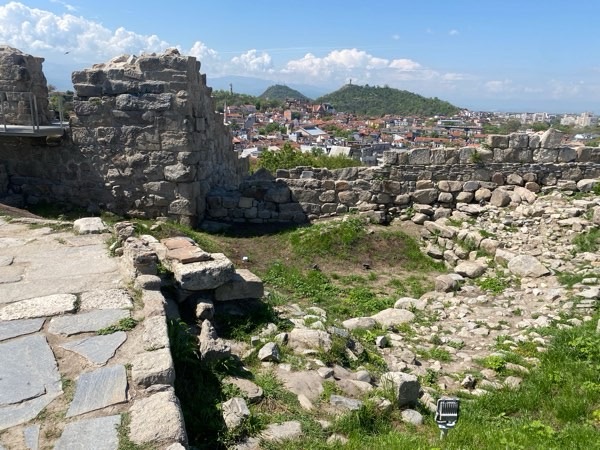
Underneath the fortress there is an ancient passage and staircase leading down the hill and there is a huge water reservoir 350 cubic m inside the fortress!
🇦🇲 STEPAN MANUK – ONE SERIOUSLY WEALTHY ARMENIAN!
Also known as Stepan Hindliyan : India, Armenian Millions & One Fancy House!
Stepan was known as “The indian” – he imported spices and leathers and silks from india – he was the wealthiest person in the area!
His house was built in 1840 and inside painted by italians
Has its own haman, shows his power and wealth and still holds its original form
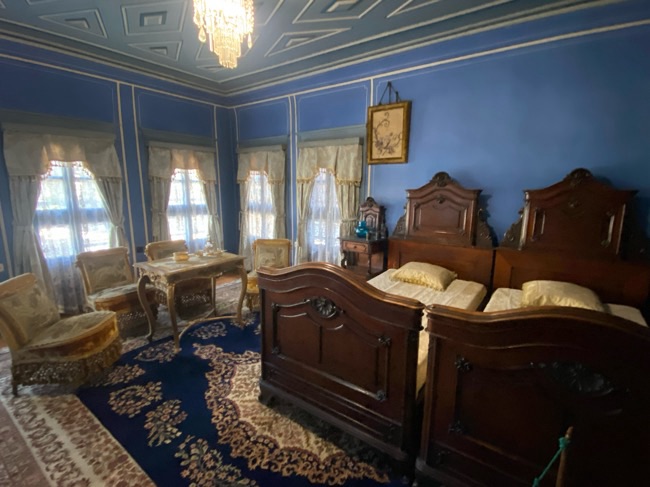
As I walked around the property, I noticed that each room had its own colour and theme
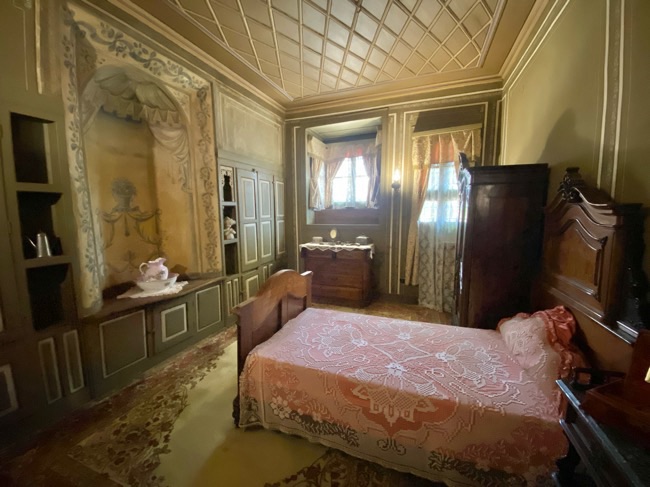
He housed armenian refugees around 64 people at times of need
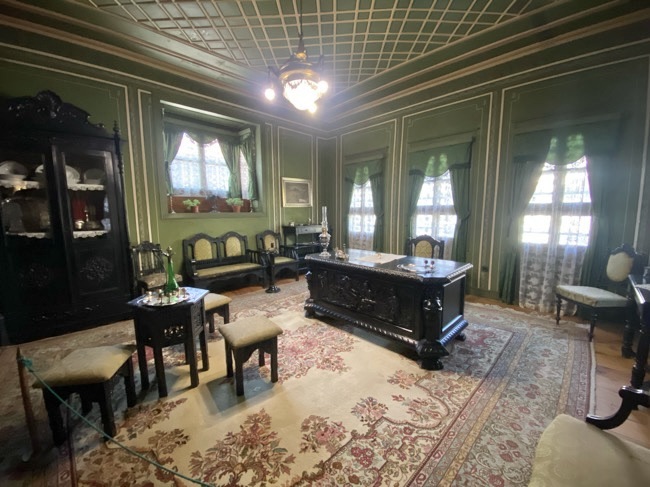
This level is the entertainment area where they would have guests and women and mens sitting rooms
The ottomon sultan gave these to merchants to give them special statuses and not having to pay taxes
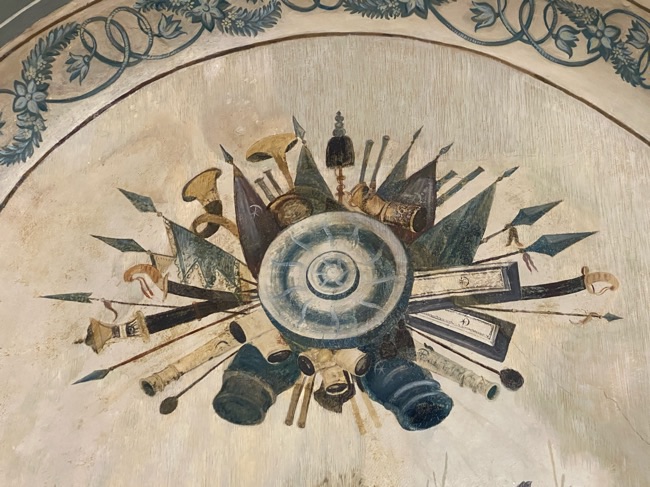
Murals on the walls, were all of his travels
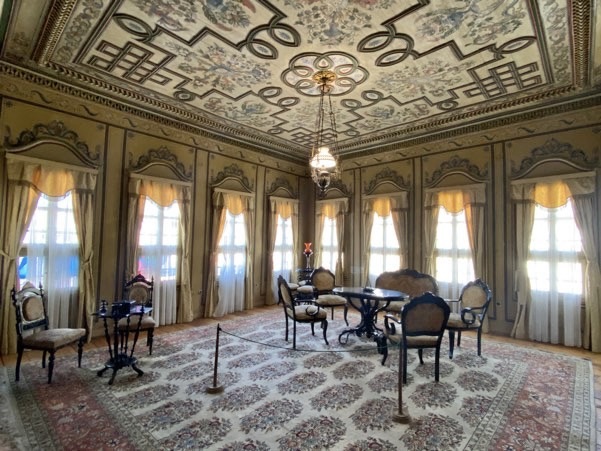
Another beautiful and ornate room, kept in its own still
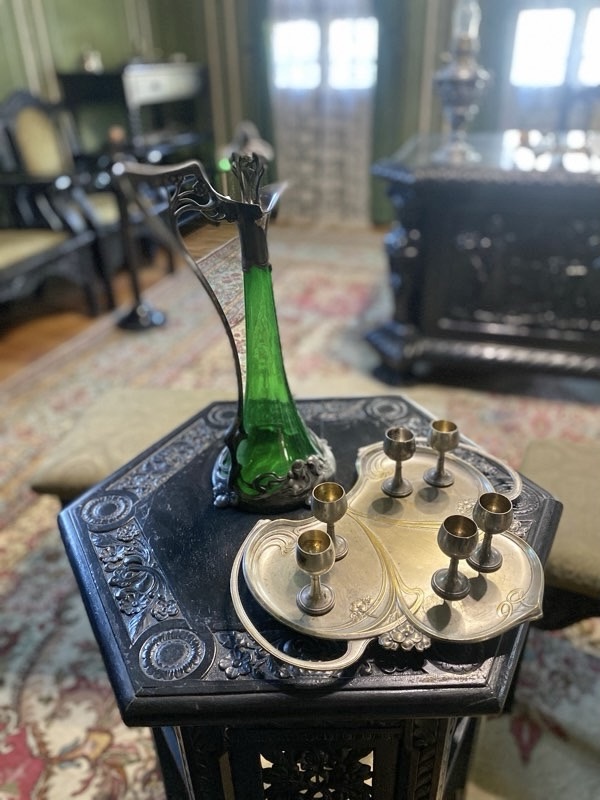
Traditional cups that the family would use to most probably drink Armenian cognac
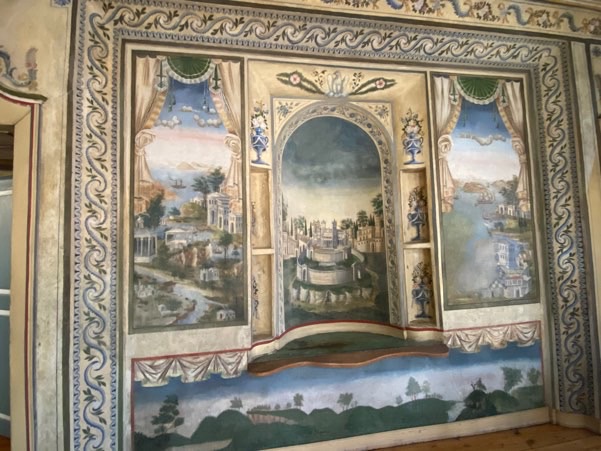
The walls were filled with hand draw paintings of his trips around the world, he would use his imagination and get the italian artists to paint them for him
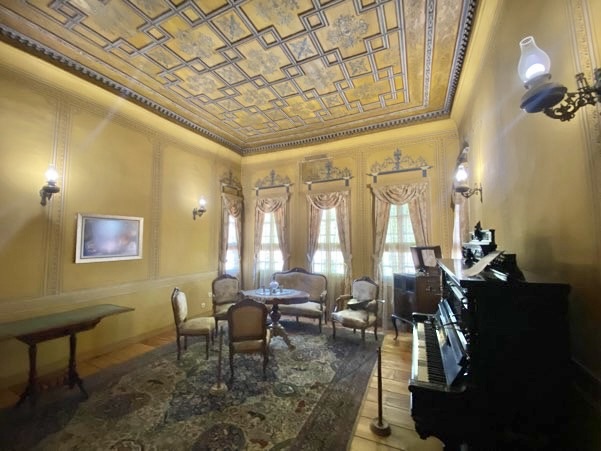
One of the 6 rooms on this floor, this was the music room where they would enjoy playing an original berlin piano with built in candelbra from 19th c.
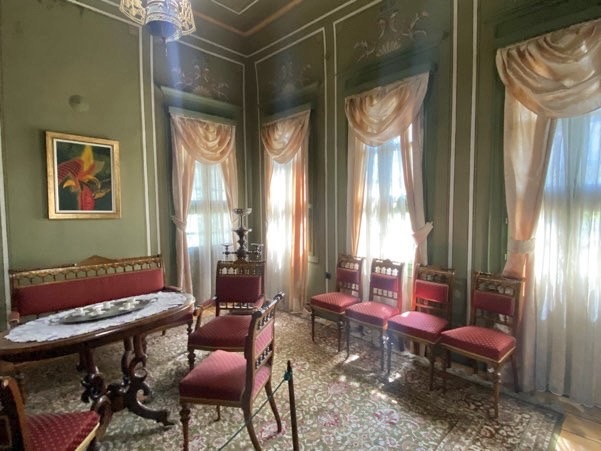
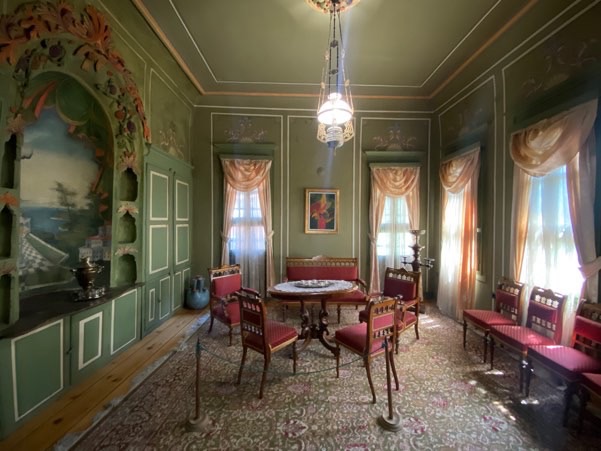
The womens lounge room, has a feminine feel to it and the women would sit relax and chat and read here
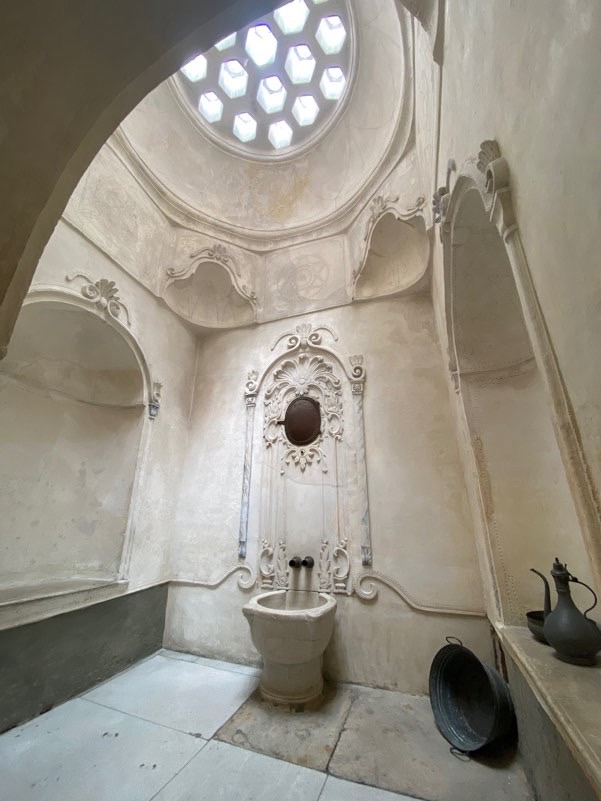
The marble room was beautiful! Made to relax and enjoy the heat from the stove which were on the back bit of the room which was connected to the kitchen and was usually always heated and warmed the room and the water – the design was fantastic
THEATRE OF PHILIPPOPOLIS ~ Plovdiv’s Ancient Roman Theatre – 2,000 Years Old
Used as a venue for events for the locals and an open air museum
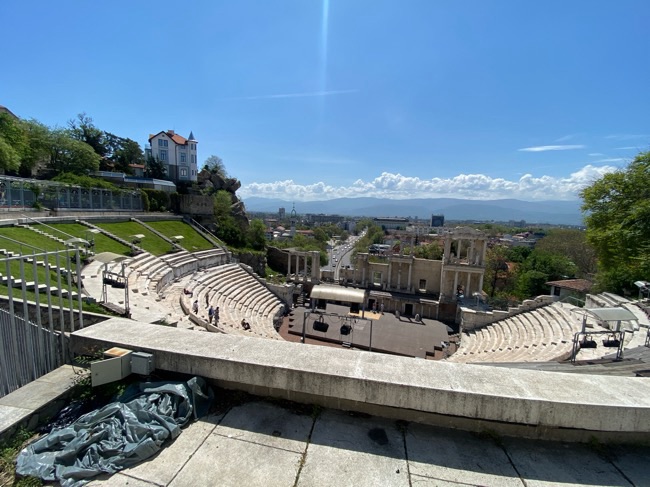
Said to be built in the 1st c AD, the roman amphitheatre sits proudly in a position overlooking the town
The theatre could hold several thousand people who wanted to see theatrical performances, public gatherings and civic events
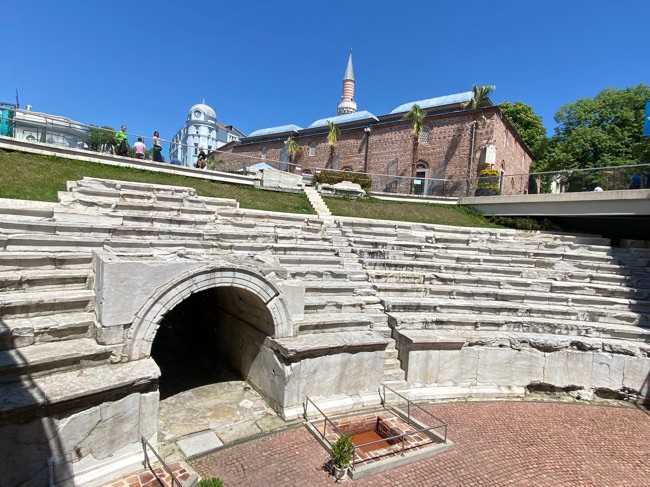
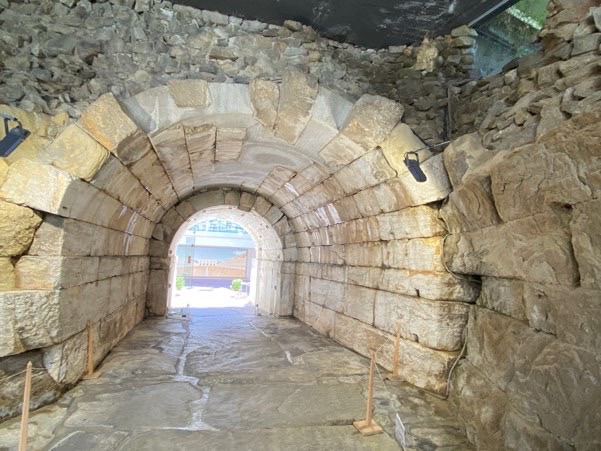
Underground there are ruins you can explore which is part of the stadium, it was HUGE!
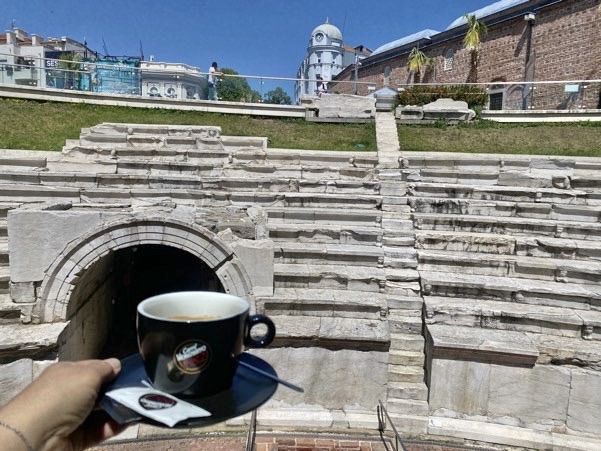
I found a perfect cafe and I had to go underground and downstairs to get to and I enjoyed my coffee and being surrounded by these ancient ruins
Coffee was 5bgn for an americano and the view was worth $1000!! Spent 20mins here but it was worth it before exploring more of the ruins
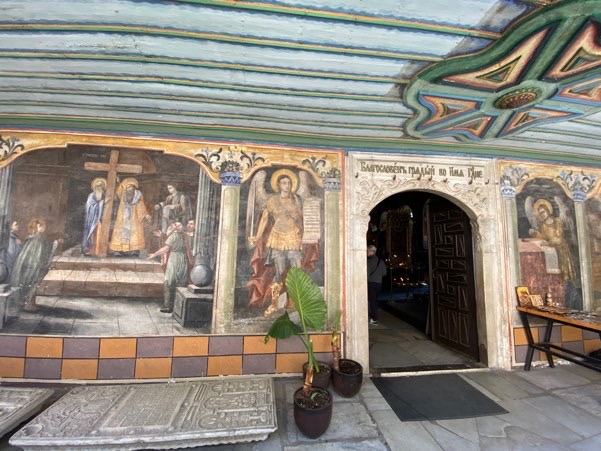
Saint constantine & helena orthodox church – the hand painted church had a different painting style more towards the Greek style
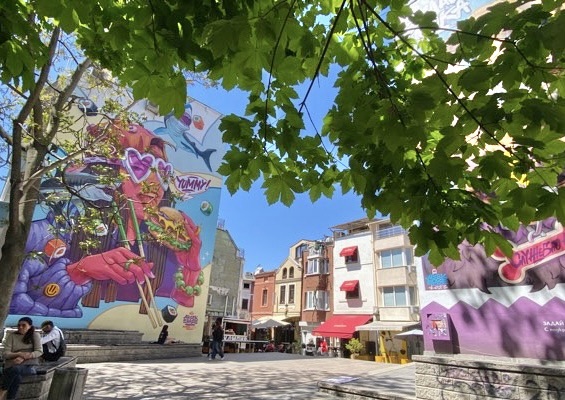
There were heaps of colourful motifs and graffitti around the city and added awesome colour to the already colourful buildings!
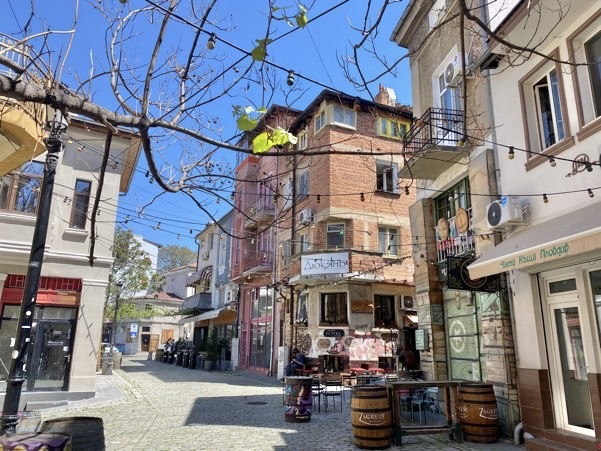
I really enjoyed walking around this colourful city, the buildings were regal and colourful
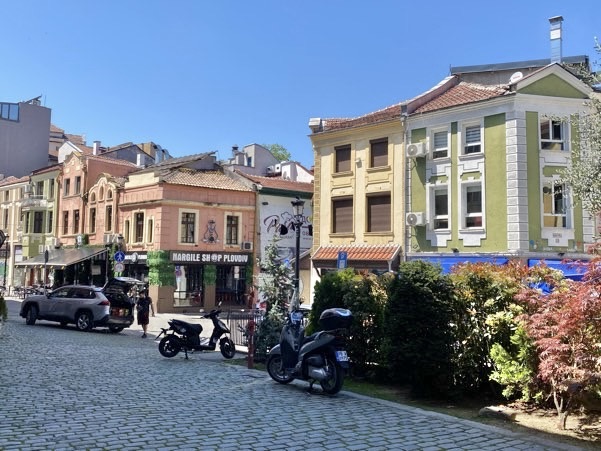
The city was clean, very touristy but so it should be! It has so many beautiful architectural marvels to explore!
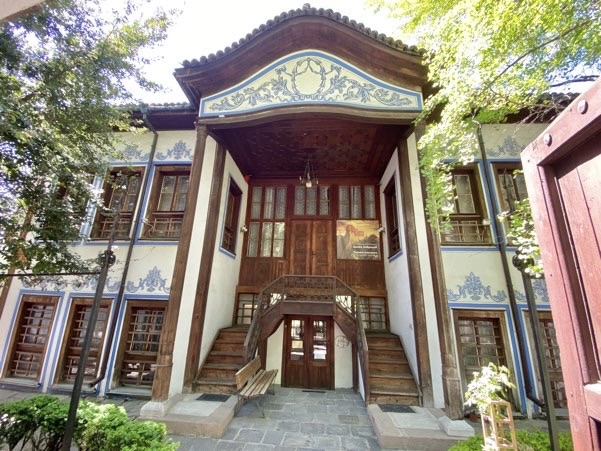
Built in 1863 for Nikola Nedkovich, a wealthy cloth merchant originally from Karlovo
Influenced by European Classicism, the inside is all beautiful carved wood ceilings and murals, a definite place where a wealthy family once lived
Surp Kevork – The Armenian Heart of Plovdiv
I wasn’t expecting to stumble across such a strong Armenian connection in the middle of Plovdiv!
An Armenian Apostolic Church, its also a community centre and school, St Vartanants
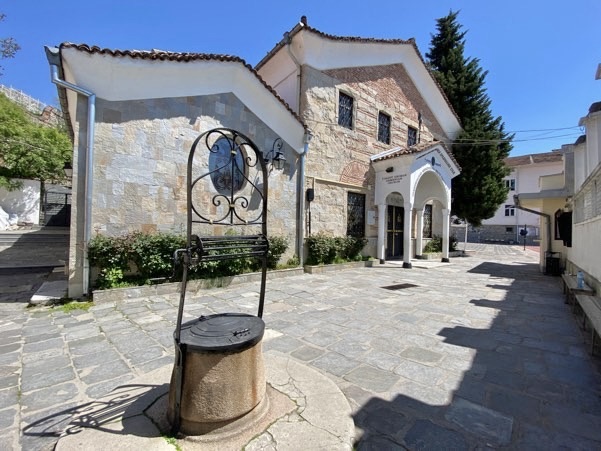
Armenian flags in the playground and pictures of Armenia on the walls and plaques made out to Armenia and Armenian people – the church was closed 😣
There is a crypt underneath the church which I would have loved to see!
It houses a collection of crosses, chalices and handwritten bibles, some of these were brought over by Armenian refugees in 1920-22
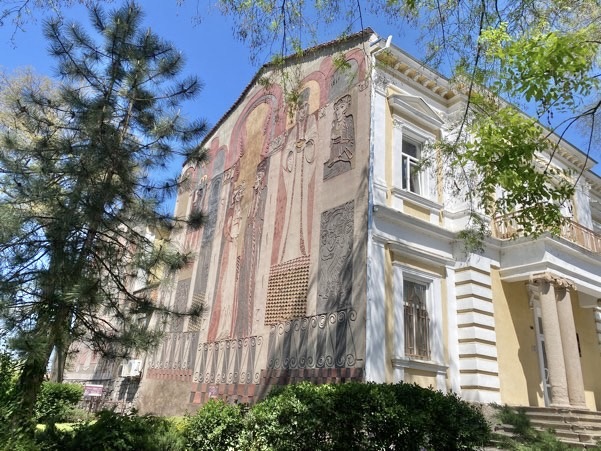
The ornate etchings on the side of what looked to be a music school
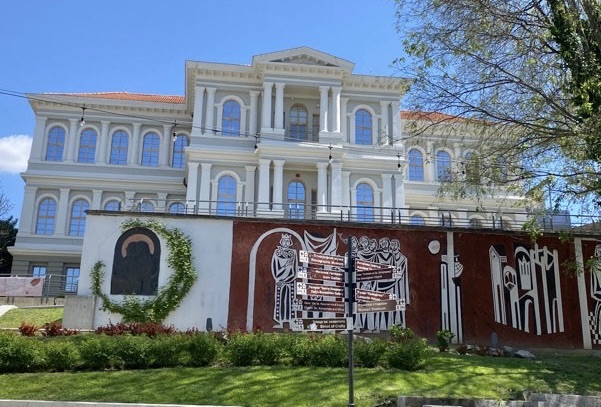
main building of the Academy of Music, Dance and Fine Arts
Established in 1964 specialising in music, dance, fine arts and Bulgarian folklore
Knyaz Alexander I Street ~ Walking Through the Heart of Plovdiv
This street is known for being one of Europes longest pedestrian shopping areas
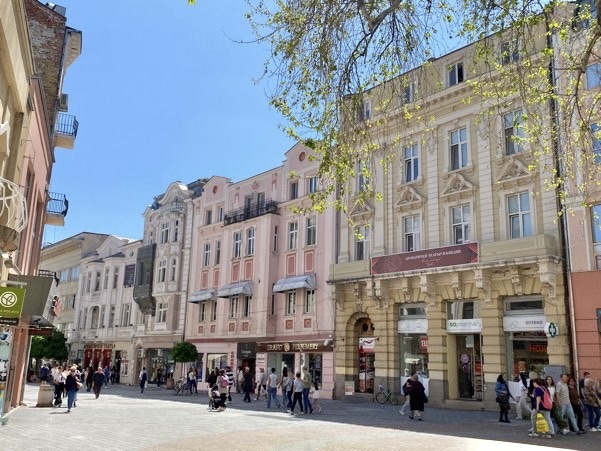
The buildings lining the main shopping strip in the newer part of town are beautiful and colourful!
I loved walking along this main street, so vibrant and people enjoying the sunshine and the atmosphere
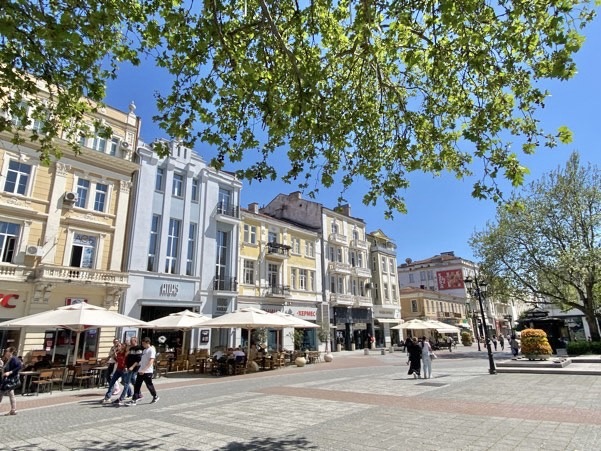
Knyaz Alexander Street is the heart of the modern central Plovdiv and lined with colourful buildings and people walking around shopping or chilling at cafes or restaurants – I really enjoyed this street
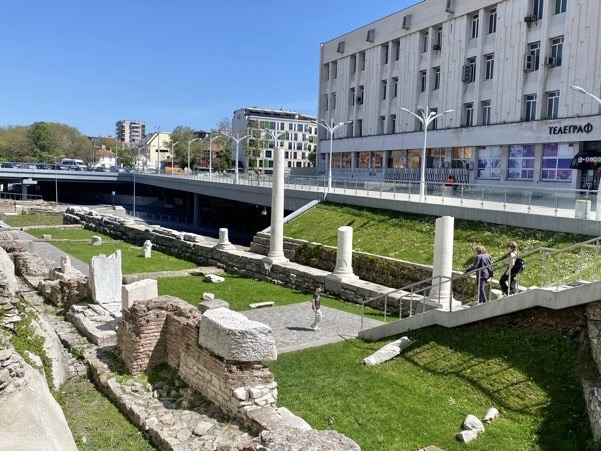
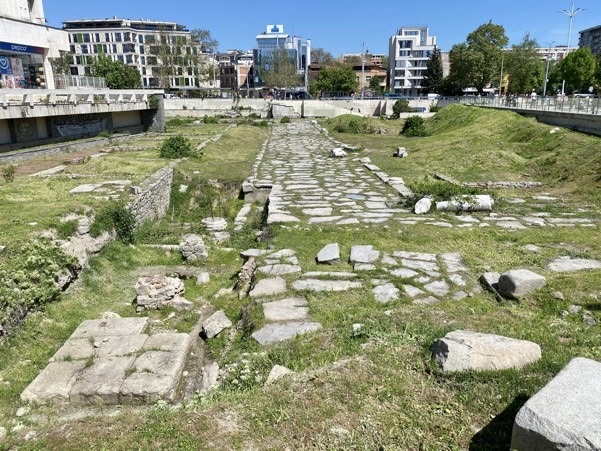
ASEN’S FORTRESS ~ Medieval Ruins, Mountain Views & One Epic Climb!
Asen’s Fortress sits regally over a rocky ridge above Asentisa River in Rhodope Mountains
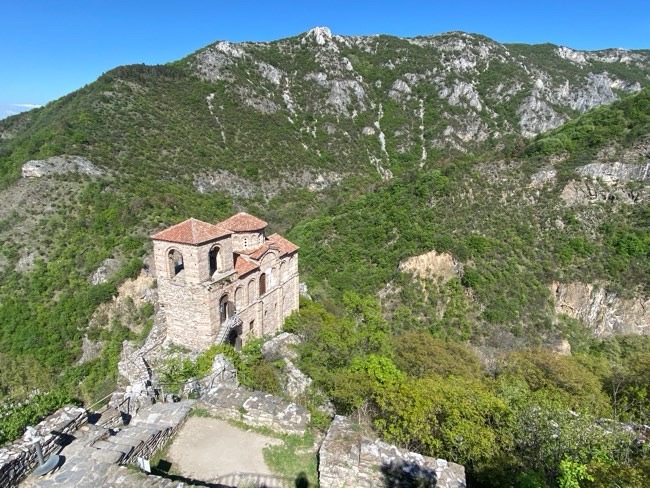
Said to be a fortress here since Byzantine era, its here to guard an important route through the mountains towards Aegean
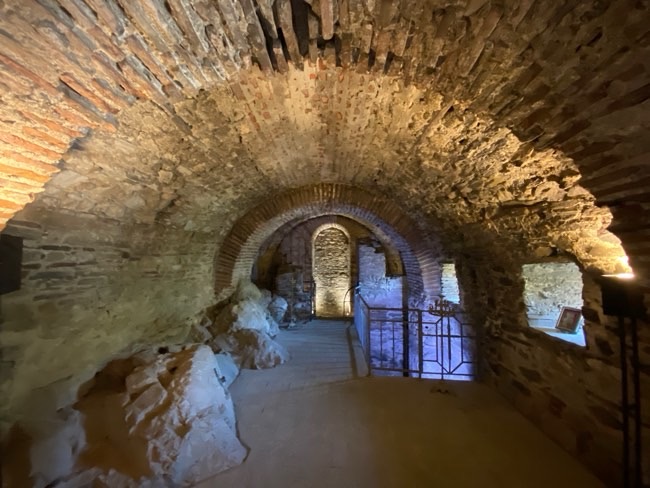
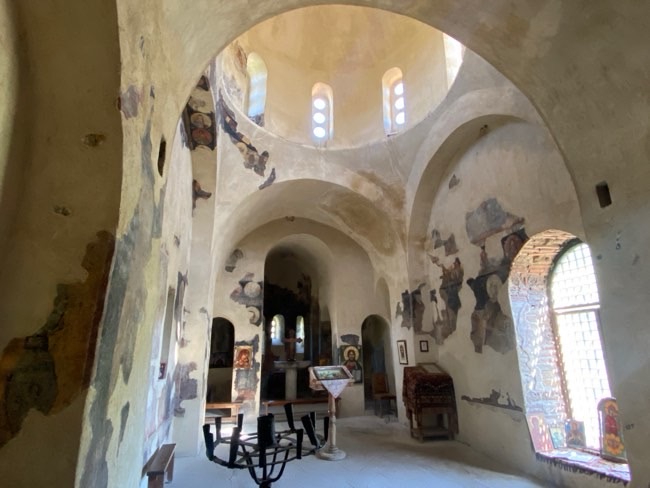
The newer looking top floor of the church with the coloured frescoes, some remaining
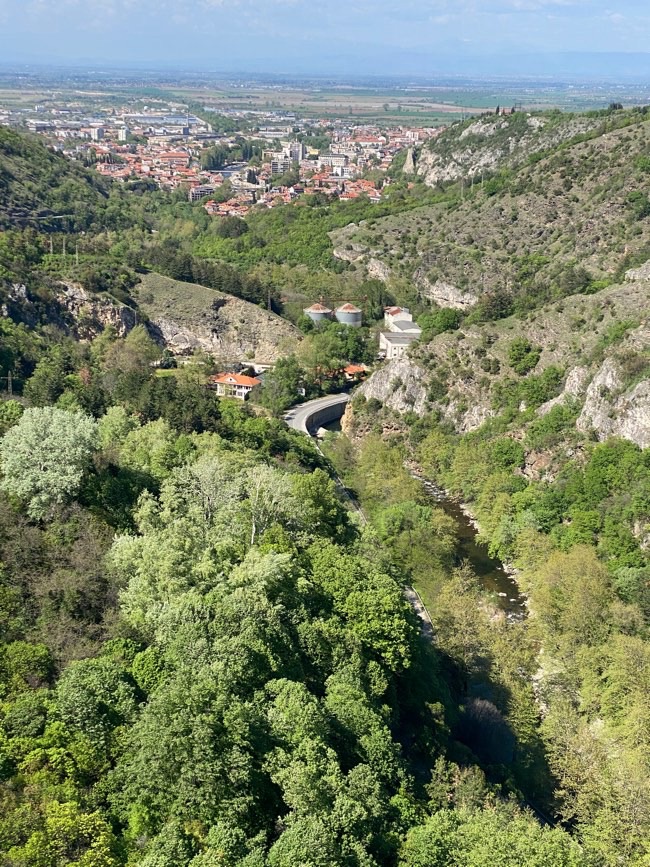
All in all what an awesome day! Well structured and glad that we had our own time to walk around Plovdiv because there was so much I wanted to see!
I recommend this trip and to see Asens fortress as well, its access is with a lot of steps but its really worth it for the location and the church photos
A great day trip from Sofia and wasnt with a large bus so felt like a group of friends
24APR25


Great read Jazz. And gorgeous photos.
Sherran
Get Outlook for iOShttps://aka.ms/o0ukef
LikeLiked by 1 person
Thanks So much for reading and commenting Sherran! 🙂 It was an interesting place to explore, there is so much out there and every city has its own vibe and culture its so interesting!
LikeLike