
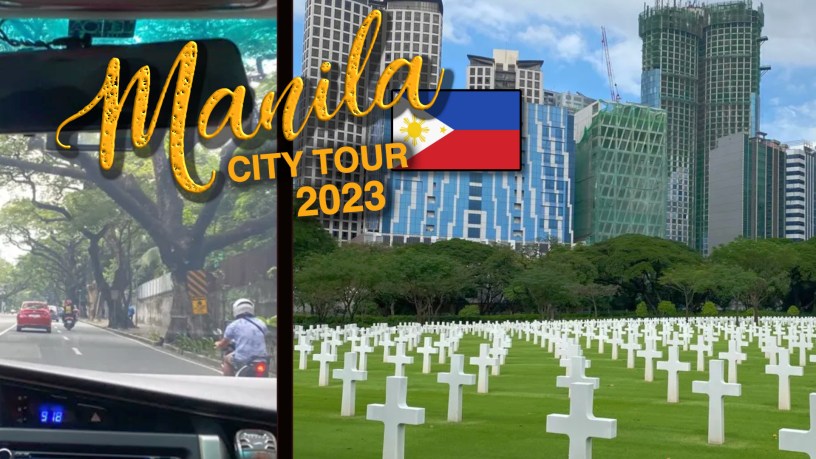
We had our own driver for this one and we drove around some of the areas of this HUGE city! We wanted to see as much as possible and released quickly how huge Manila is and that we wouldn’t get to see too much lol
MANILA (a really short history!?)
According to the history books… here we go…
1571-1899 – spanish occupation
The city of Manila established by Spaniards in 1571 has such a colourful history with American rule, Japanese rule
The spanish first landed in Visayas before heading to Manila, the central seat of power at the time before Spanish arrived was at Cebu and called the “Kingdom of Cebu” who had strong trading routes with outside countries
There was also the Kingdom of Ma-I who had trade routes with China as far back as 972bc
Islam was first established in the Philippines in 1380 when muslim traders arrived
Manila suffered under the Spanish rulers but also saw a development of cultural heritage which was influenced by the Spanish
1902-1935 – American occupation
In 1896 there was a nationalist revolution but this didnt last long as the Americans came into the picture, the Spanish sold off the Philippines for $20m to the Americans – “Democracy” was slowly introduced
1941-1944 – japanese occupation
Japanese occupation happened during WWII but again the Americans took control and Philippines suffered again, the city was bombarded with bombs trying to drive out the Japanese, people lost their lives and buildings were destroyed
1946 there was the restoration of independance and democracy was restored
THINGS I LEARNT TODAY…
115 million population in philippines in Manila alone 25 million population
The Flag – if they have it upside down on a mast, it means they are at war
Philippines are mostly catholics – 20% muslim in south
“Number coding” Number plates – specific number plates allowed only on certain days to enter the whole metro manila – “unified vehicle volume reduction program”
Weather – 22 typhoons a year – many earthquakes as well the last being 4 days ago! – fires and flooding is normal here too – (our driver explained that Filipinos are used to disasters and are very)resilient because of this reason
“Intramuras” – means inside the walls refering to the old town
Government are returning land back to the Filipinos now, those that were taken away
Covid – Lockdown for more than 1 year – food via delivery – can go to market once a week – local government would give food aid delivered to their homes – a lot of ppl died because they couldnt go to hospitals
Local Food – Adopo – local traditional food / bangus national local milk fish
Elections – 24 senators and 220 congressmen representing all provinces – past election is in history as it was the biggest winning margin against the losing candidate our guide believed it was due to clever marketing and ads and $$
Out of the top 20 richest in philippines, 18 are chinese / 1 is spanish / 1 is filipino
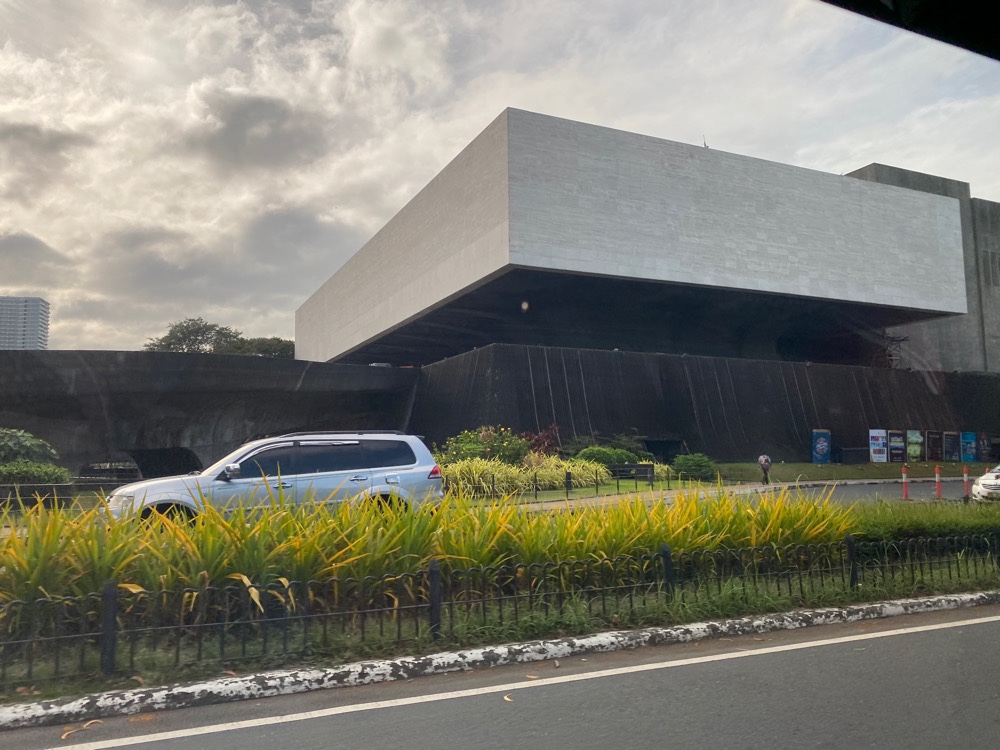
Cultural centre of philippines
A government owned and controlled corporation to preserve and develop arts and culture in the Philippines in 1966 by Ferdinand Marcos, the recieve annual subsidy from the government
COCONUT PALACE
Again another building splurged and built by Imelda Matcos is the Coconut Palace
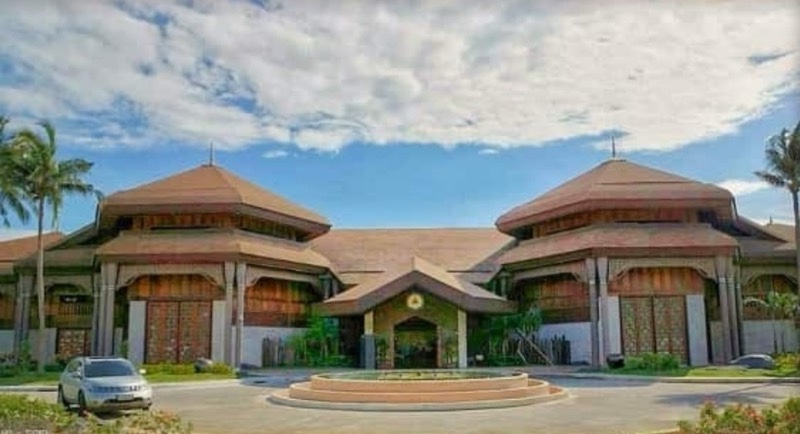
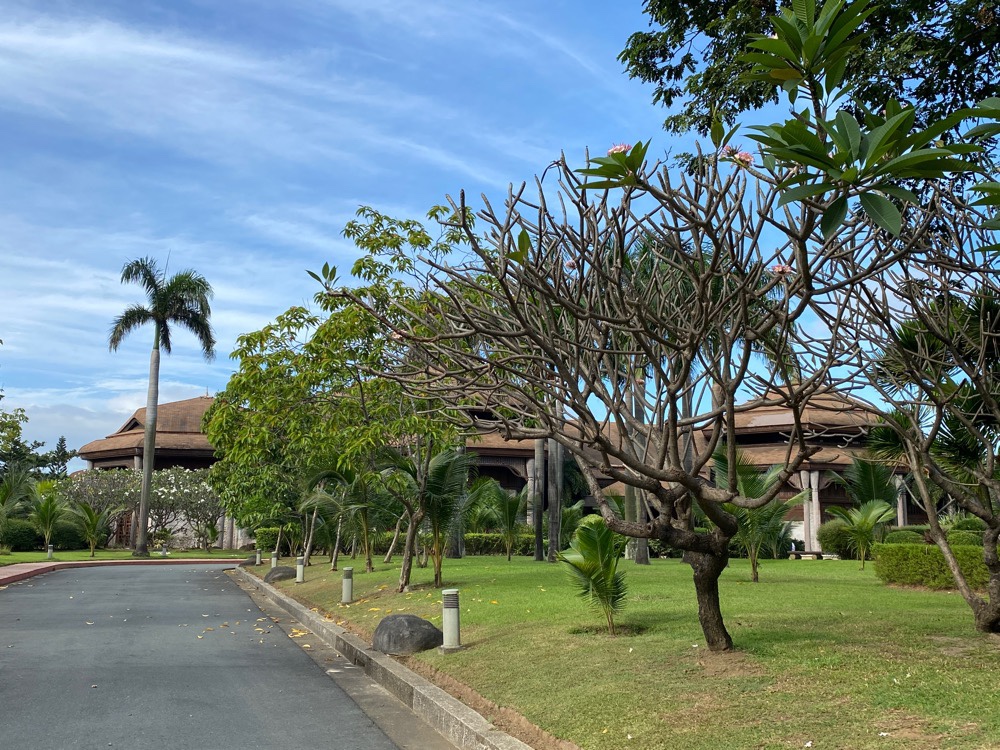
Now deserted turning into museum
Was built in 1978 as a guest house for Pope John Paul II for his papal visit in 1981 – the pope described it as too opulent and stayed in a simpler residence
This is from an article I read online about why Marcos built this palace:
“It doesn’t mean that if you’re poor, you cannot be beautiful,” began Marcos.
“I told the people in the provinces, ‘How come our country is a paradise, and your houses are so ugly? Can’t you do something about it?’ and they said, ‘Oh, Mrs. Marcos, we are so poor, all we have are coconuts and bamboo.’ You know what I did? I did a bamboo mansion and a coconut palace,” recalled Marcos, with an air of pride sorely bereft of a grasp on reality.
This is the type of “leaders” we have had that have made the world the way it is… Marcos’ infamous “I did a bamboo mansion and a coconut palace” is the Philippines’ version of France’s “Let them eat cake” or Paris Hilton’s “Stop being poor” shirt.
1986 over 2million ppl marched in manila and protested the family and the Americans had to intervene and took the Marcos’ and exiled them in hawaii (in sure in opulent fashion with tax payers footing the bill!!) anyway… the family is back into power now with Imelda’s son voted in as Prime Minister
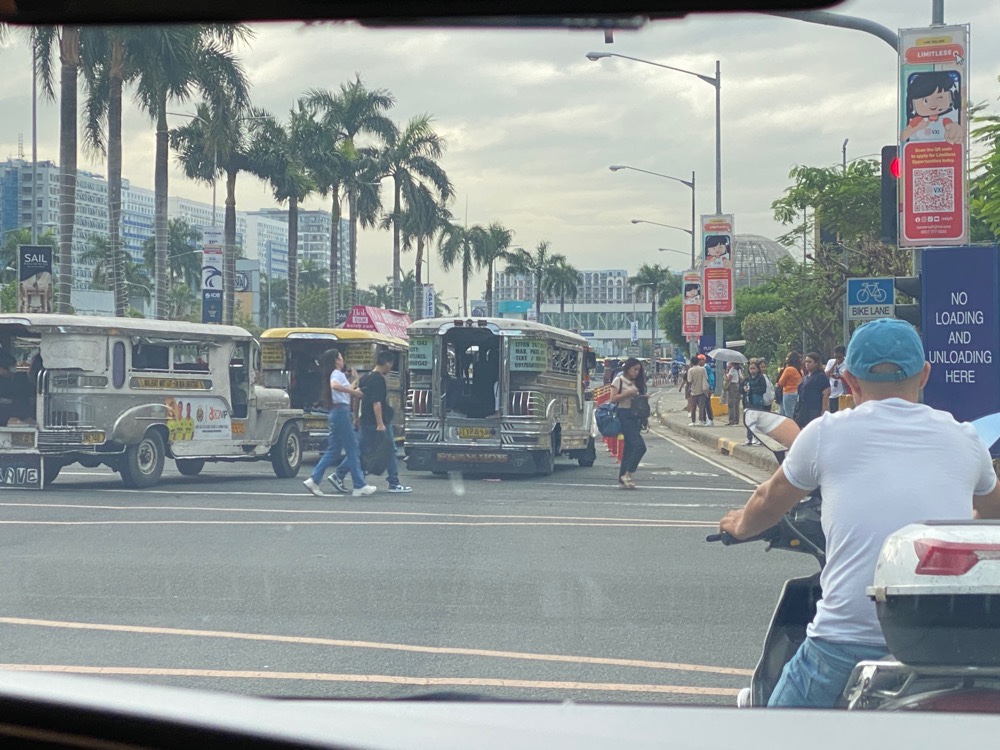
Jeepney buses
MANILA BAY
20min walk along the manila bay mall of asia
This esplanade is known for its beautiful sunsets and where people walk and run and take a bike ride – many locals were taking a relaxed walk and chatting was nice to see
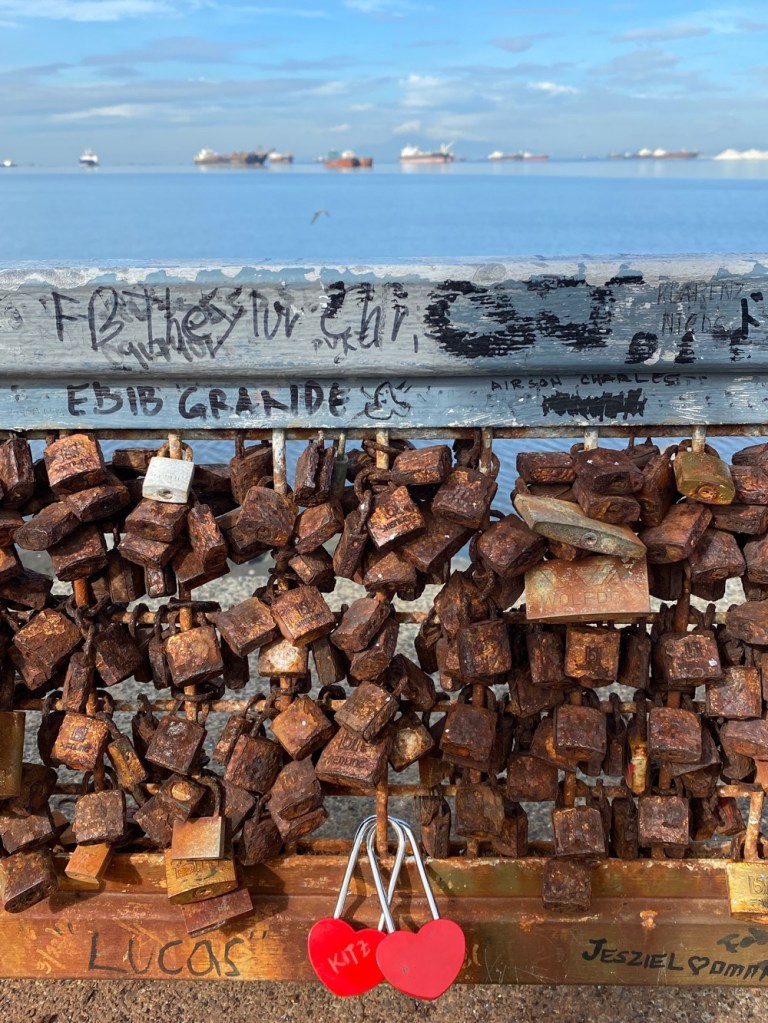
Many cafes and restaurants are around this area and is a 2km length along Roxas Boulevard q
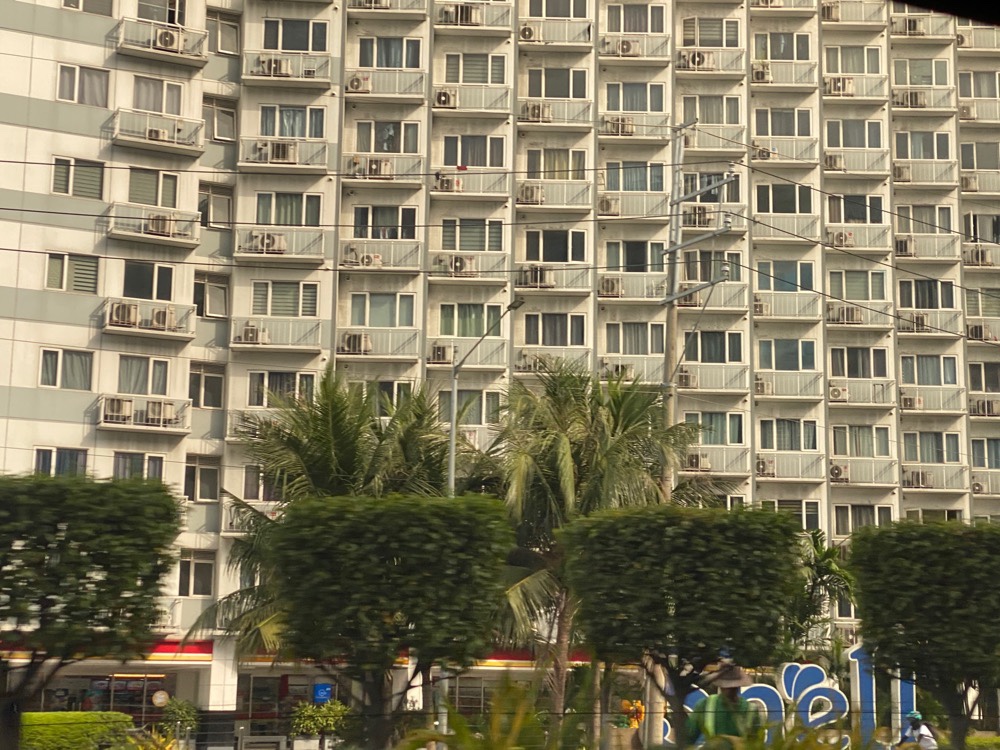
Condiminiums
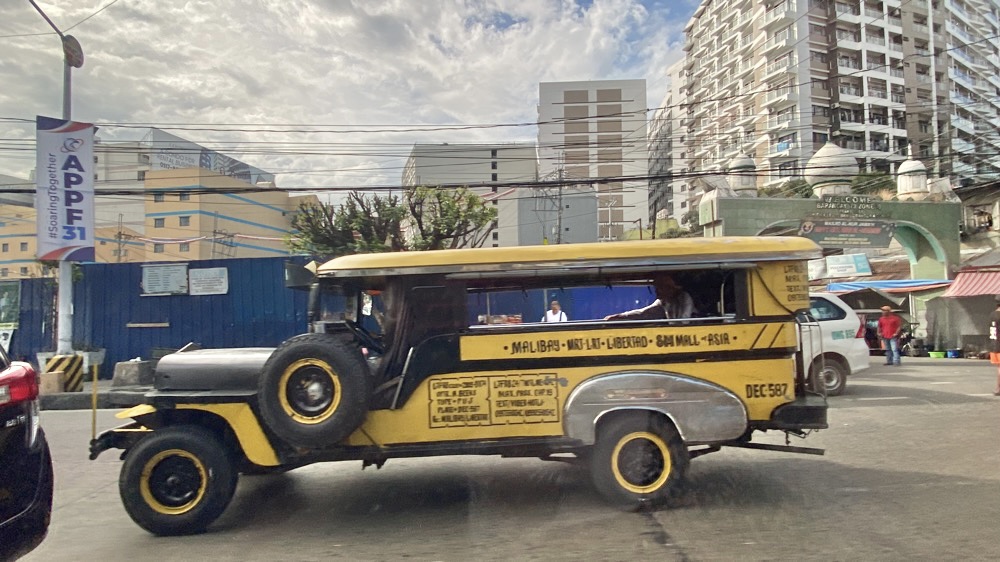
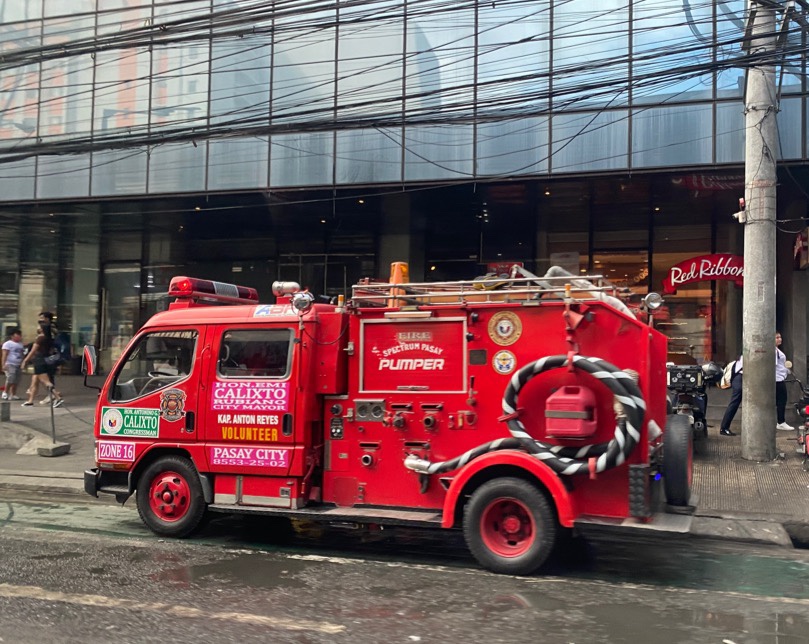
A popular way to travel for the locals is the Jeepney, only 14pesos (40c)
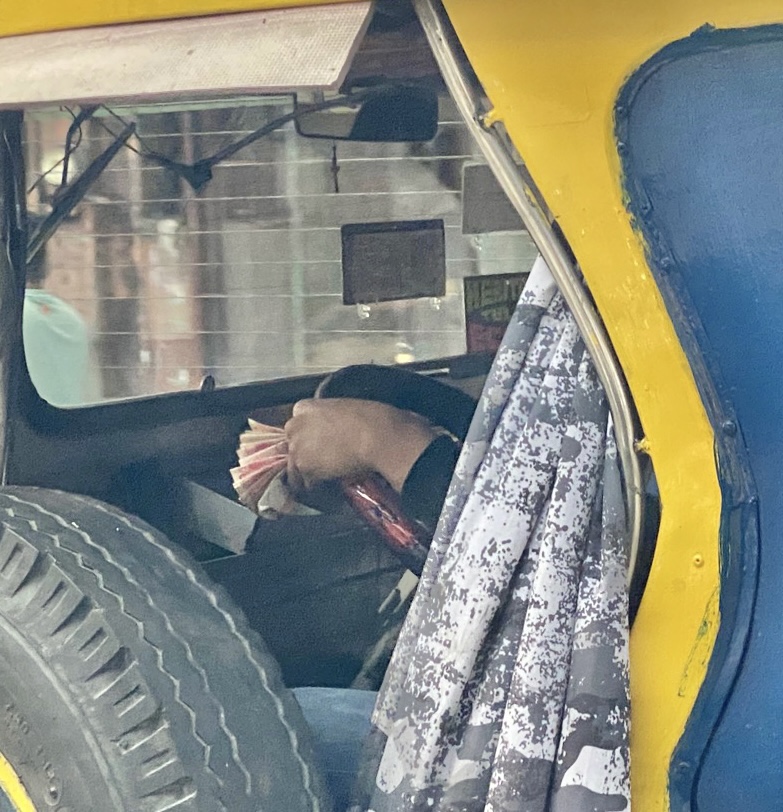
The drivers of te Jeepneys have change ready between their fingers so they can be quick and get going as traffic is atroscious!
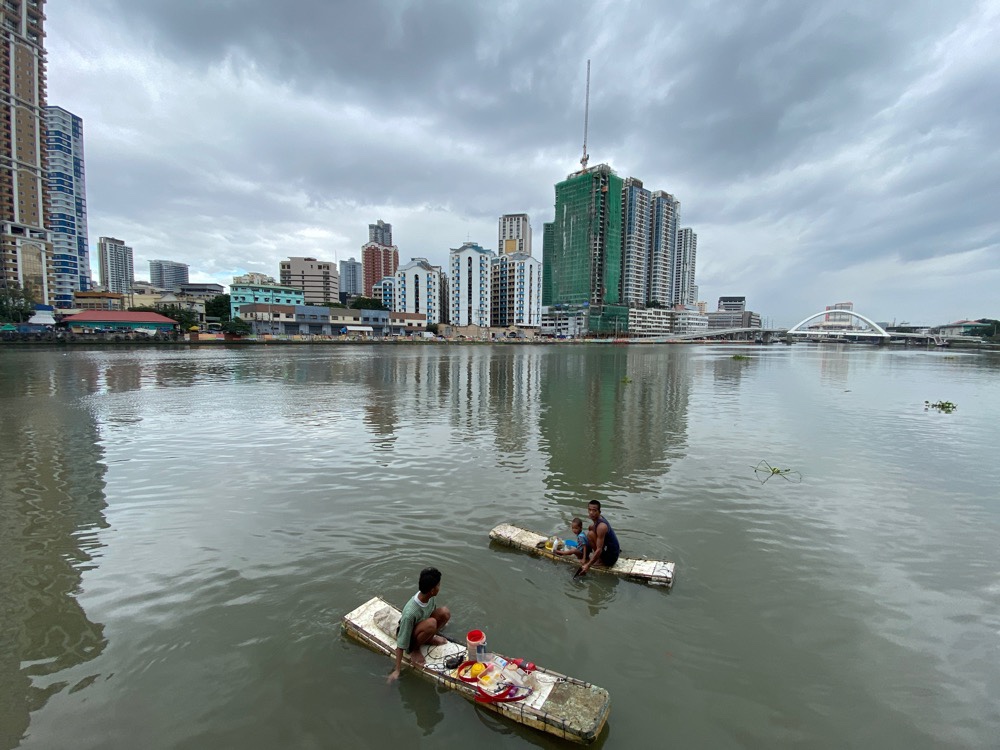
16 different cities – manila is 1 of them – 6 districts in manila – 20million people in manila
Vas Marineas village
Have to have $20m to be even able to buy a property they have their own school and churches inside the walls – looks like the berlin wall
FORBES PARK – rich people need apply only!
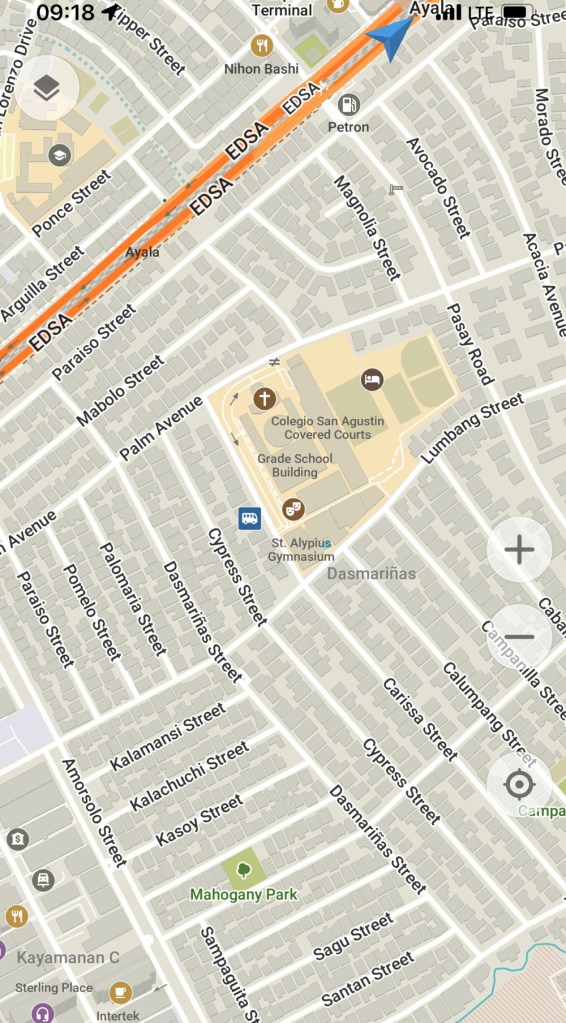
Forbes park – where the billionaires and mylti millionaires live
There is a blatantly obvious divide between rich and poor here. According to the people I spoke to, there has never really been any rules applied to housing so the poor who come to the city make their homes with whatever materials they can find, these are the slums, haphazard housing in random areas and due to nothing been created by the government or some sort of system, the rich have literally fenced themselves into HUGE areas and posted security to stop the less fortunate coming into their lives – the walls remind me if the walls I saw around Palestine and the Berlin walk, concrete, grey and sad and divided 😞
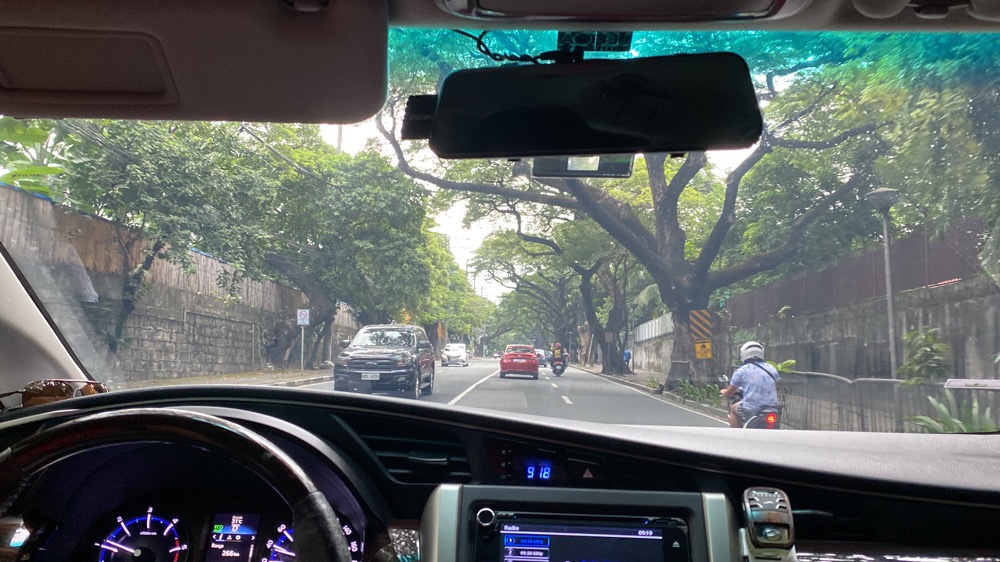
Forbes Park, as I mentioned, you LITERALLY have to be a millionaire to even be able to step foot in to take a look at a property – its so interesting that they live like this and after having a look at my map, its blocks and blocks of streets that are behind the walls
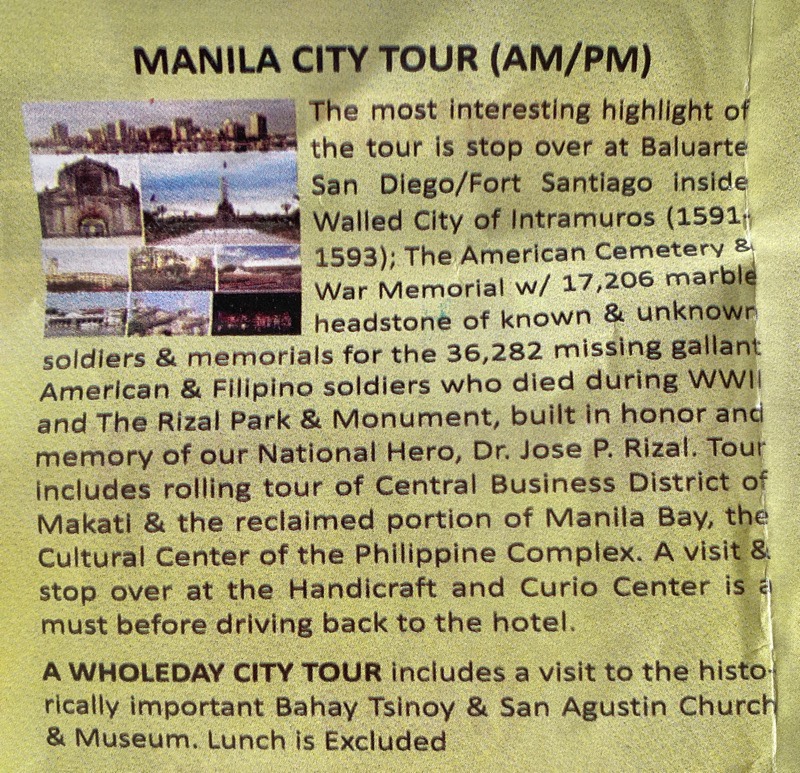
AMERICAN WAR CEMETERY
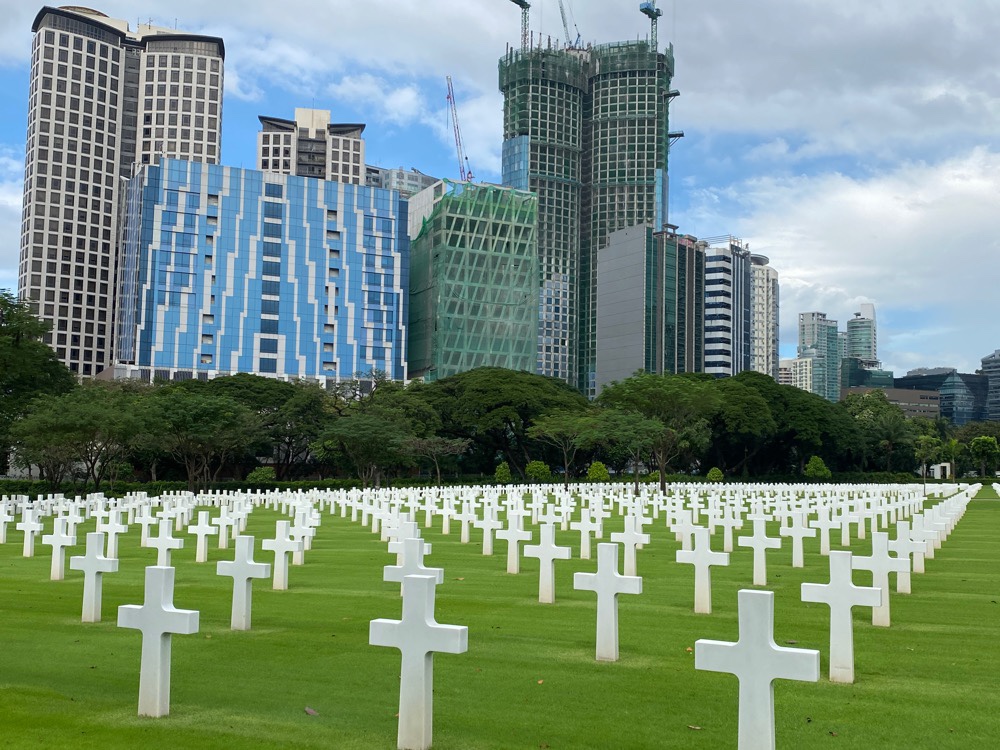
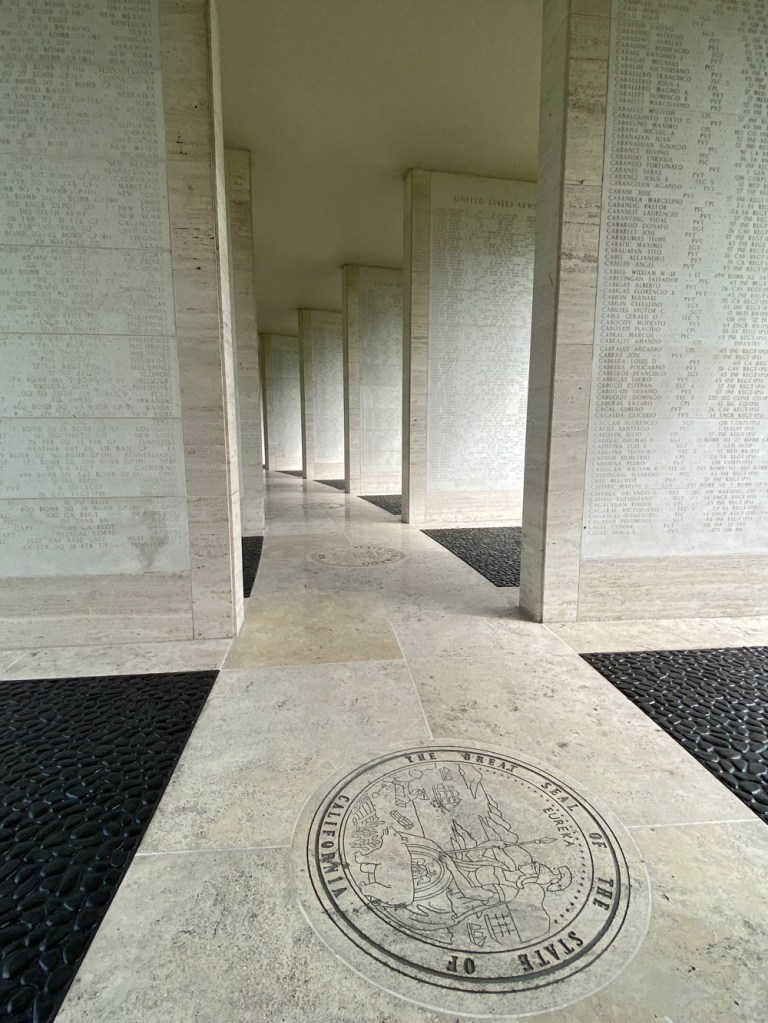
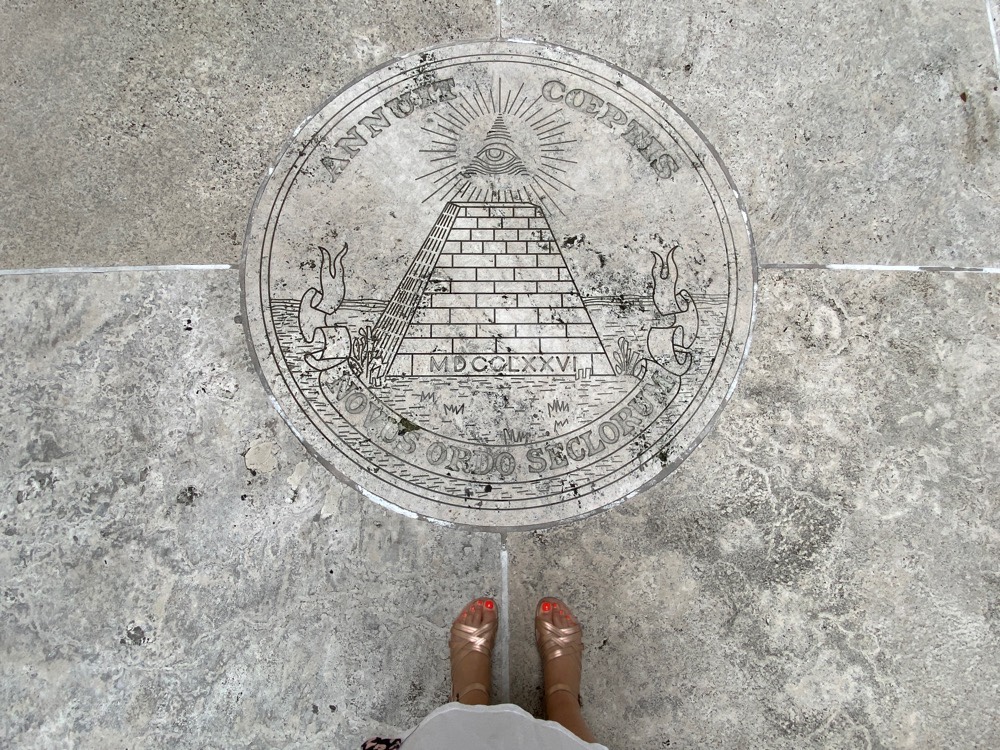
37000 dead soldiers whose bodies havent been found
Call centres is the largest industry here in Manila after India as english is the second language here so there are many large call centre buildings
VENICE MALL
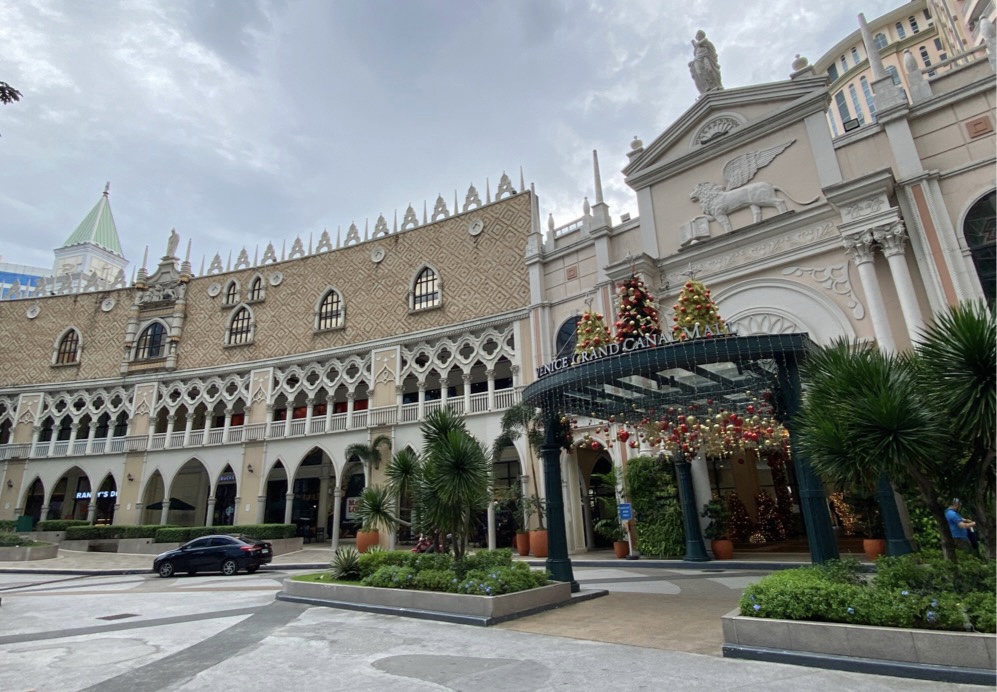
Taguig district where the
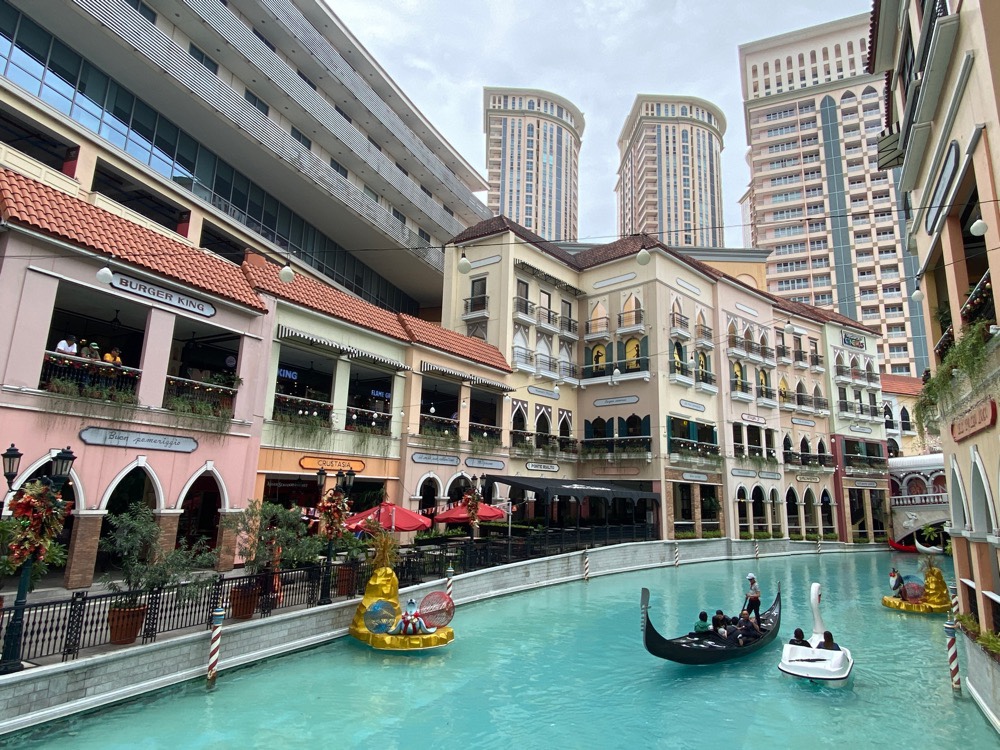
Mckinley Hills Residential Area
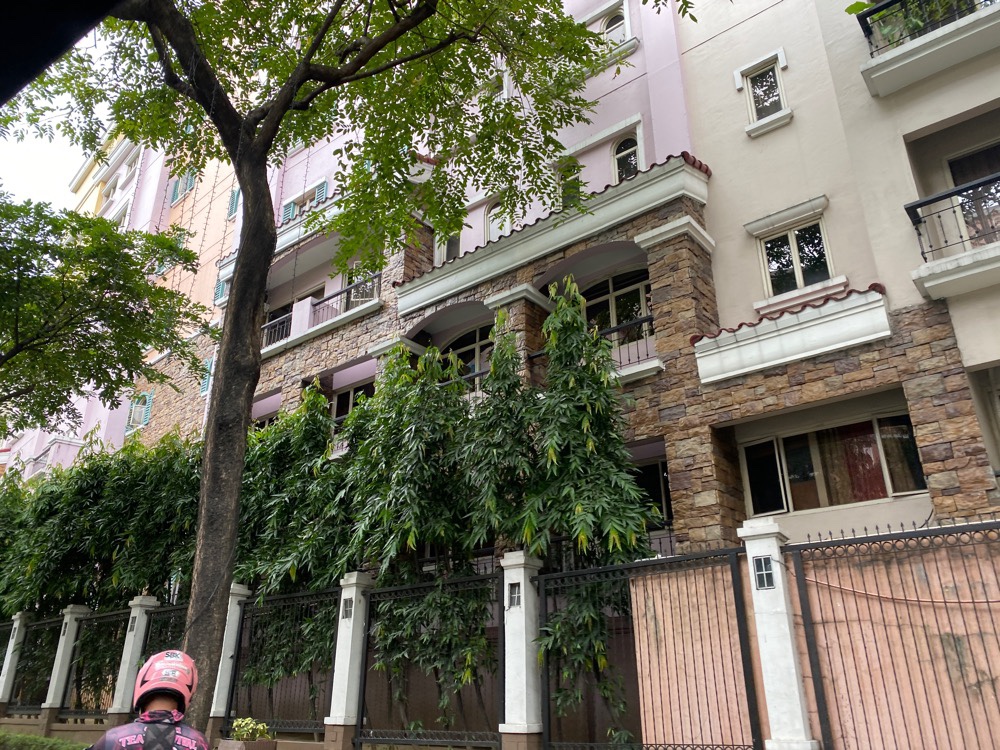
It was interesting to see the Italian style apartment buildings which are in a gated community area
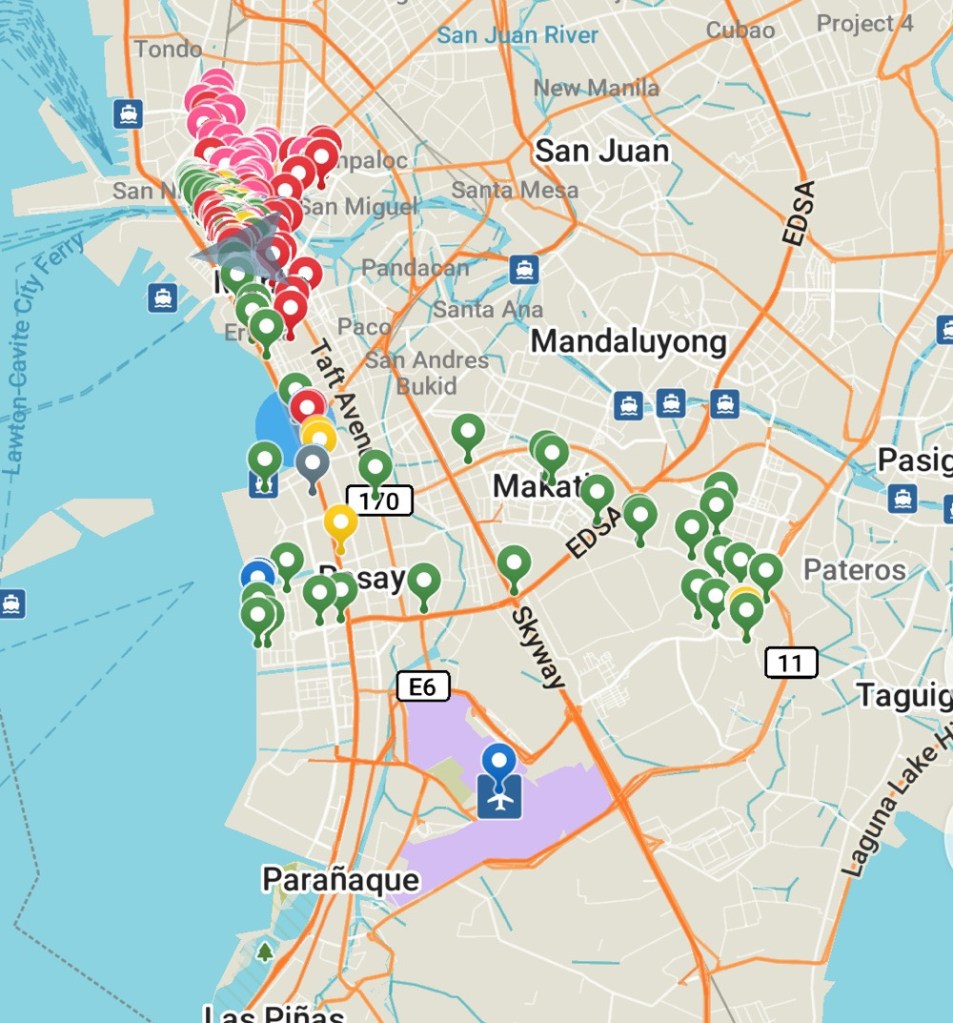
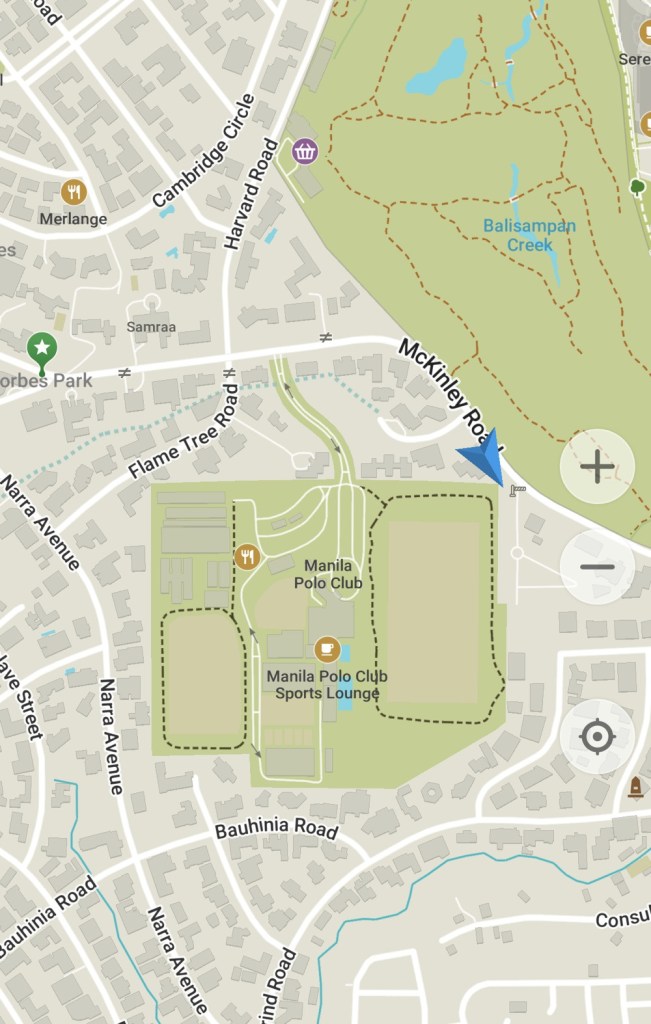
This area is called BGC – bonifacial global city, this is a planned city area and a lot of people from outside who work here now, live here – you can see from the map below how its design and shap is different from the narrow random streets in other areas
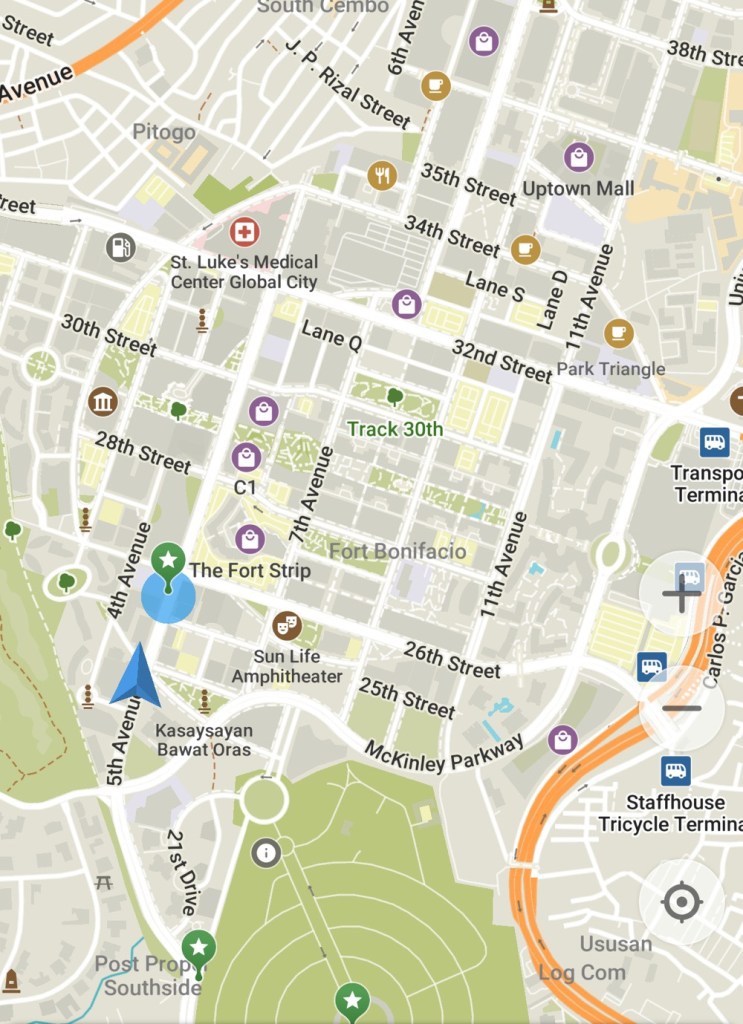
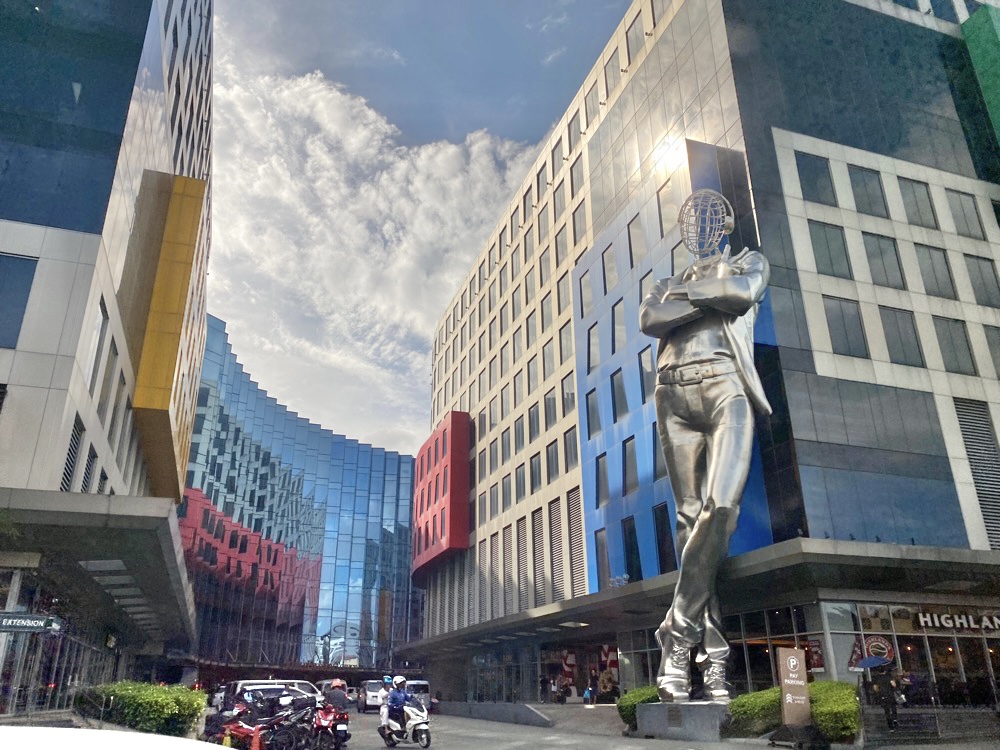
Many modern office buildings in this area, very different from the old town we were staying in
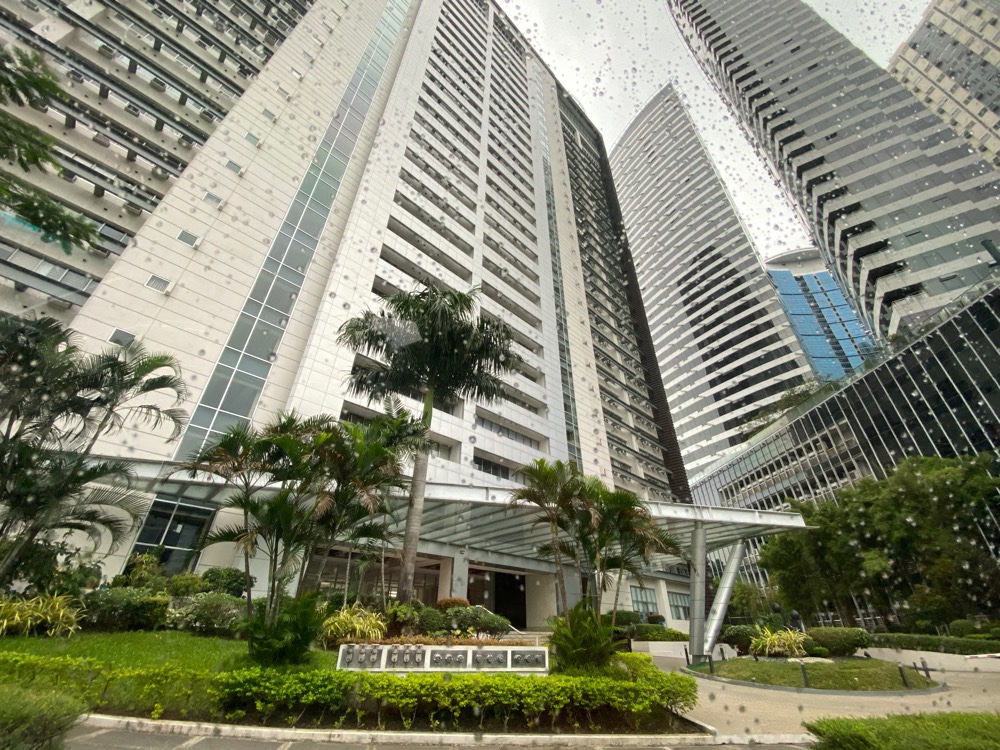
The new buildings in the new business area – Makati is one of the richest areas – many tourist here
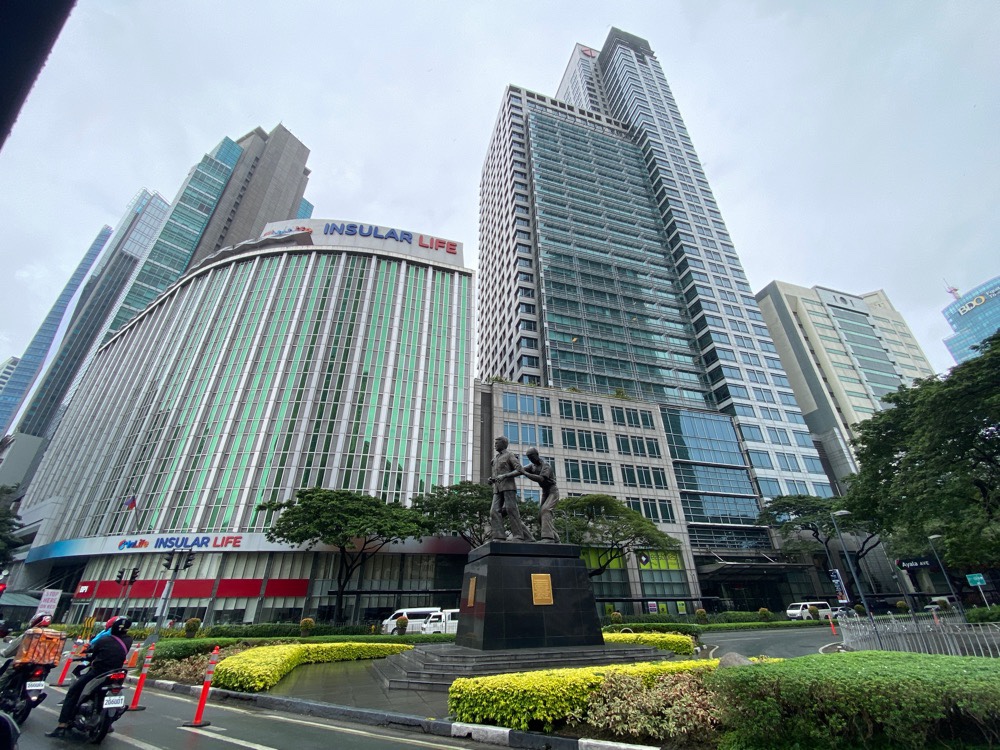
Maraki
Formerly a swamp area, mosquitoes are famous here – Maraki means “itchy” 😆
NO WAY I can live here just because of this reason lol
Governors palace
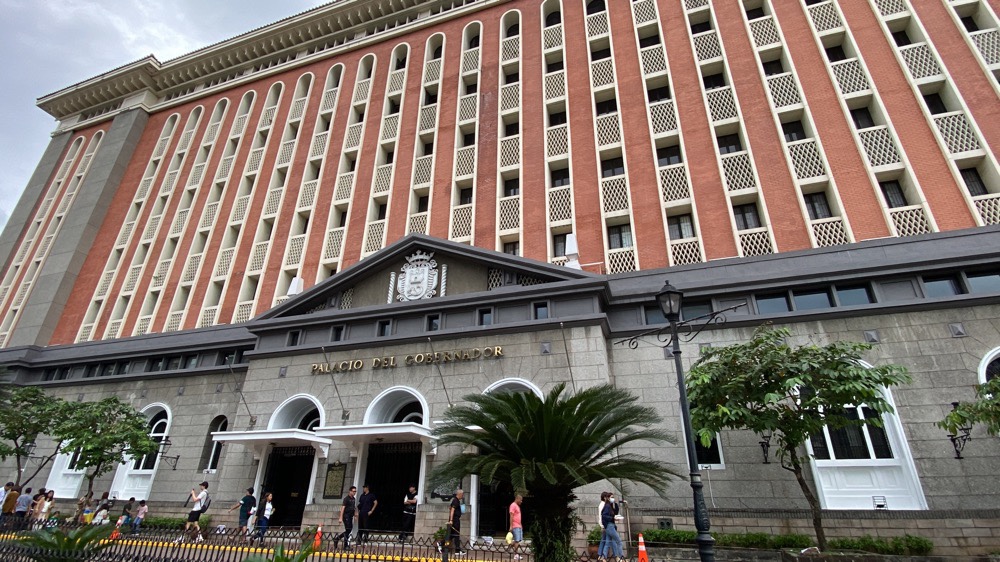
Chinese Museum – Bahay Tinsoy
Chinese presence in philippines, since the trade routes there have been chinese presence and partnership
When the spanish conquered the lands, both chinese and philippines worked under the Spanish crown
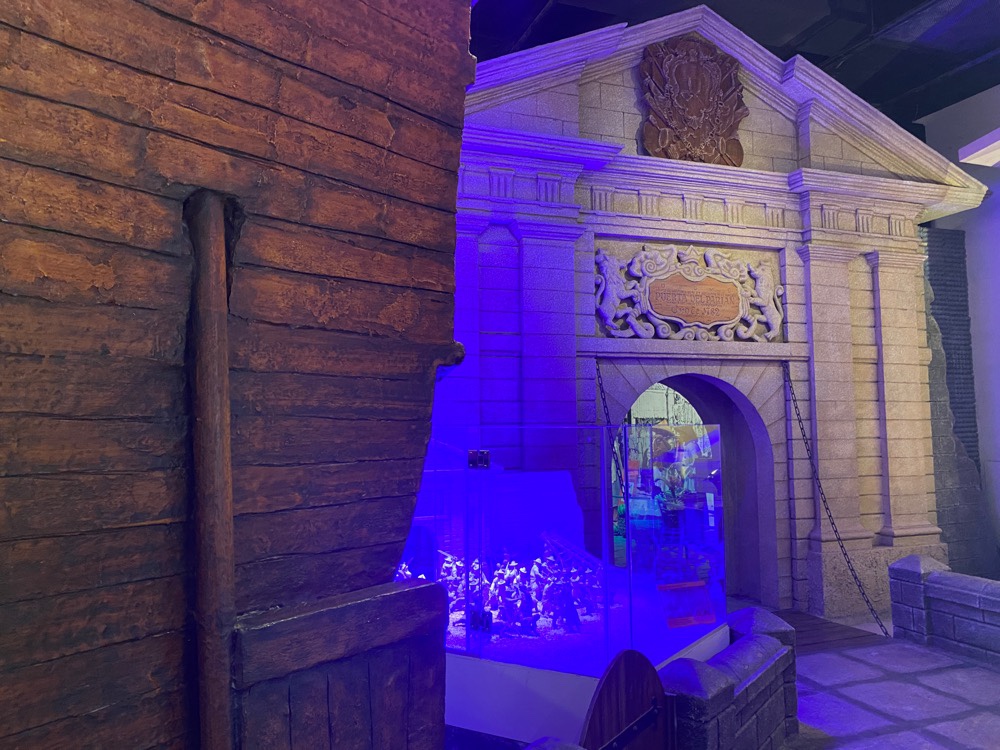
They say that the spanish colonisers sailed farther up north from Cebu where they had landed and colonied further in Maynilad
There was only 150 chinese at the time in 1571 this then grew to 20,000 as many were attracted to the expanding commerce of the spanish and privisioning the settlement
There were anti chinese sentiments by the spanish and they eroded the freindship between the chinese and filipinos and were segregated to ghettos called Parian and taxed heavily and persecuted and bullied
They were regularly massacred and expelled but still the chinese along with filipinos were the backbone of the colonial government
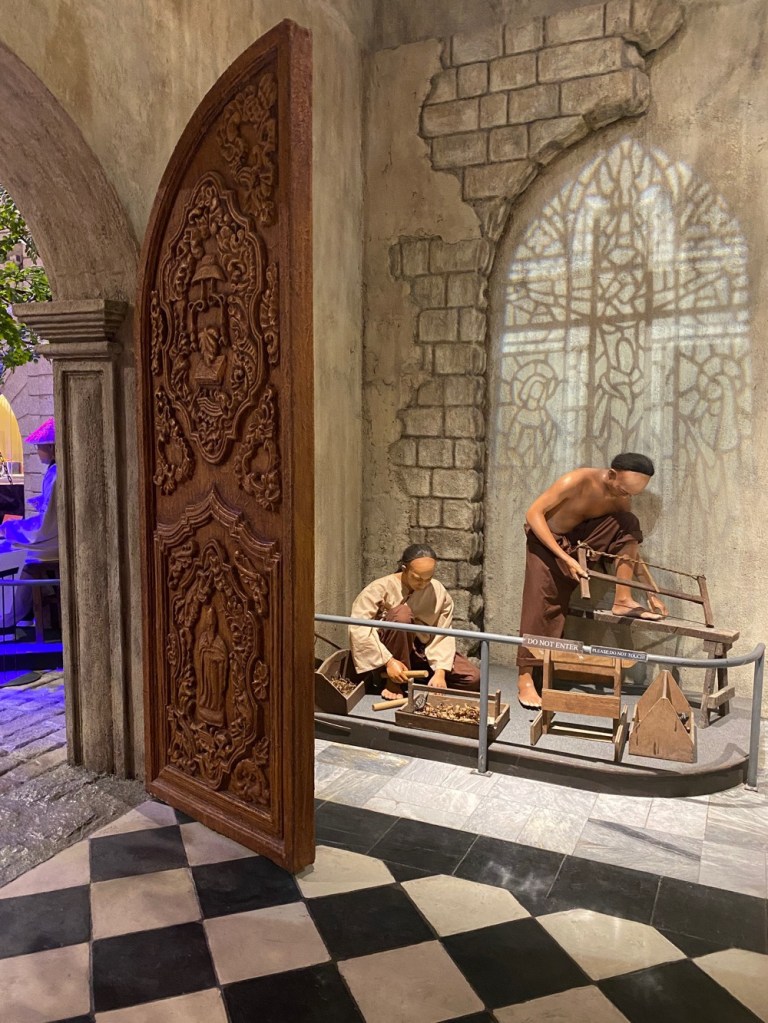
Centuries of oppression was suffered by both filipinos and chinese and they wanted freedom and independence, they would stage sporadic revolts against spanish rule
It was the “mestizos” who changed and shaped this area though, they were the children of chinese-filipino parents who studied in Manila and European universities and who came back to Manila or wealthy home towns and began their fight for political reforms, it was these people who helped this nation reform
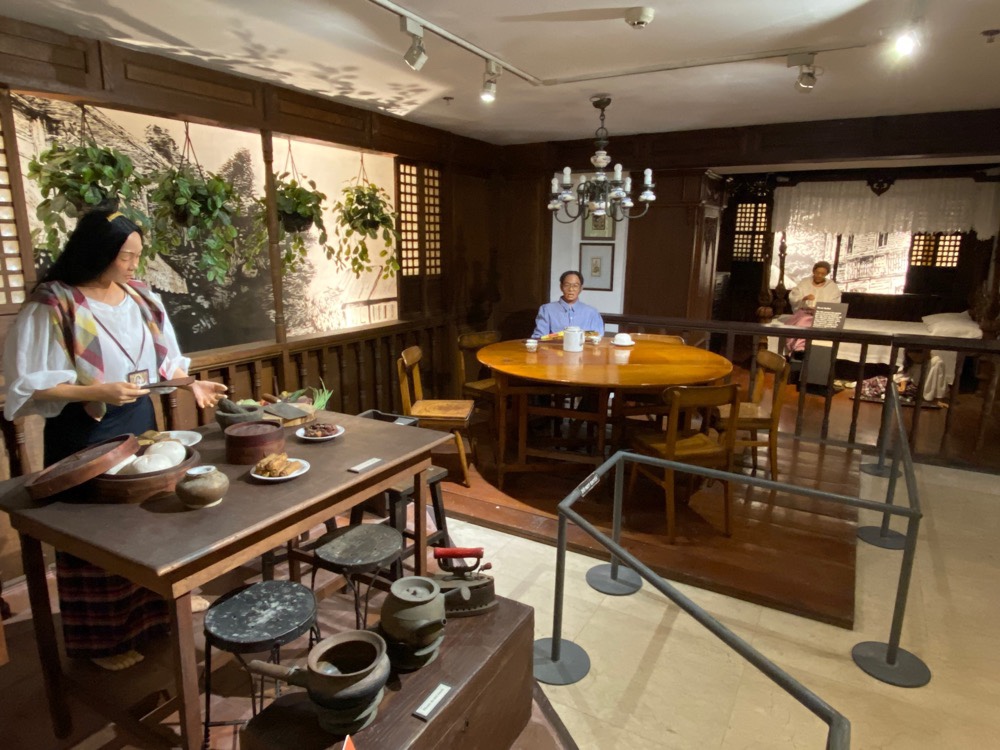
An emergence of an upper class by the mestizos and who fought hard to bring in liberal ideas which were copied from Europe and began to think of national concerns which gave birth to the Filipino identity
The American Regime
This was the start of US expansion into Asia
In 1898, its said that the Spanish just handed over Philippines to the Americans for $20m dollars! Under the treaty of Paris, US planned to penetrate the chinese market with this newly acquired colony
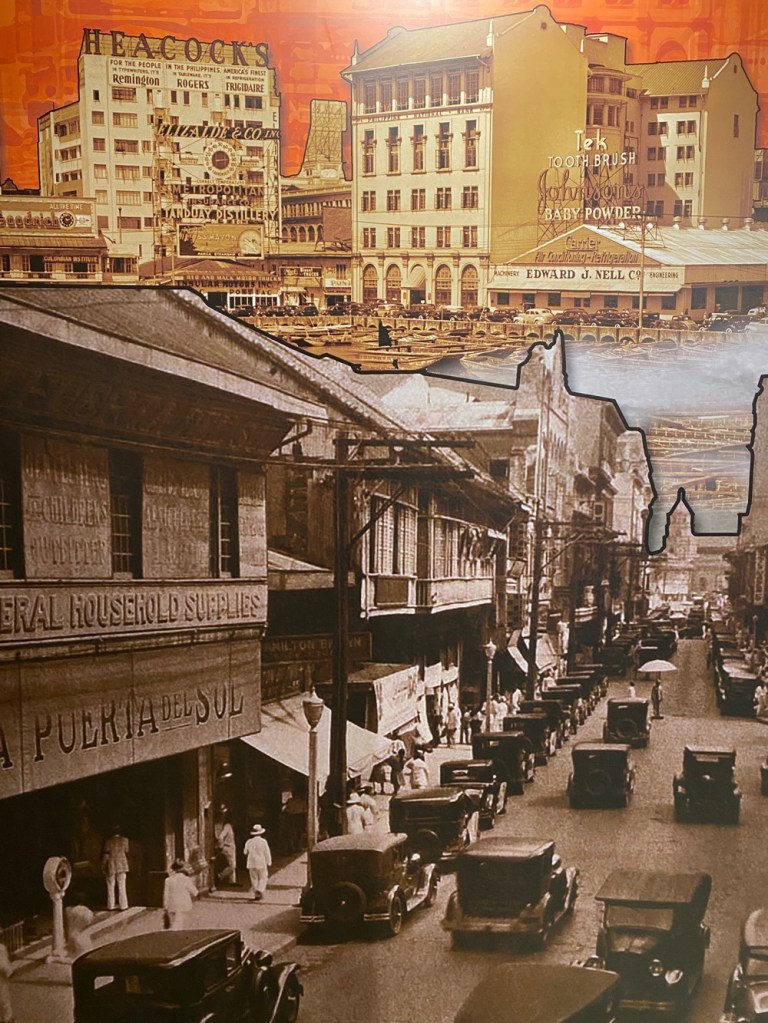
FORT SANTIAGO
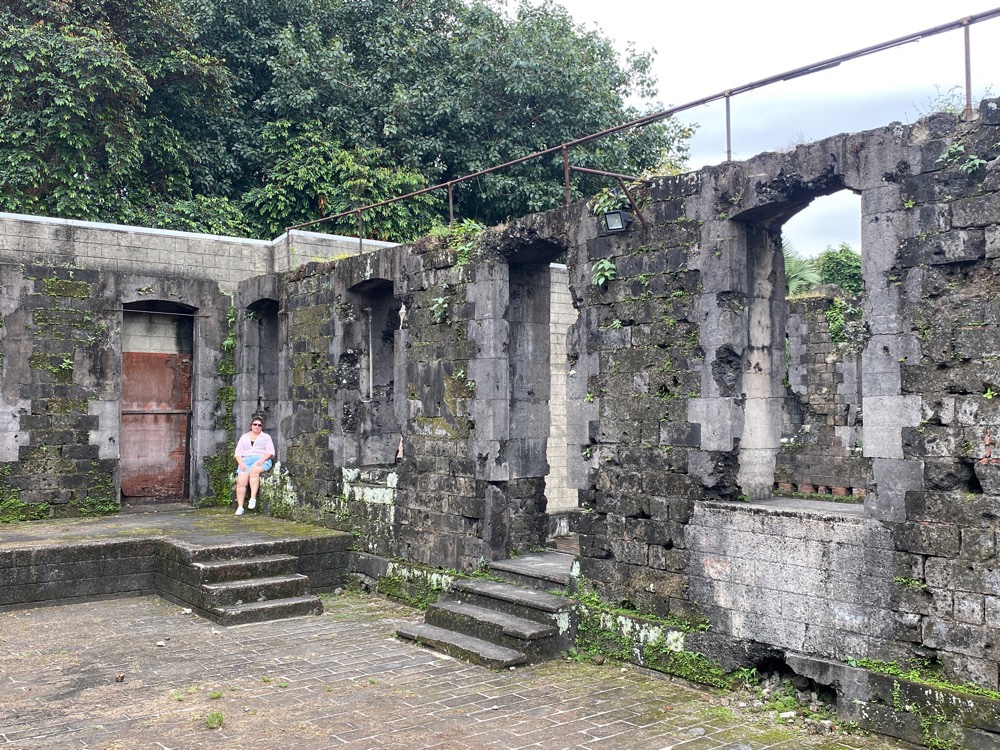
Fort Santiago is a 16th-century bastioned citadel located in Intramuros and one of the oldest walls in the city
Said to be built by the spanish
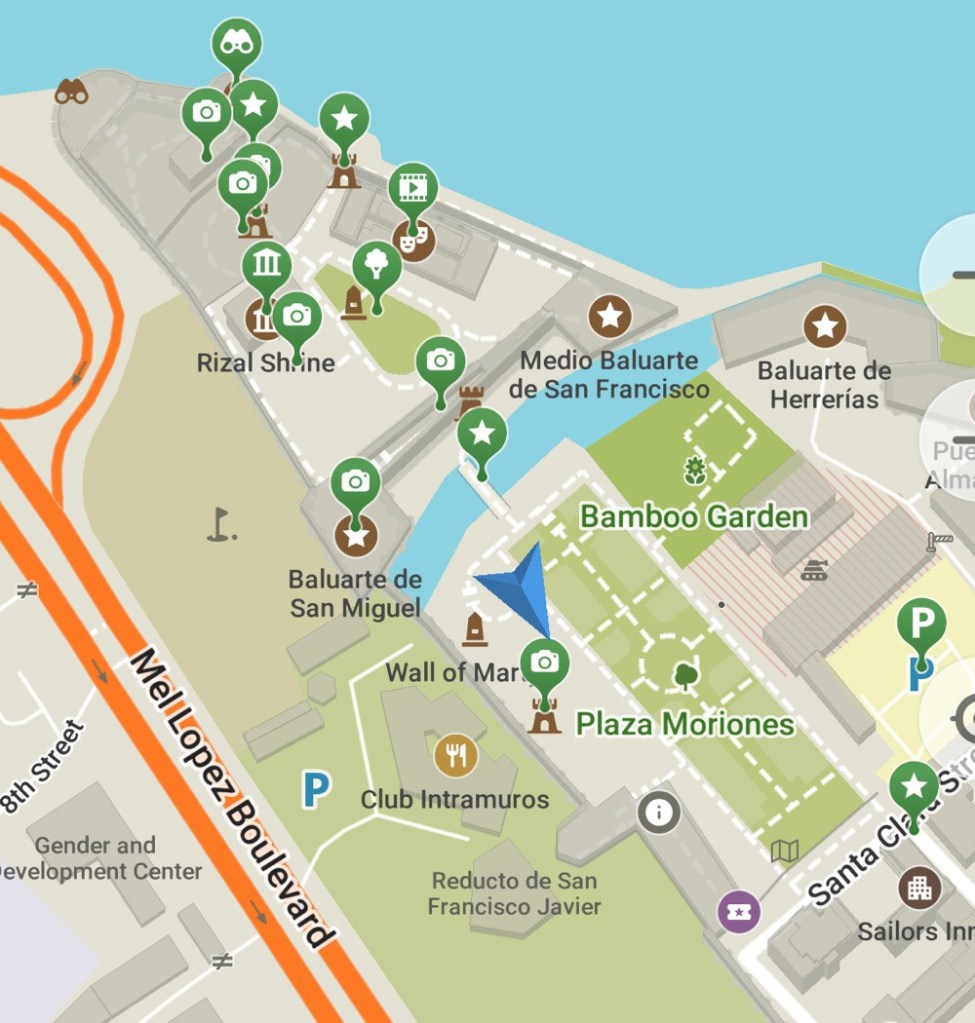
Hideout of the chinese during the war
There were so many ruined buildings in this area
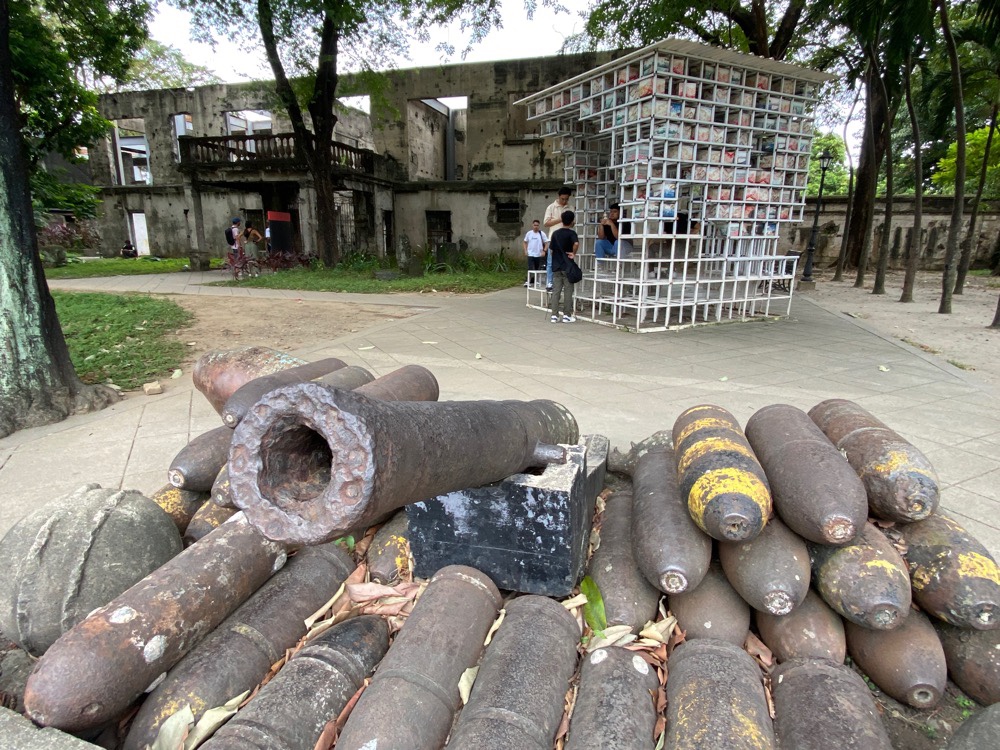
RIZAL SHRINE – Museum
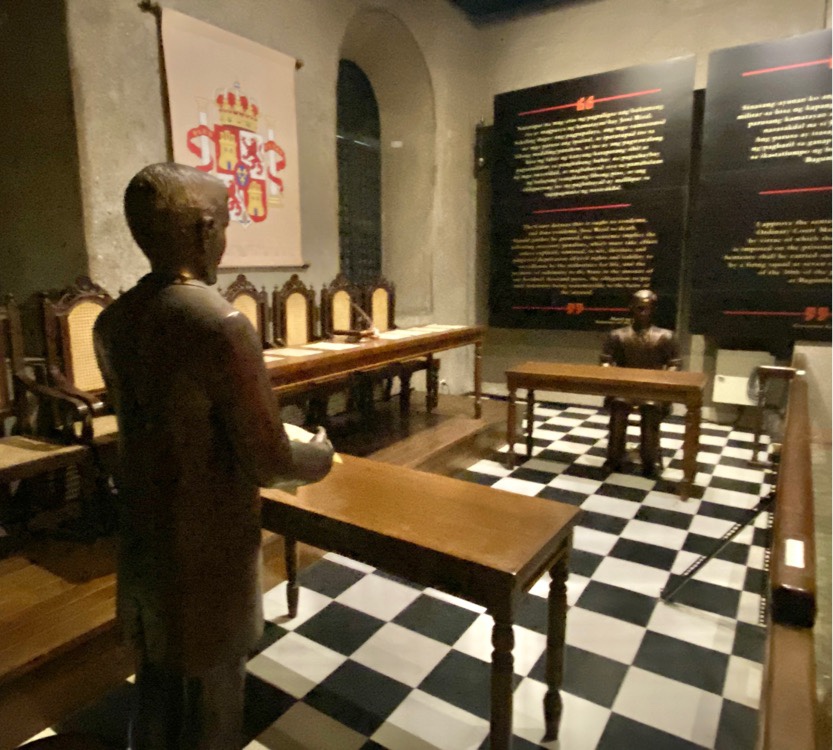
Spanish Barracks – Fort Santiago
Located in the old town Intramuros, it reveals the rich colonial heritage of the Philippines
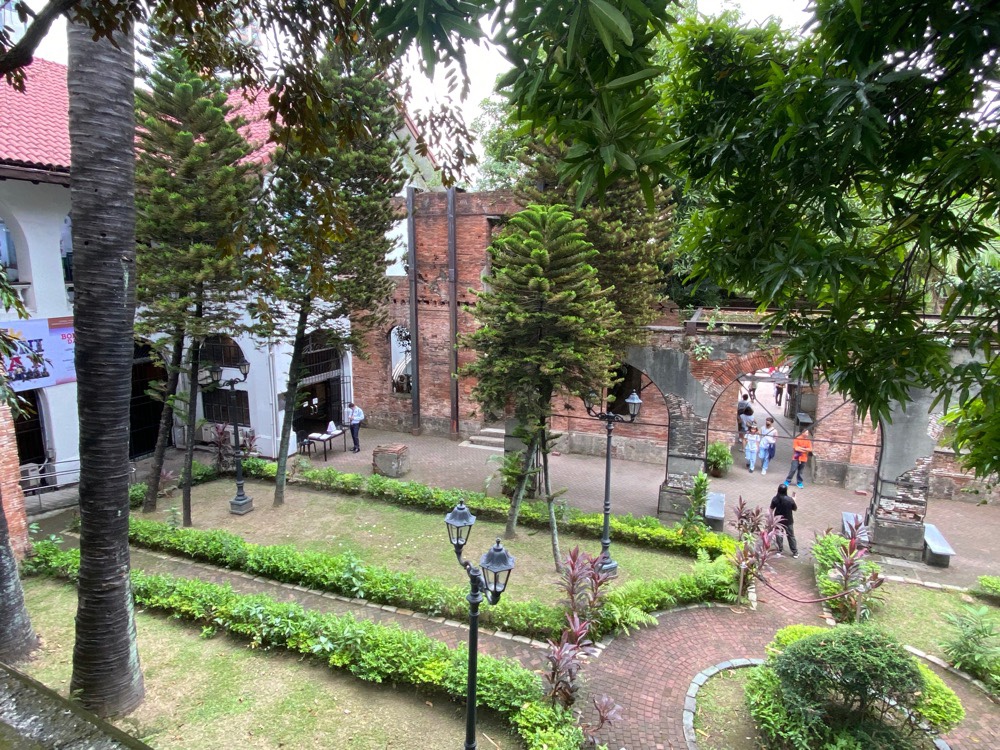
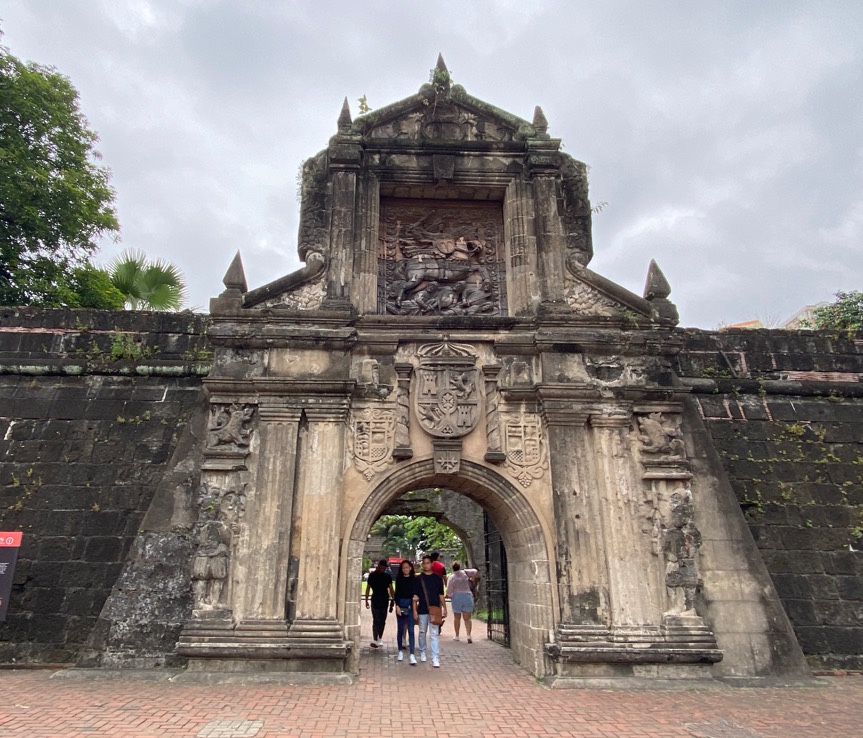
Fort Santiago and the old city walls are beautiful to explore
all in all a great day! Very interesting and very glad I dont live here tbh… not only for the mosquitos, the streets are chaos, the traffic, and its not a walkable city really
We enjoyed having our own driver and guide because this city is just way too big and basically chaotic to be able to wander around and do this with just 2 of us, so this is the best option if you feel unsafe and overwhelmed
These tours arent cheap (as you would expect it to be) but I dont think its an option to wander around as tourist women on your own, so I would say its worth to pay it and have your guide, I did try to check to see if there were any group tours but I couldnt seem to find any (or the hotel receptionist didnt understand me)

