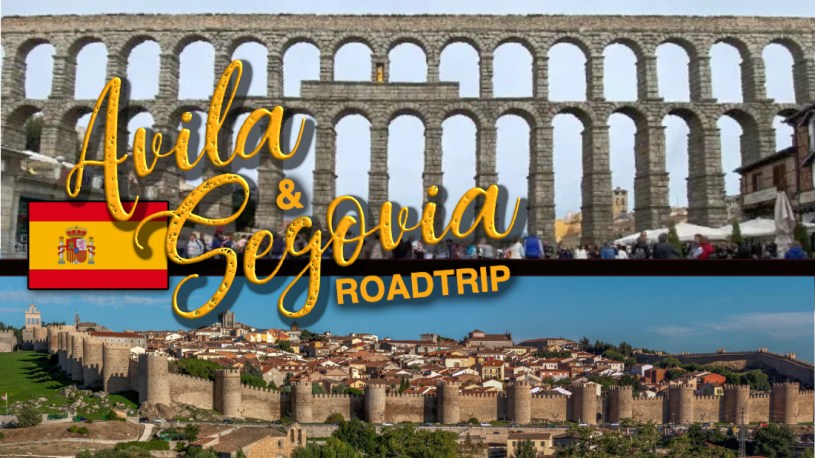
We visited the 2 UNESCO historic cities of Avila and Sergovia
LOCATION
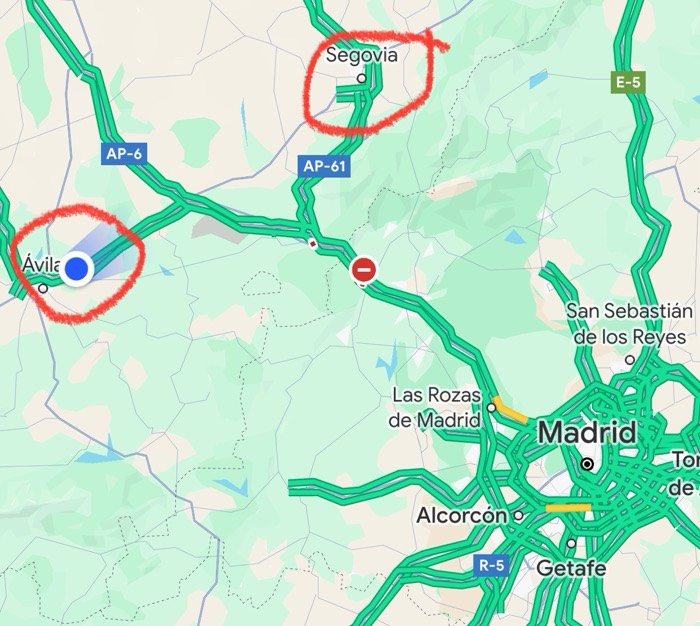
Easy daytrip out from Madrid
The 2 cities located near to Madrid
AVILA
Located in Castille & Leon, and known as the city of Saints and Stones, and the highest city of Spain
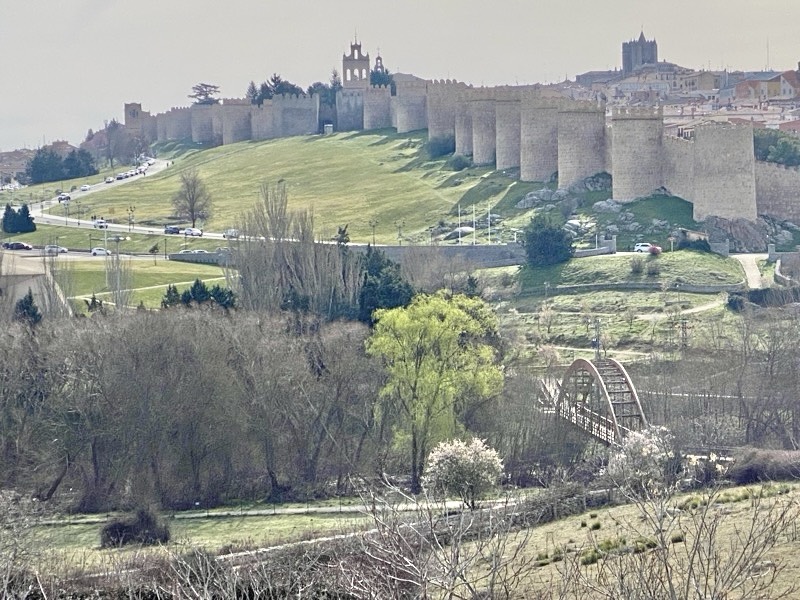
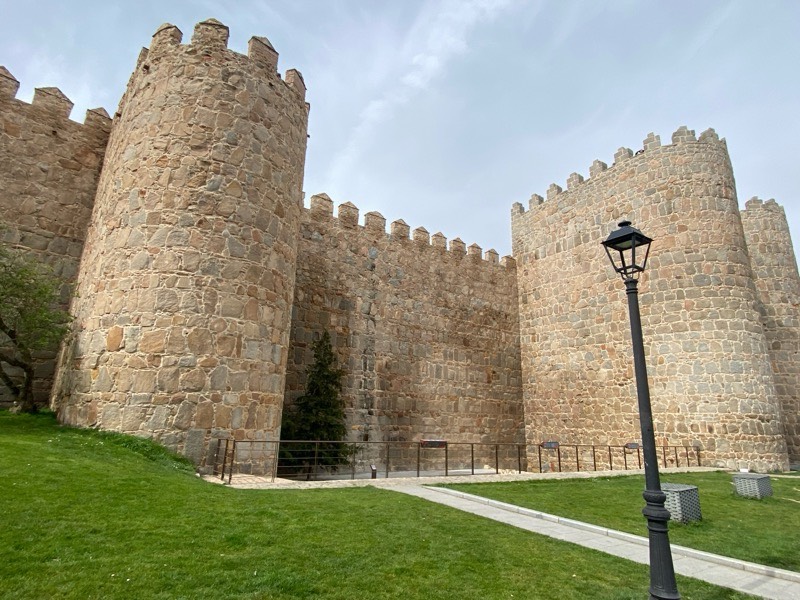
60,000 people live in Avila & its UNESCO heritage since 1986 because of the walls which are the best preserved in the country – 1090 construction
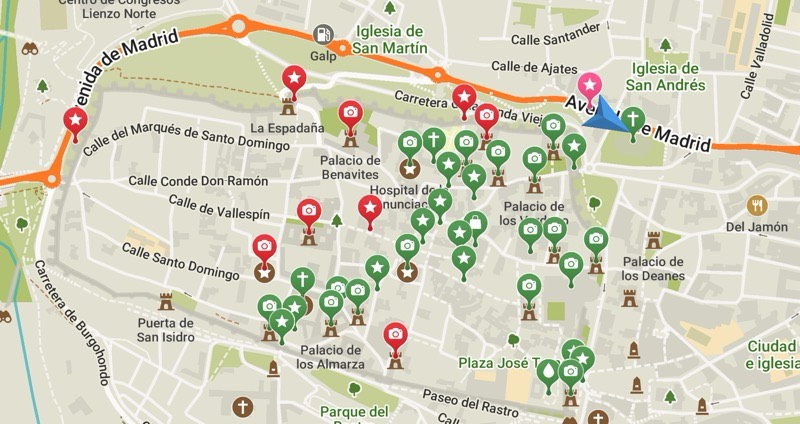
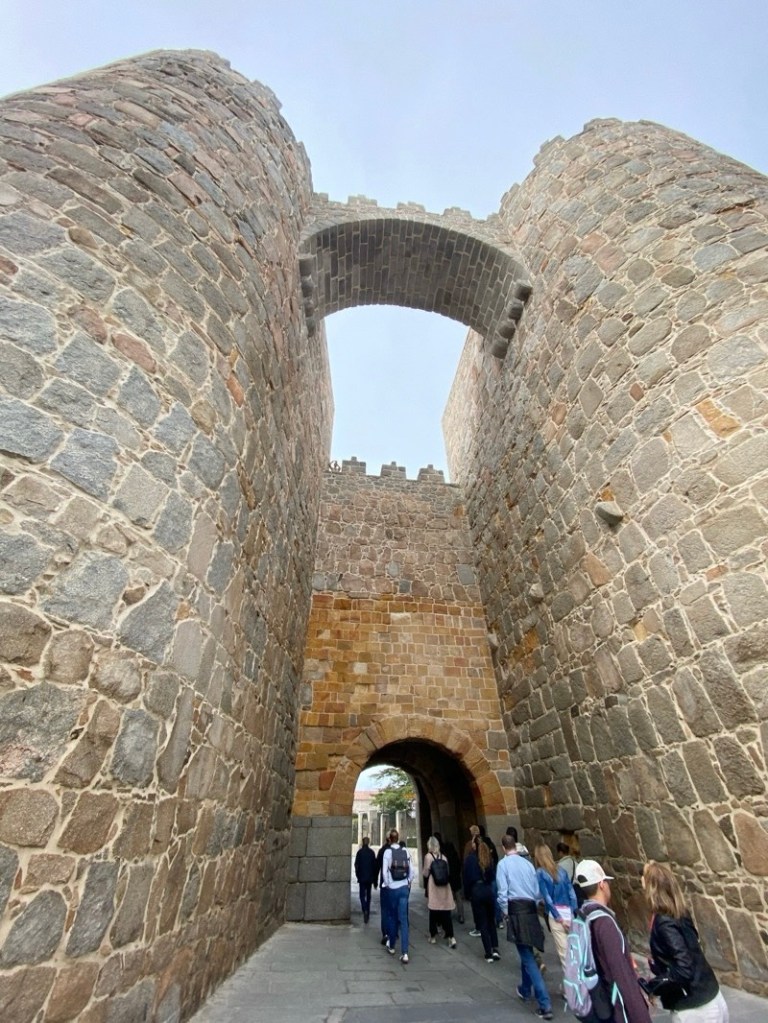
Walled around the perimeter of 2516m with 87 semi circular towers with average thickness of 3m and with access via 9 gates into the city – said to date back to 1090 and most of it rebuilt in 12th cAVILA CITY MAP
The city has beautiful Romanesque architecture
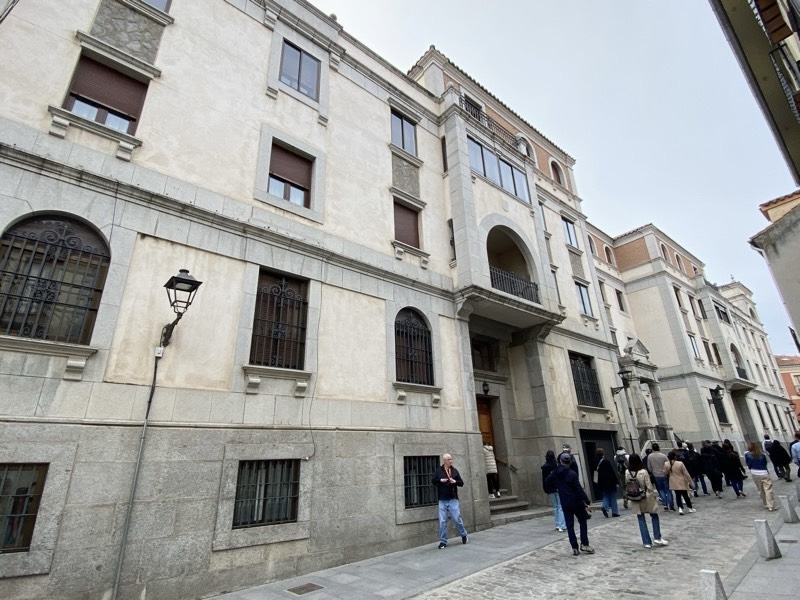
They are trying to bring more people into the city to populate so turning these palaces into corporations or businesses
There are many well preserved medieval castles in this region, we were told 237
In Avila, the local markets are disappearing due to shopping centres and huge supermarkets and there are so many people demonstrating about this and how local foods are not being able to be sold, but who listens to the people right?!
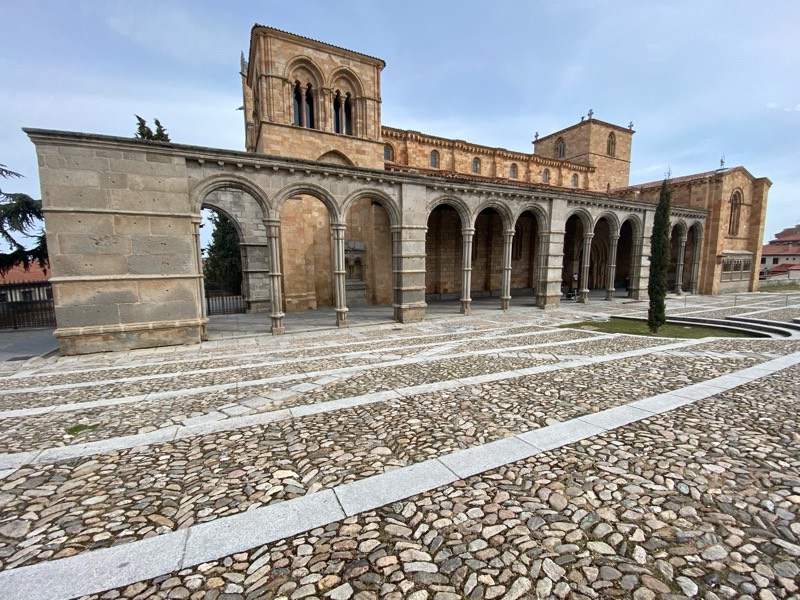
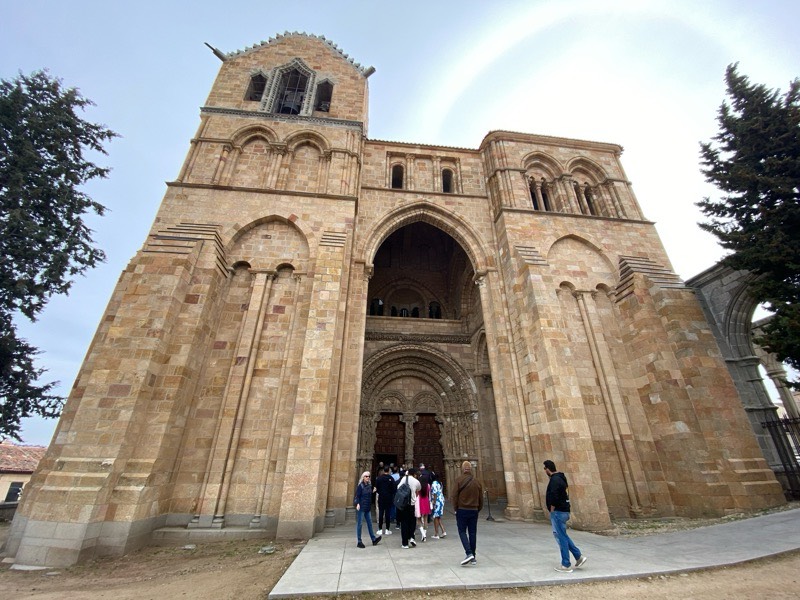
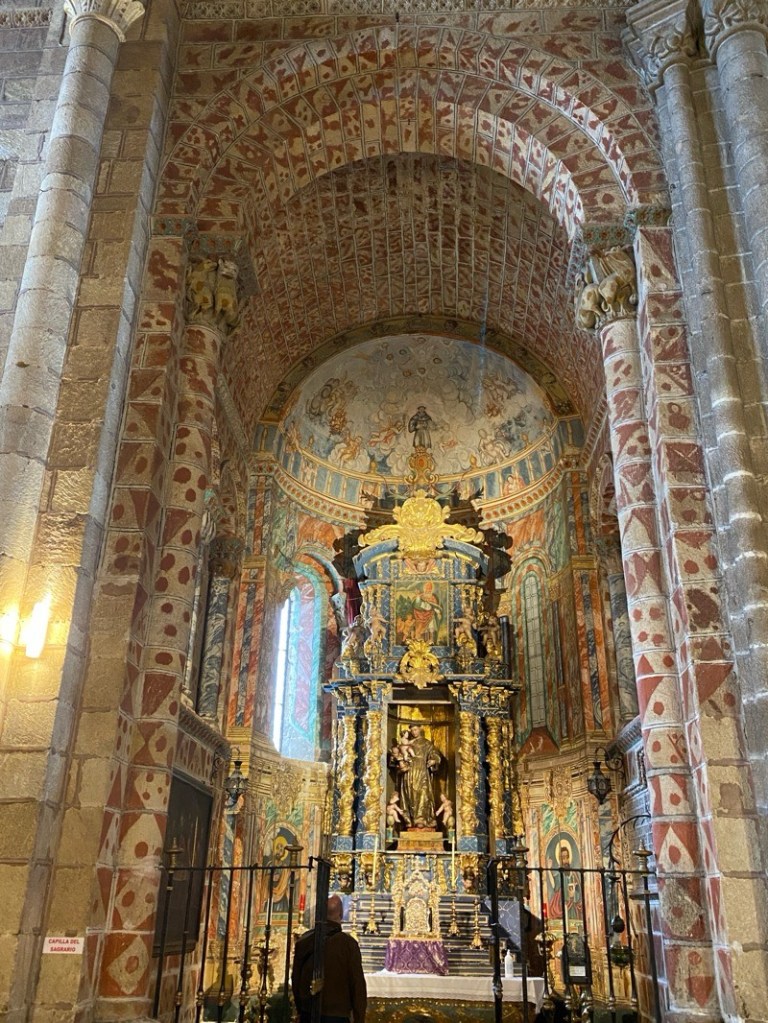
The interesting Basílica de los Santos Hermanos Mártires, Vicente, Sabina y Cristeta
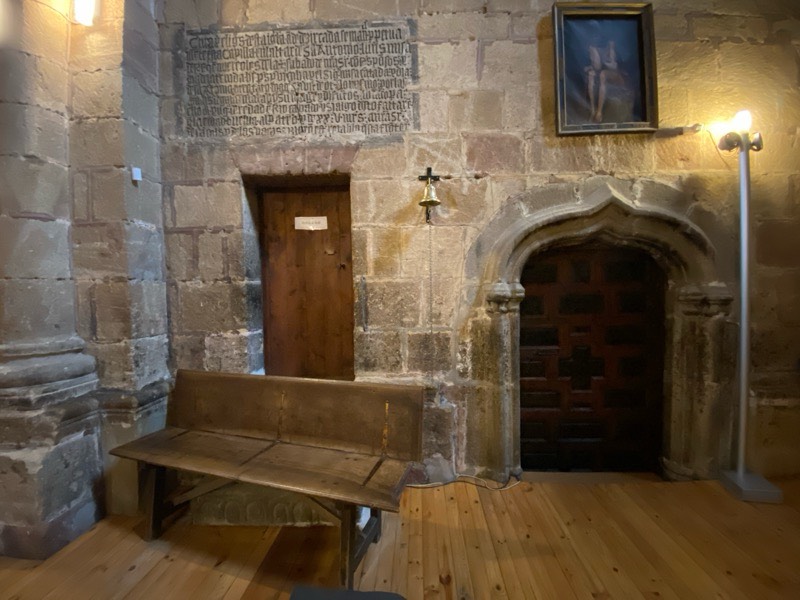
Known as Basílica de San Vicente, and is one of the best examples of Romanesque architecture in the country!
9th C. Romanesque style building – the churches aren’t built high because they weren’t sure how to build the vaulted ceilings compared to the Gothic styles
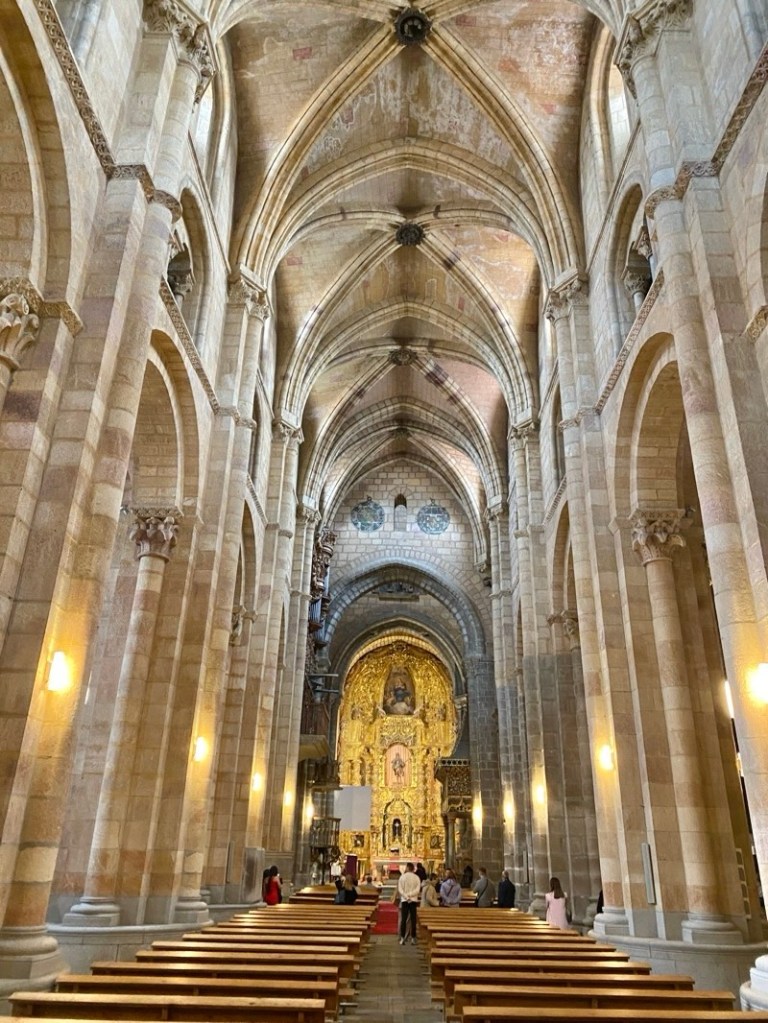
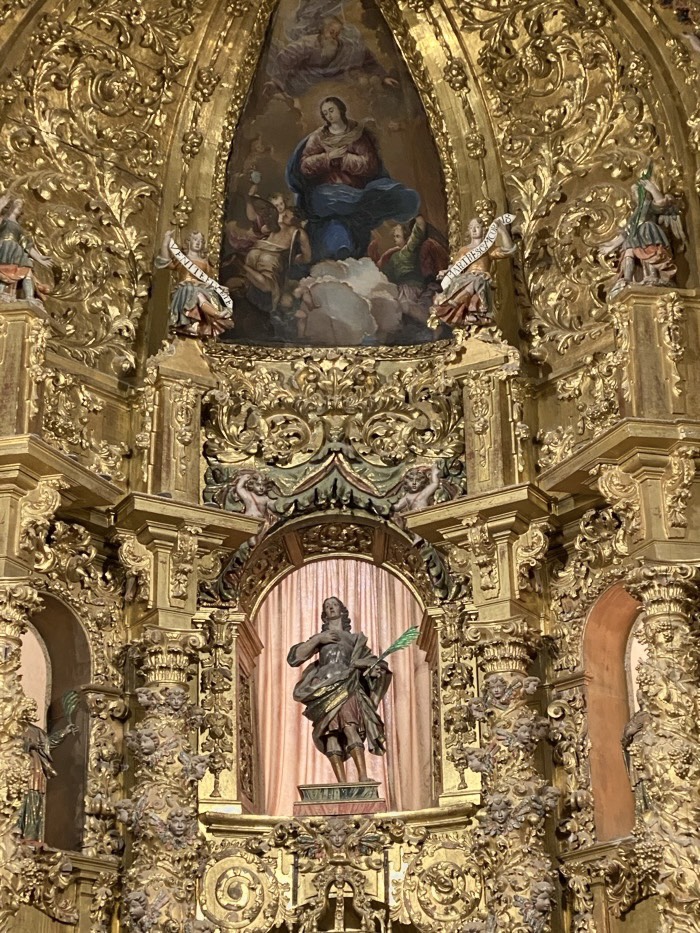
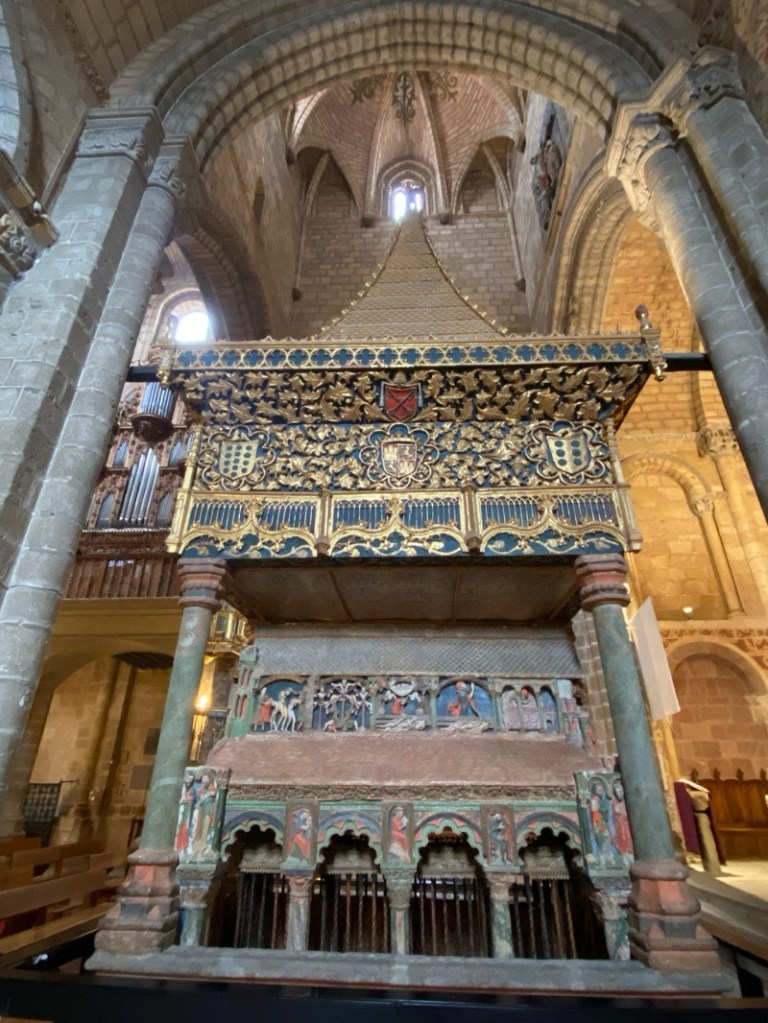
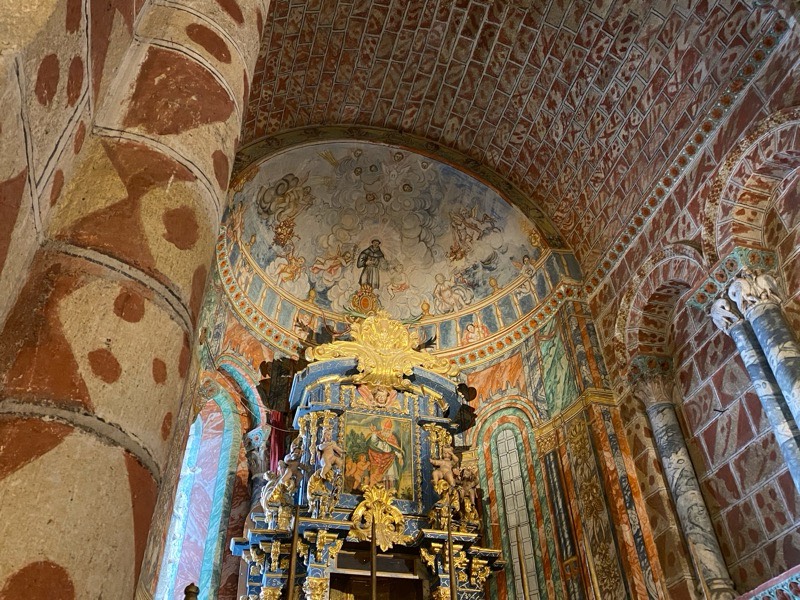
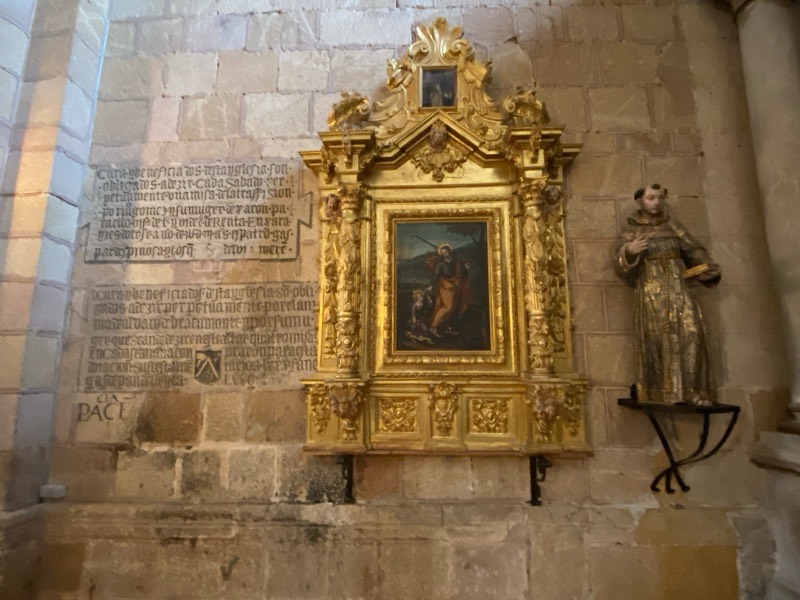
The interior is a latin cross design and a beautiful central nave with 2 side aisles – the gold stands out THE CENOTAPH – this is the 12th c romanesque tomb of the 3 martyrsThere are different little colourful and quaint chapels around the church This artefact is dedicated to St Vincent – Romanesque burial chamber but no body is buried here inside
This is a Romanesque period art at the bottom and at the top is renaissance period (16th C.) Spain was a huge empire back then
The inside around the church was a mix of romanesque and some gothic elements
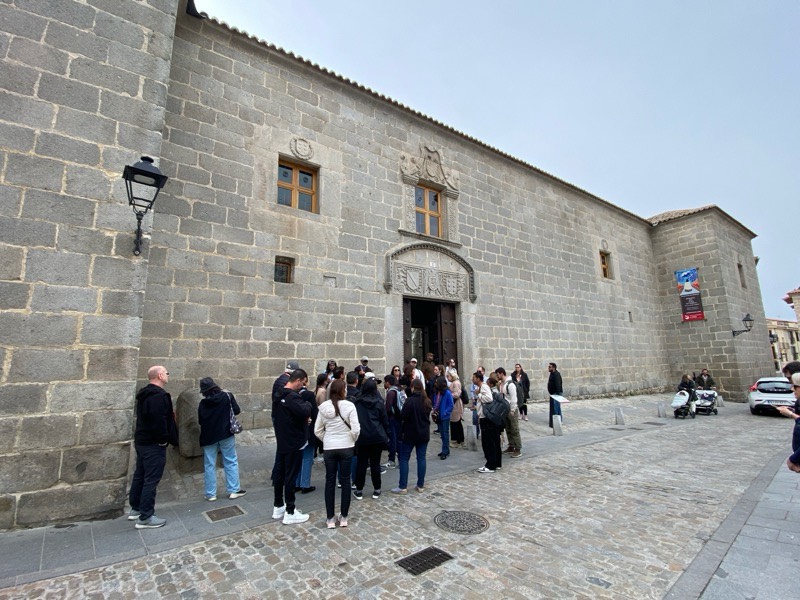
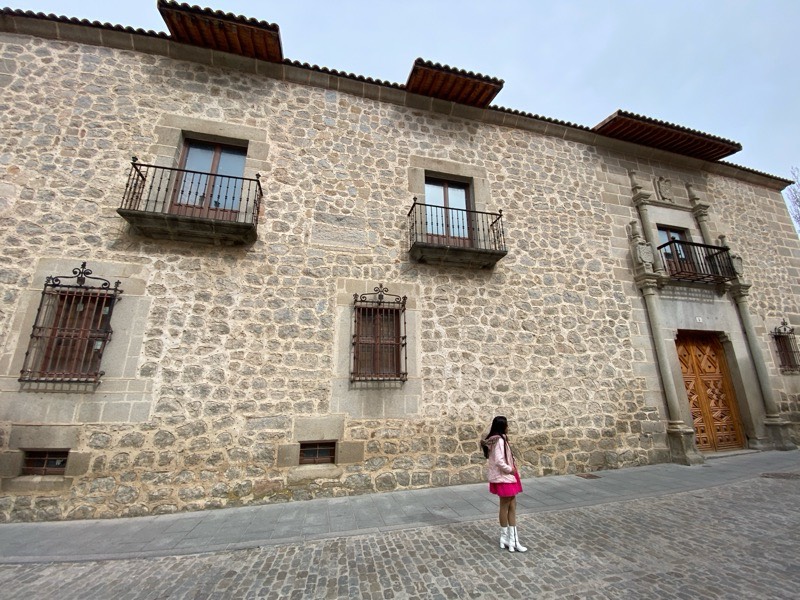
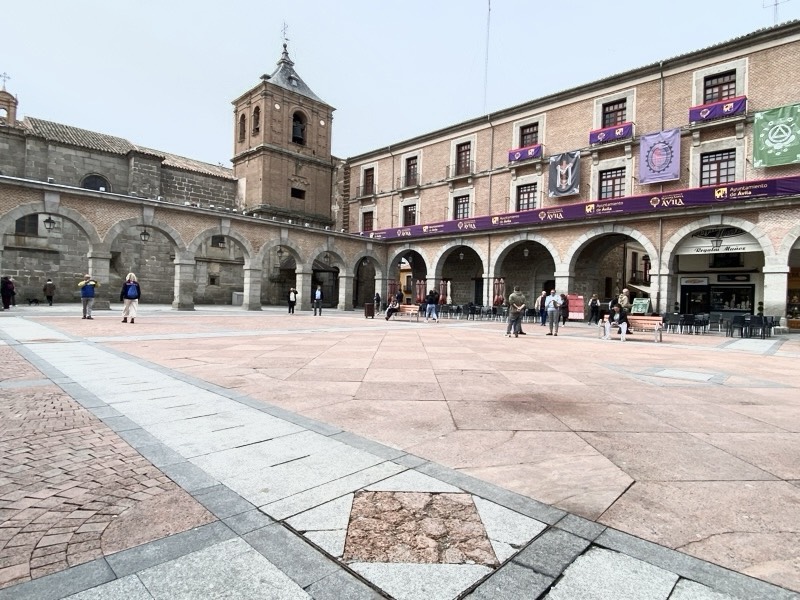
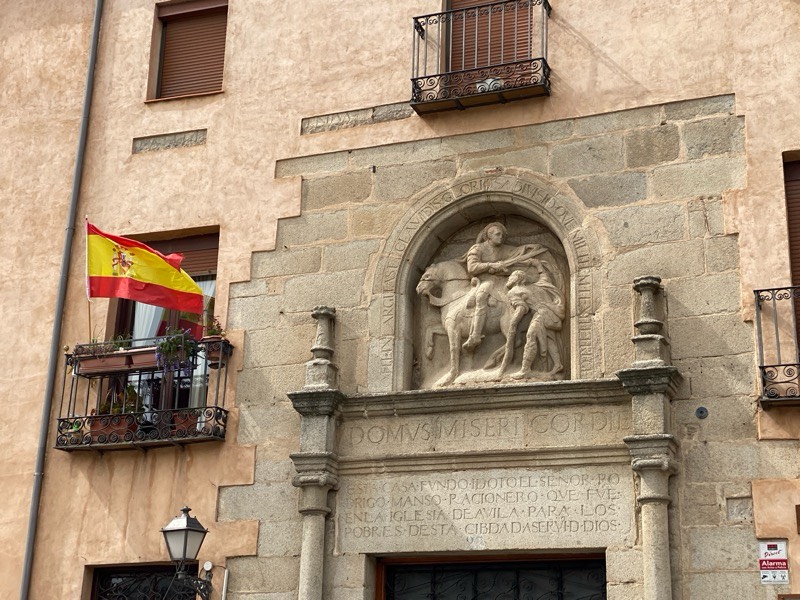
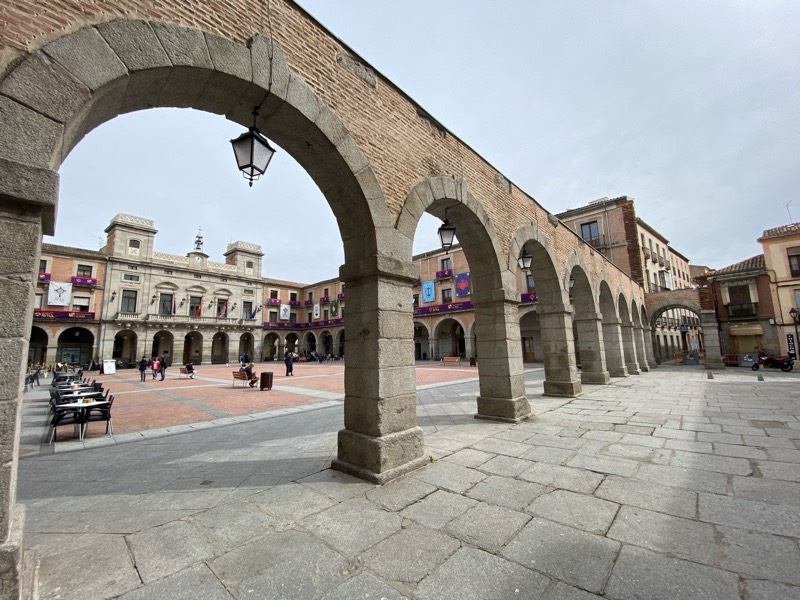
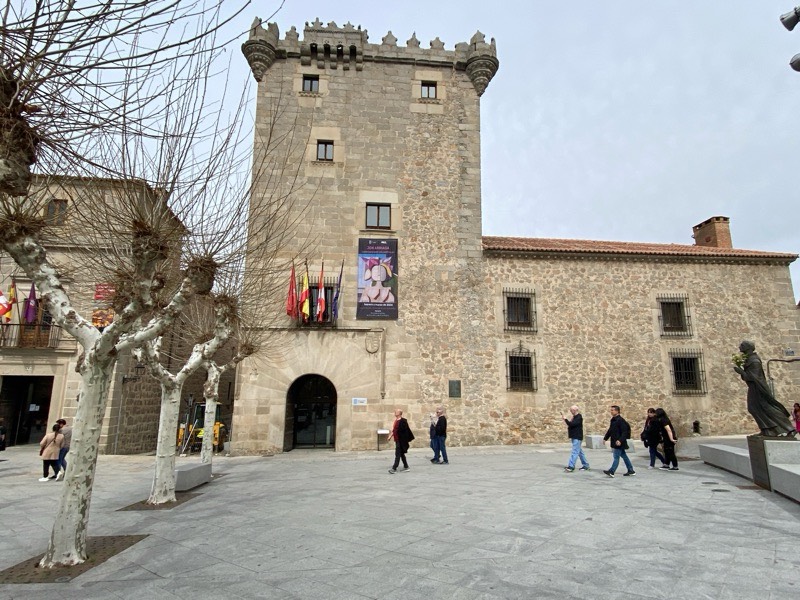
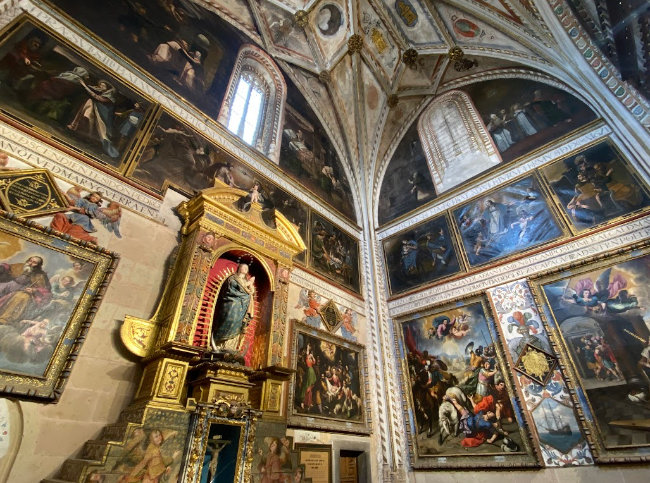
Artwork in the chapels and around depict biblical scenes and the martyrdom of the Saints San Vincent city gate – A really well preserved medieval gate made out of local granite and iron grey stone and forms part of the main defensive romanesque fortification and is 20m highPalace de los Verdugo – a private palace built at end of 15th c. with its renaissance gatePalacio de los Águila – House of the Aguilas is a 16-17th c fortified Palace with a beautiful unique featuresPlaza Mayor – A beautiful old plaza which was the central hub and markets of this city Some of the details around the plaza The Avila city hall in Plaza Mayor in Spanish Isabelline style
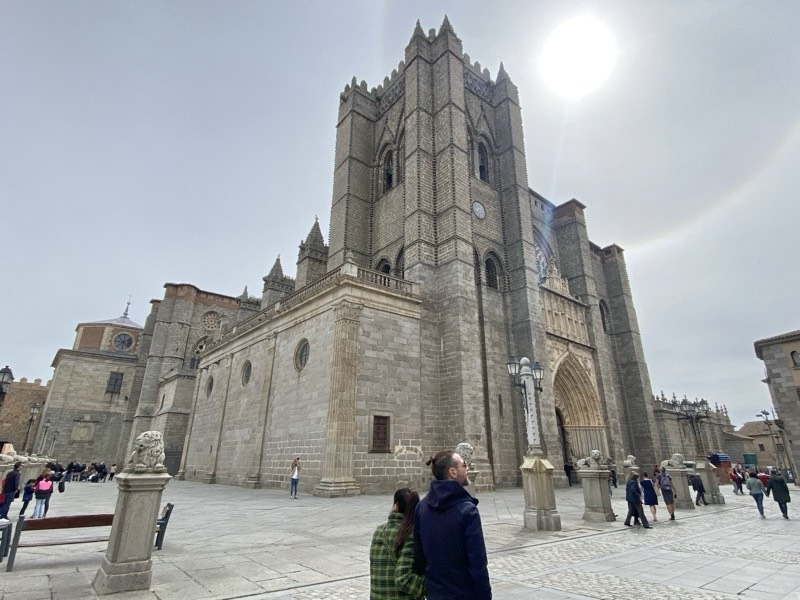
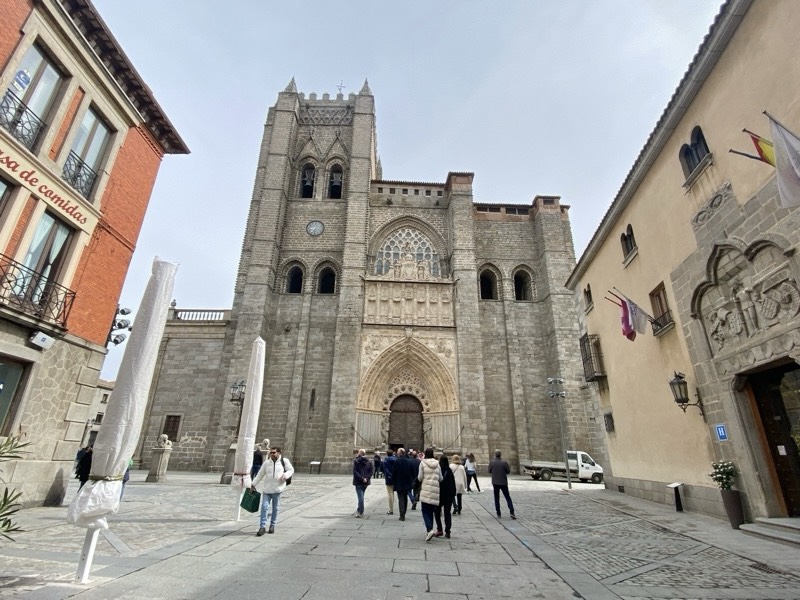
AVILA CATHEDRAL
First Gothic fortress cathedral and used as protection of the city
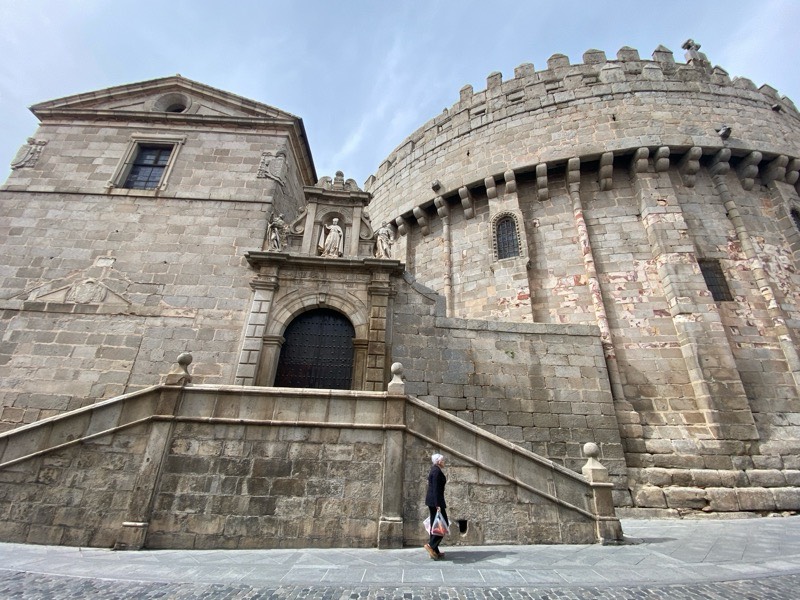
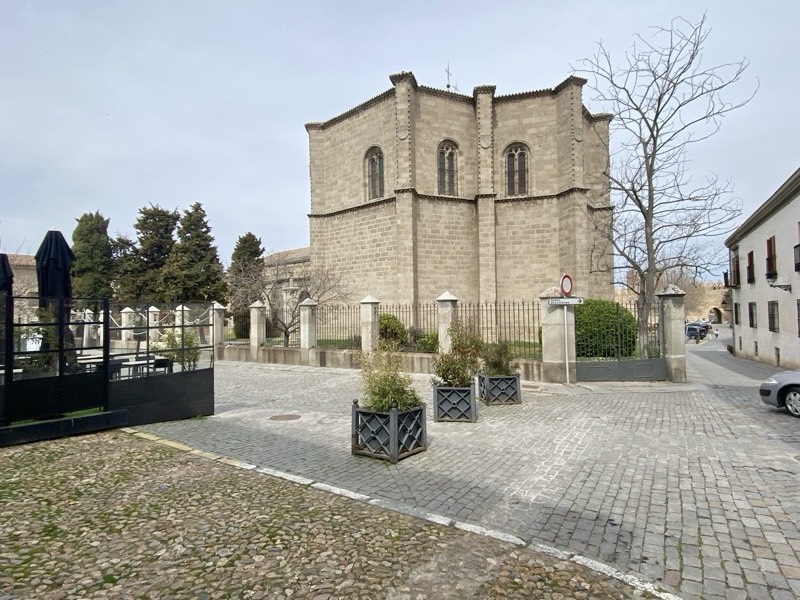
The apse of the Cathedral is integrated directly into the city walls
Its such a beautiful looking regal building which stands out in the small town centre
It was also a fortress for the town, hence the more straight Edges and more imposing type of building
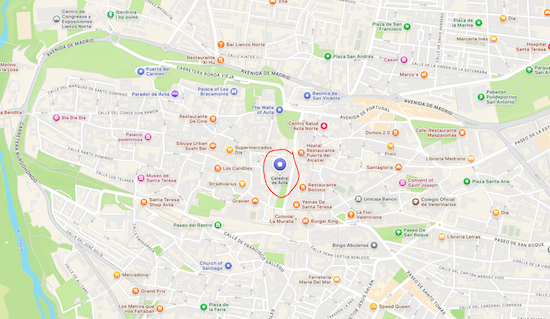
Location of the Cathedral in the old town centreThey say that its built in “Burgundian” style
I had limited time to walk around Avila, but I quickly strolled through and caught as much of this medieval old town as possible
There is a mix of Renaissance, Romanesque and Gothic architecture spread out around the town
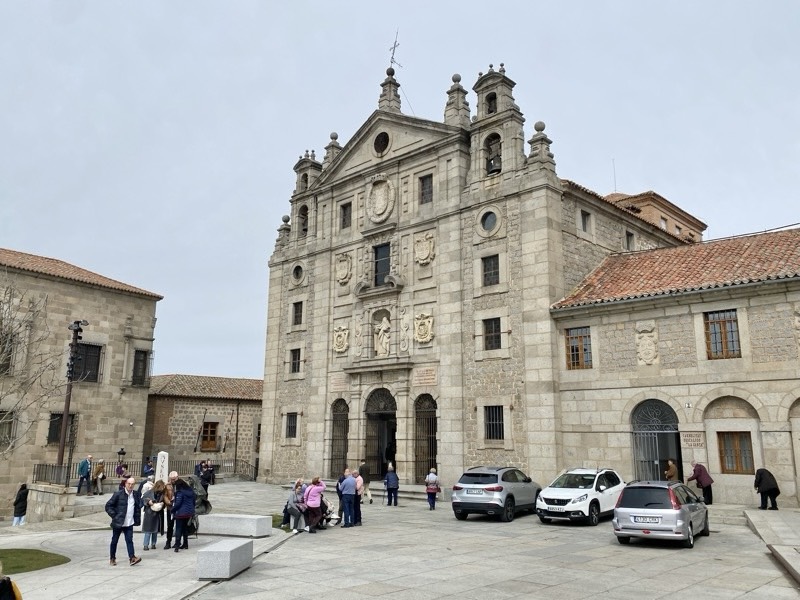
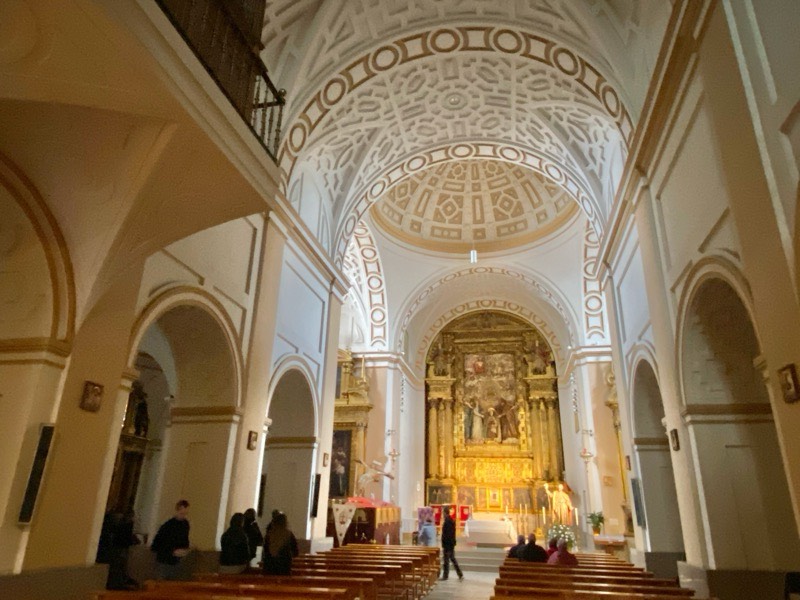
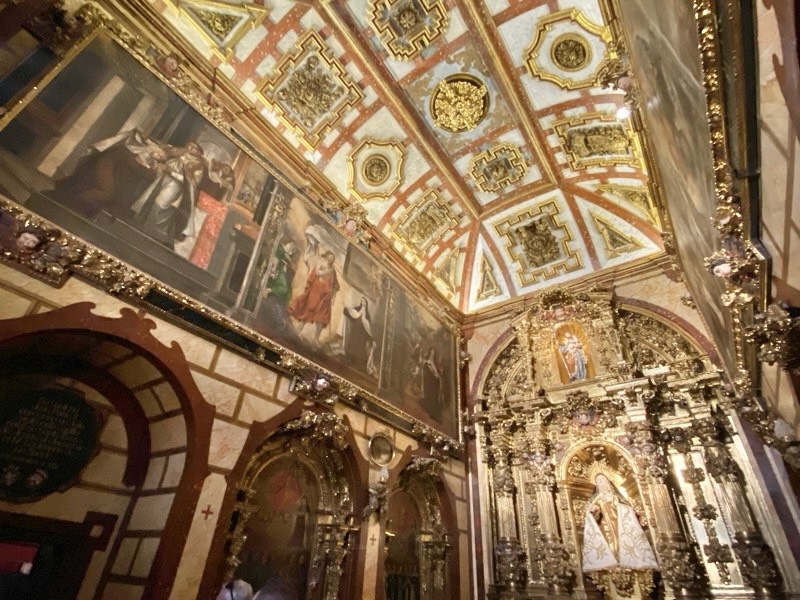
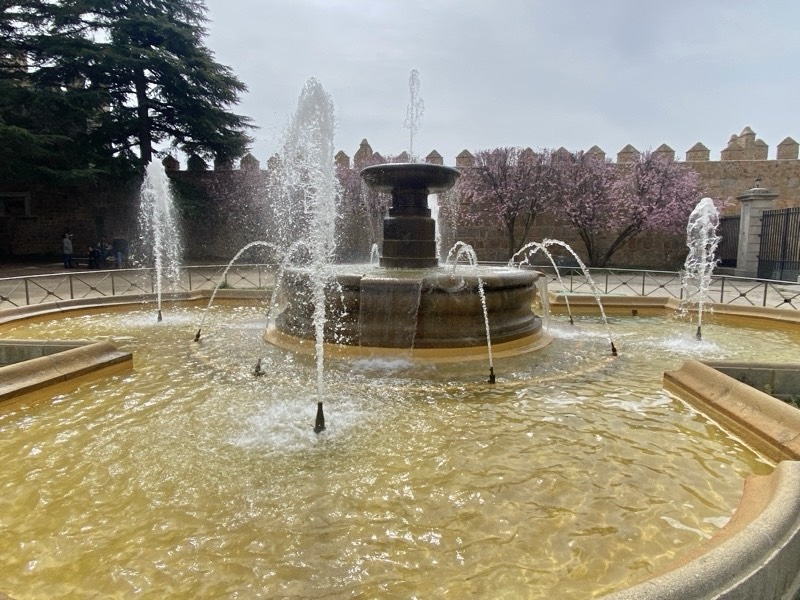
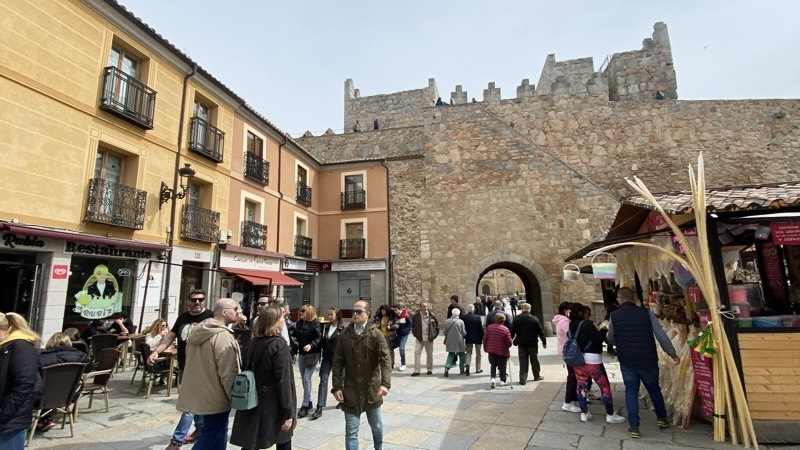
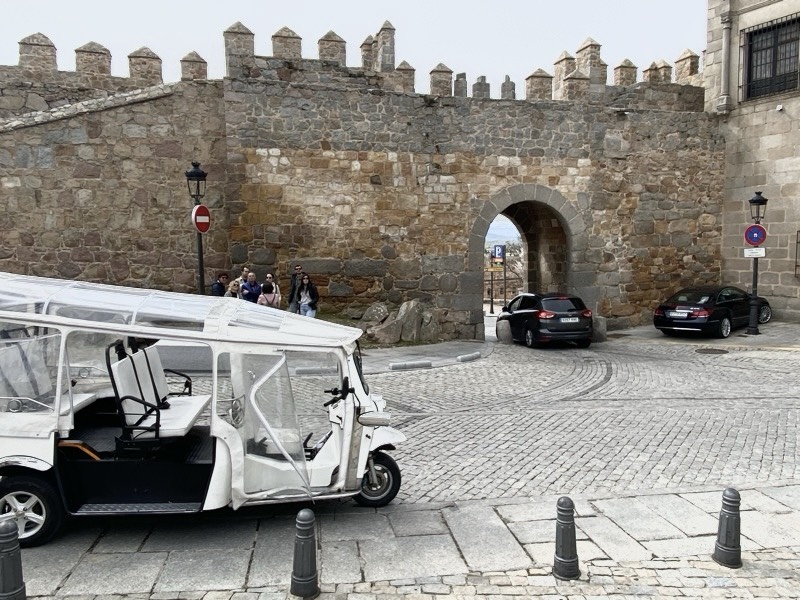
Iglesia-convento de Santa Teresa – This church is the birthplace of Saint Teresa of AvilaThe Baroque altar laced in gold with its beautiful intricate domeThis site is known for being a pilgrimage sitePlaza Adolfo Suarez Fountain with the Medieval Walls of Avila behind it One of the busy gates of the old town – so much going on with many tourists wandering around The medieval architecture of Avila Cathedral – this part was incorporated into the ancient defensive walls PALACIO DE LOS Almaraz – a Renaissance style building with some gothic and medieval elementsChapel of Mosén Rubí – A gothic and renaissance styles – this interesting building has this central cenotaph The UNESCO medieval fortifications – the walls stretch for around 3km and encircles the old town
One of the main gates into the old city
I really enjoyed my time sprinting around this town – I could have spent the whole weekend here!
SERGOVIA
Segovia’s story is one of Romans, Moors, Jews, and Christians living, trading, and building in harmony.
This rich tapestry of cultural influences makes the city a fascinating place to explore and admire!
At the heart of Segovia’s historical narrative is its iconic Roman Aqueduct, a marvel of ancient engineering that has defied time and elements. Beyond this ancient wonder, the city unfolds into a labyrinth of winding streets, each leading to its own discovery, from the grandeur of the Gothic Cathedral to the fairy-tale splendor of the Alcázar.
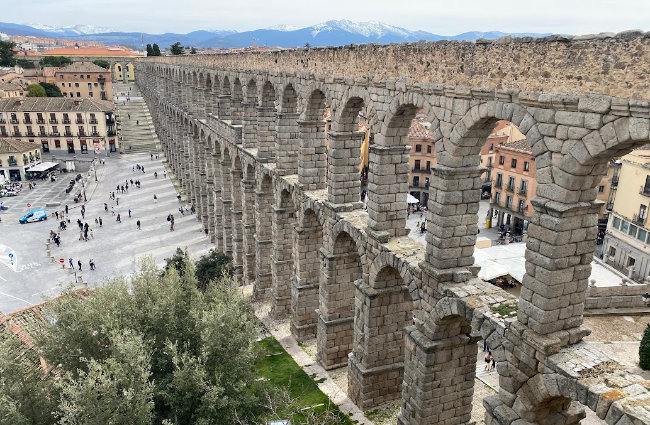
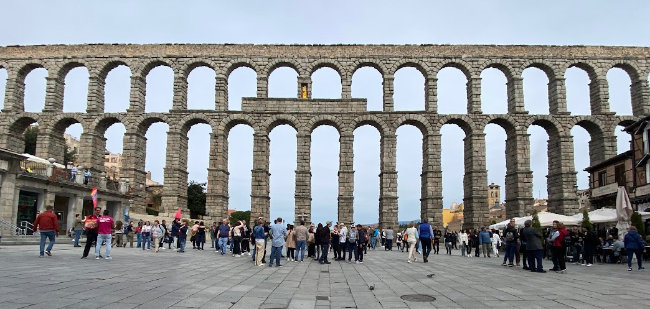
The famous Sergovia Acquaduct – one of the best preserved Roman acqueduct bridges in the world! CHECK THIS OUT!! 170 arches… 28m high! how amazing is this!? I always question HOW these were built by those back then and still stands to this day – I love exploring places like this!
The water is transported from the Rio Frio springs 17km away
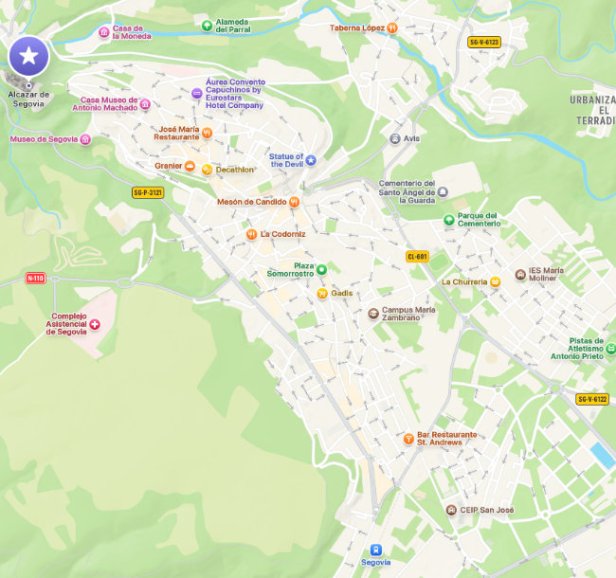
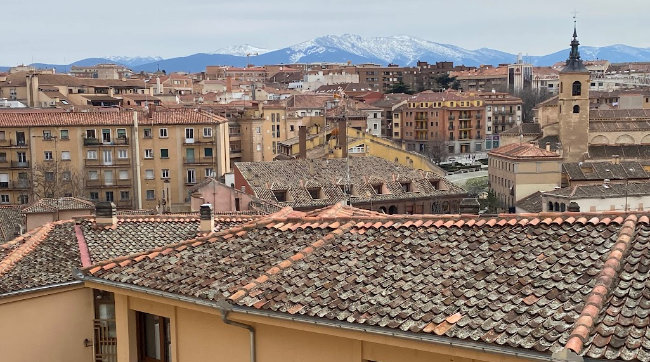
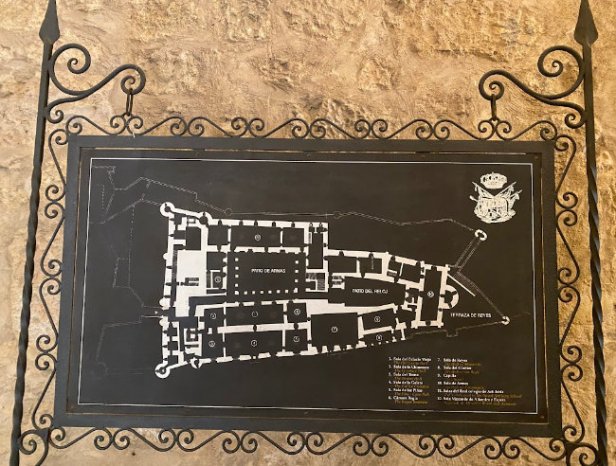
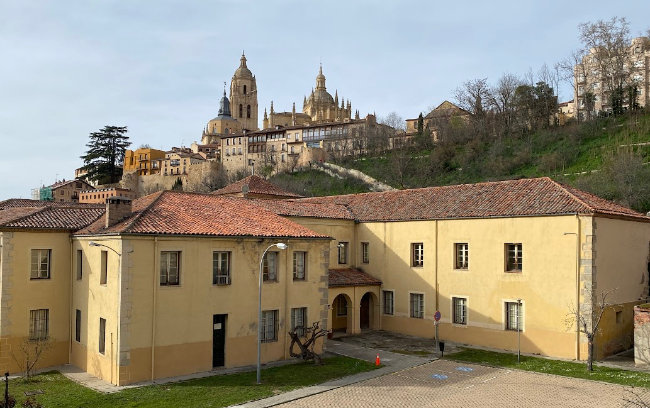
SEGOVIA CITY MAPThe view over the mountains is beautiful from the old town overlooking the Spanish buildings below
SERGOVIA CASTLE
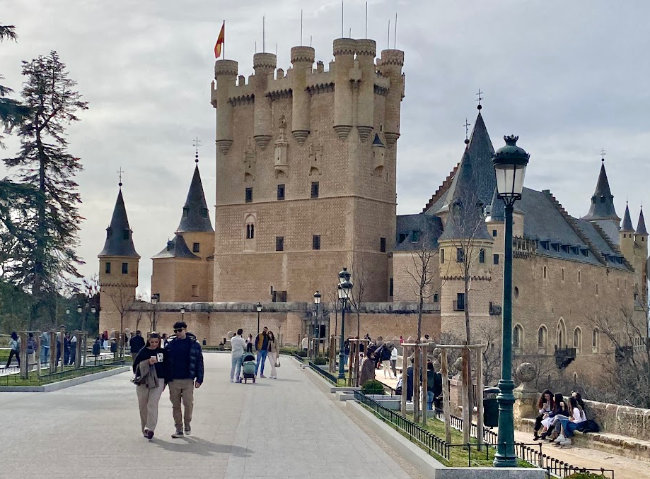
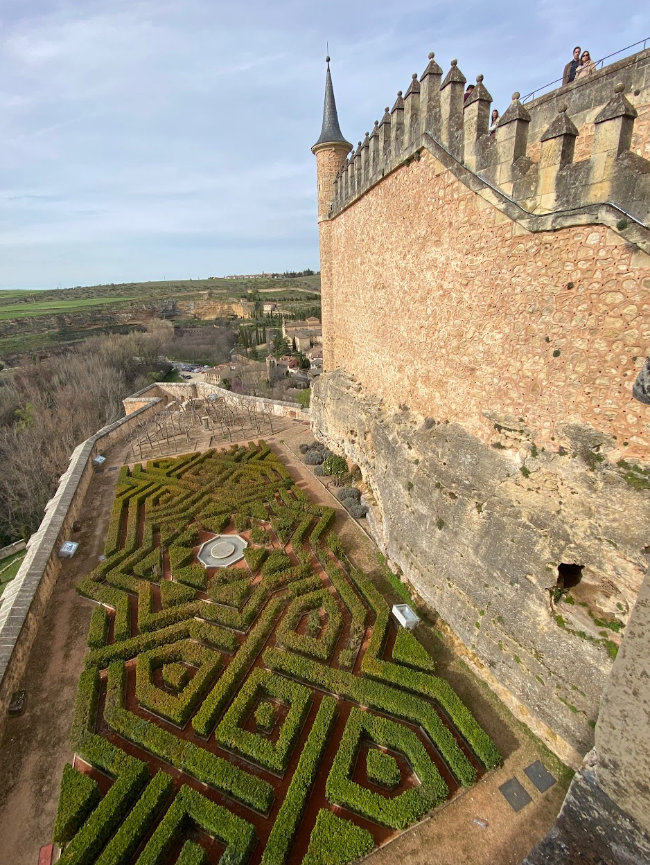
Look at the interesting style of this castle! said to have been built originally as an Arab fort and has been home to royalty, prisoners and soldiers in its very long history, now a museum and military archive
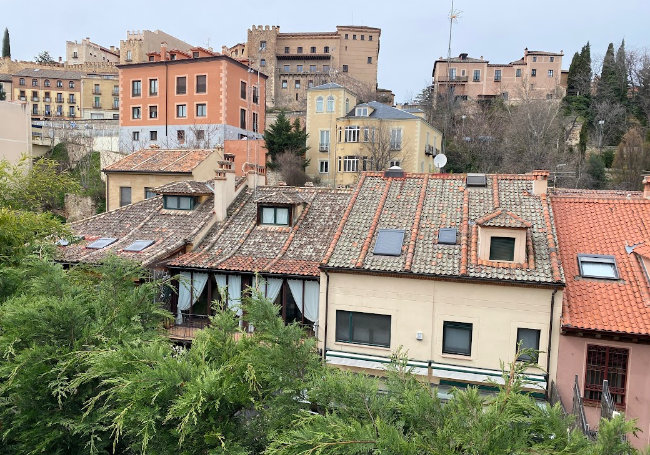
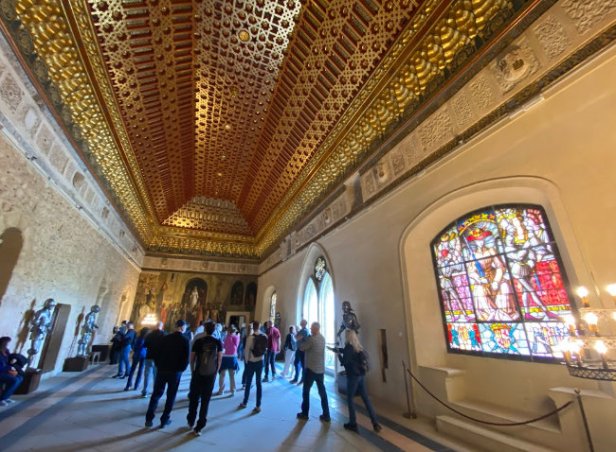
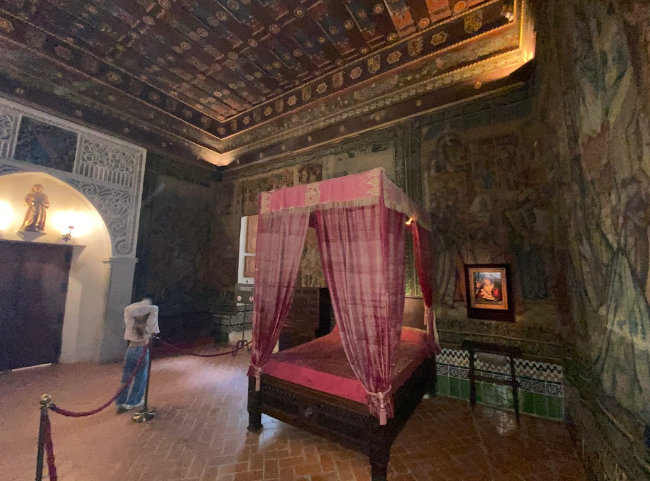
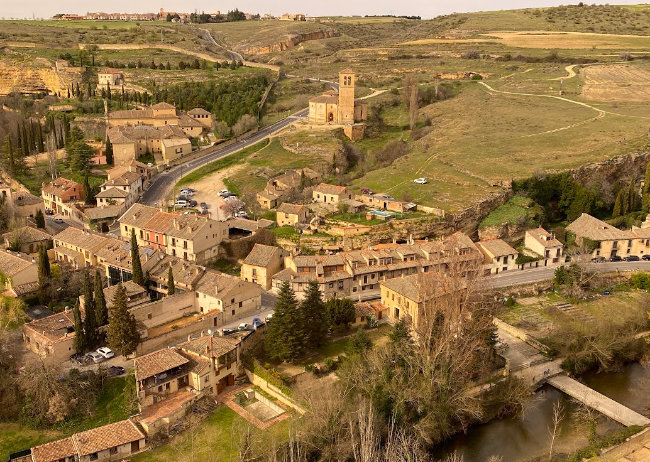
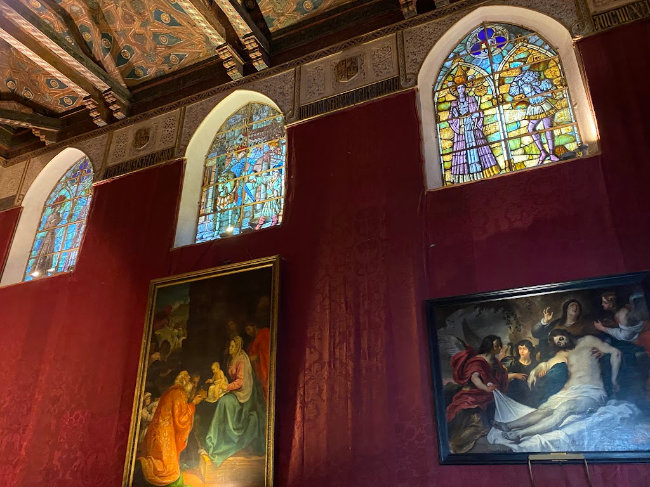
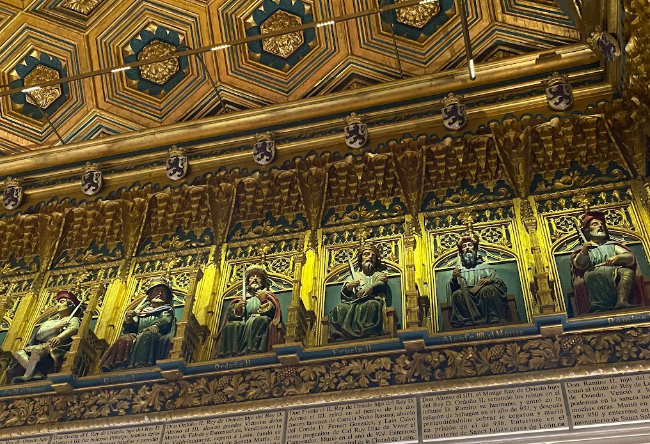
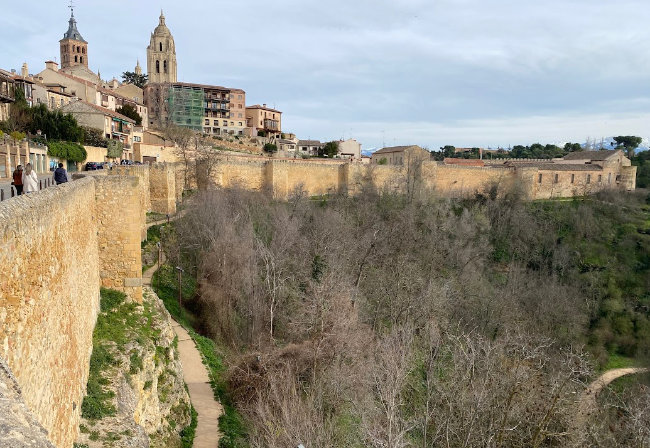
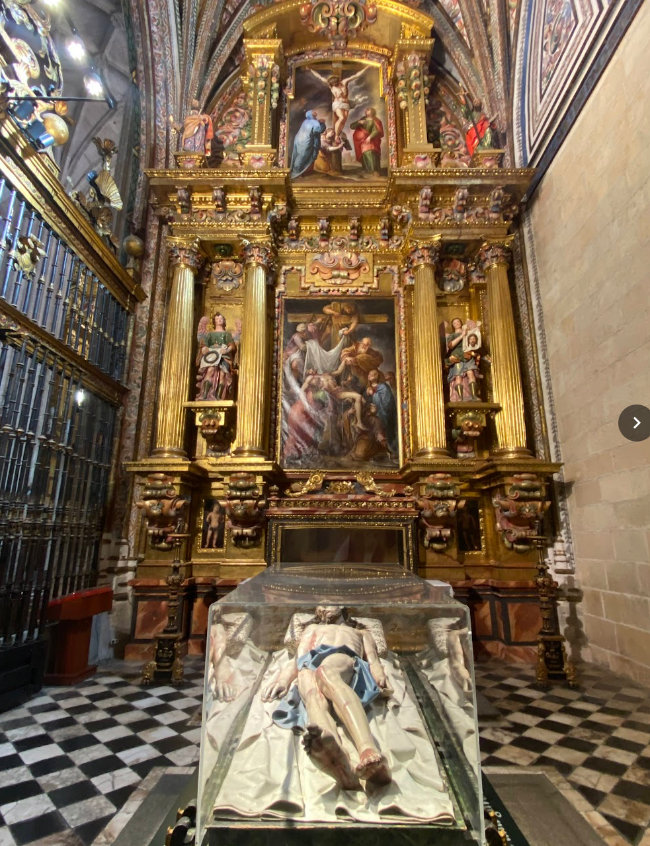
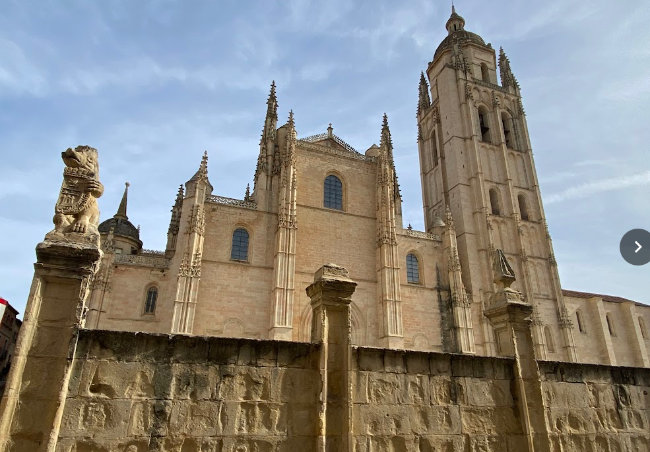
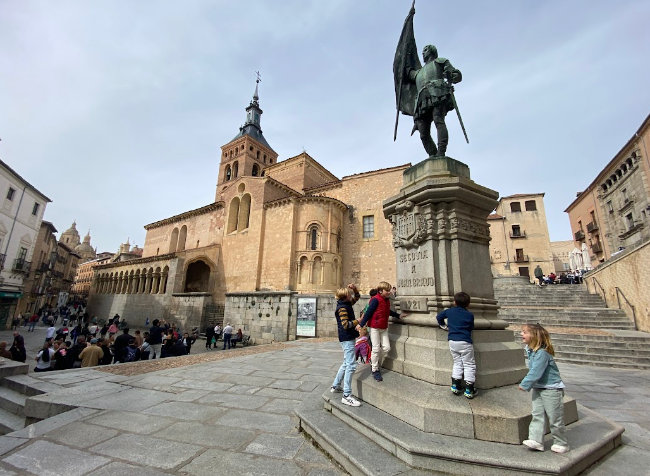
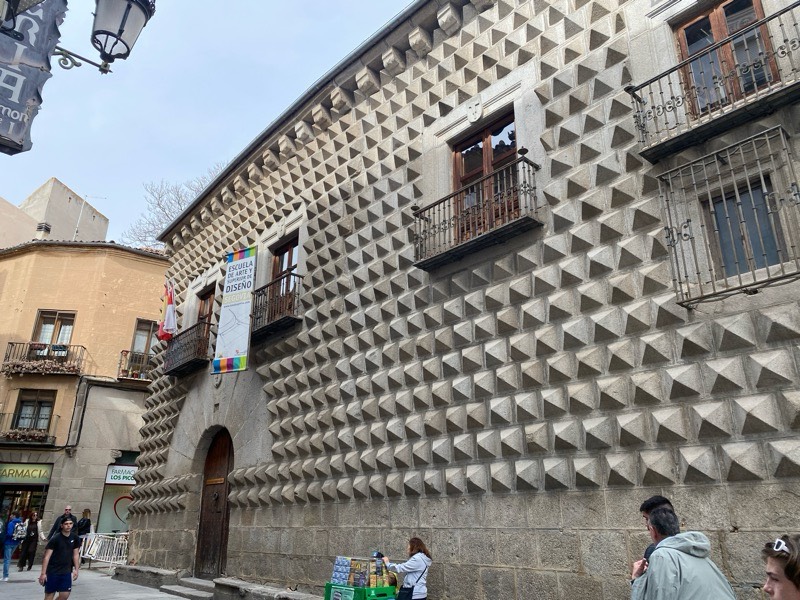
Sergovia Alcazar is the most important castle in the country! The castle is built like the bow of a ship over the edge of a rock promontory – its a rather unique castle that ive exploredMy favourite part was the “bow” of the castle which overlooks the valley and as you look down you see a sculpted garden with a fountain in the middle – feels like youre in a movie!Its architecture is a blend of Gothic and Mudéjar styles – gold ceilings in intricate Mudejar architectureOne of the bedrooms in the castleThe surrounding landscape is beautiful with a small town just outside the walls, all built in similar architecture and colours – would love to go down there and explore one day!Look at the unique artwork and detailed modelling on the walls The ancient walls that encircle Segovia’s historic center date back to the 11th century, serving as a fortress to protect the city. Stretching over 3 kilometers, these walls are punctuated by gates and towers, offering a glimpse into the medieval defenses that once made Segovia a formidable stronghold. Walking along these walls provides a unique perspective of the city and its history.The church inside the Cathedralinside the CathedralPlaza Medina del Campo Sergovia School of Art & design – This building is so cool! famous for its unique facade of 617 granite pyramid shaped blocks making our way up to Sergovia old town – I couldn’t wait to explore
I loved this day trip from Madrid, I got to see 2 absolutely amazing towns and explore the unique architecture and narrow streets and take all the old world energy in
Peak season is April to October, but if you like winter wonderlands, this place would look beautiful covered in snow!!


 The Wandering Passport